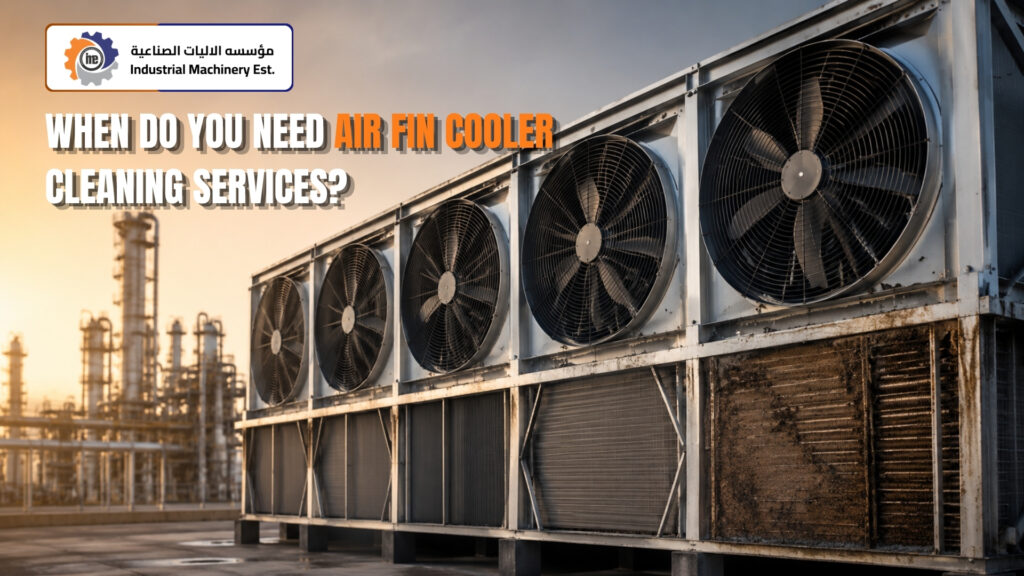
Dust, pollen, and oily residue build up on cooler fins faster than most plant teams expect, and the first sign is usually a spike in outlet temperature that nobody can explain. By the time vibration or fan strain shows up, the unit is already losing efficiency.
Book air fin cooler cleaning services as soon as you notice reduced airflow, rising process temperatures, or higher energy draw. Keep reading for the full list of warning signs and cleaning options.
Why Air Fin Cooler Cleaning Matters
Air fin coolers rely on clean, unobstructed fin surfaces to transfer heat from process fluid to ambient air. When dust, insects, or hydrocarbon residue coat the fins, airflow drops and the unit works harder to hit the same cooling target. Regular air fin cooler cleaning keeps thermal performance steady and protects fins from long-term fouling damage.
Skipping air fin cooler cleaning services does not just reduce efficiency. It also raises fan motor load, increases energy consumption, and shortens the service life of the entire cooler assembly.
Signs You Need Air Fin Cooler Cleaning Services
Most plants wait too long because early fouling is hard to spot from the ground. Watch for these indicators instead:
- Rising outlet temperature even though ambient conditions have not changed
- Reduced airflow across the fin bundle, often noticed as weaker fan draft
- Higher energy bills as fans and motors compensate for blocked airflow
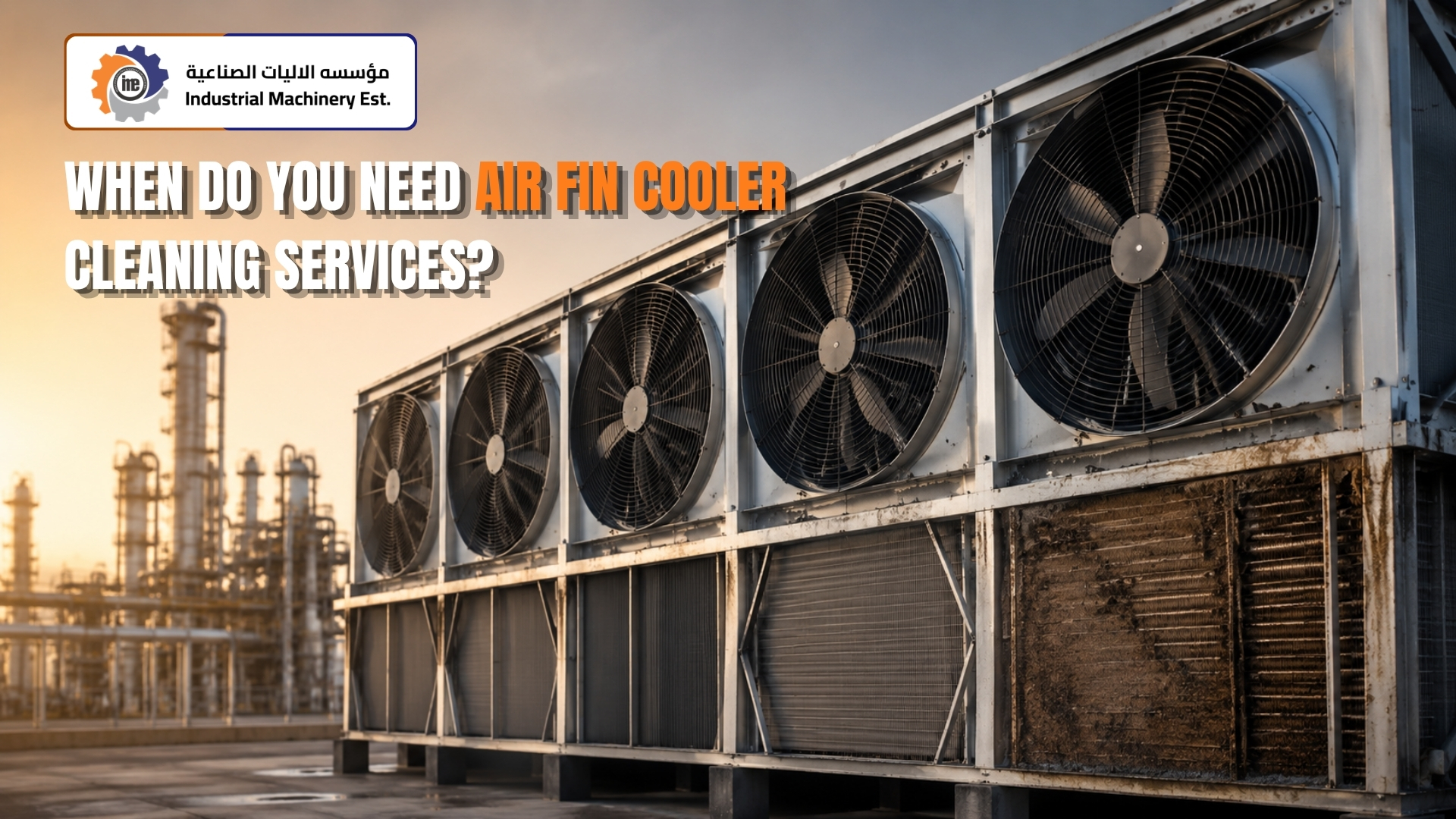
- Visible dirt, oil film, or debris on the fin surface during inspection
- Increased vibration or noise from fans working against restricted airflow
- Frequent high-temperature alarms on process fluid outlet readings
If two or more of these show up together, it is time to book air fin cooler cleaning services rather than waiting for a full shutdown.
Seasonal and Operational Triggers
Fouling does not happen at a steady rate all year. Dust storms, pollen season, and nearby construction work all accelerate buildup on exposed fin surfaces. Plants in industrial zones with heavy particulate traffic usually need air fin cooler cleaning more often than facilities in cleaner environments.
Turnaround schedules are another natural trigger for air fin cooler cleaning services. Cleaning fin coolers just before a planned shutdown or right after one gives technicians open access and avoids disrupting live production. Many facilities also time air fin cooler cleaning around seasonal peaks, clearing accumulated debris before summer heat pushes cooling demand higher.
Also Read: How Many Heat Exchanger Corrosion Types Are There?
Cleaning Methods Worth Knowing
Not every fouling problem needs the same fix. Common air fin cooler cleaning approaches include:
- Dry brushing or vacuuming for light dust and surface debris
- Foam cleaning, which penetrates between fins without high water pressure
- Hydro-jetting, used for heavier, caked-on deposits
- Chemical cleaning, applied when oily or hydrocarbon residue resists water alone
Foam-based and low-pressure methods are generally preferred because high-pressure jetting can bend or damage thin fin surfaces if handled incorrectly. A qualified technician should assess fouling type before choosing an air fin cooler cleaning method.
What Happens If You Delay
Postponing air fin cooler cleaning services rarely saves money in practice. Fouled fins force fans to run harder, which increases electricity costs and mechanical wear. Left unchecked, restricted airflow can lead to under-deposit corrosion, reduced tube life, and eventually unplanned downtime during peak demand.
Routine air fin cooler cleaning is far less disruptive and far cheaper than emergency repairs triggered by an overheating unit mid-summer.
How Often Should Cleaning Happen
There is no single answer that fits every plant. Air fin cooler cleaning frequency depends on ambient dust levels, process fluid type, and how close the unit sits to other emission sources. As a general guide:
- Light-duty environments: once a year
- Moderate industrial exposure: every 6 to 9 months
- Heavy fouling zones or coastal sites: every 3 to 4 months
A short visual inspection every quarter helps confirm whether air fin cooler cleaning services are due sooner than the standard schedule suggests.
Final Thoughts
Clean fins mean steady cooling, lower energy costs, and fewer surprise shutdowns. Watching for temperature spikes, airflow loss, and visible fouling gives enough lead time to schedule air fin cooler cleaning services before performance drops further. A proactive air fin cooler cleaning plan, paired with the right method for your fouling type, keeps coolers running at design efficiency year-round.
Industrial Machinery Services Offer Complete Solutions like: