One small gas leak, one unnoticed chemical spill, or one worker without the right gear can shut down an entire unit within minutes. Petrochemical sites handle toxic, flammable and corrosive materials every day, and many incidents happen simply because basic protection was missing or poorly maintained.
The good news is that most of these risks can be controlled with the right safety essentials in place: proper PPE, reliable gas detection, spill response tools, emergency equipment and trained people. If you want a clear breakdown of each item and why it matters, read the complete article below.
Why Safety Essentials Matter in Petrochemical Plants
Petrochemical facilities deal with high pressure, high temperature, and chemicals that can burn, poison, or explode. A single failure can harm workers, damage assets, and stop production for days. This is why every site needs a clear list of safety essentials that are always available, always inspected, and always used correctly.
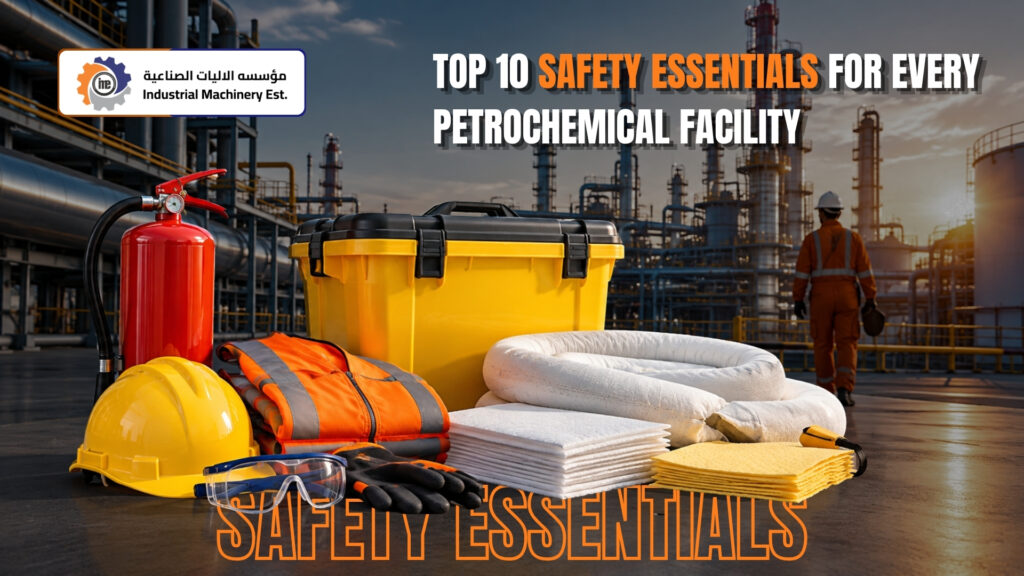
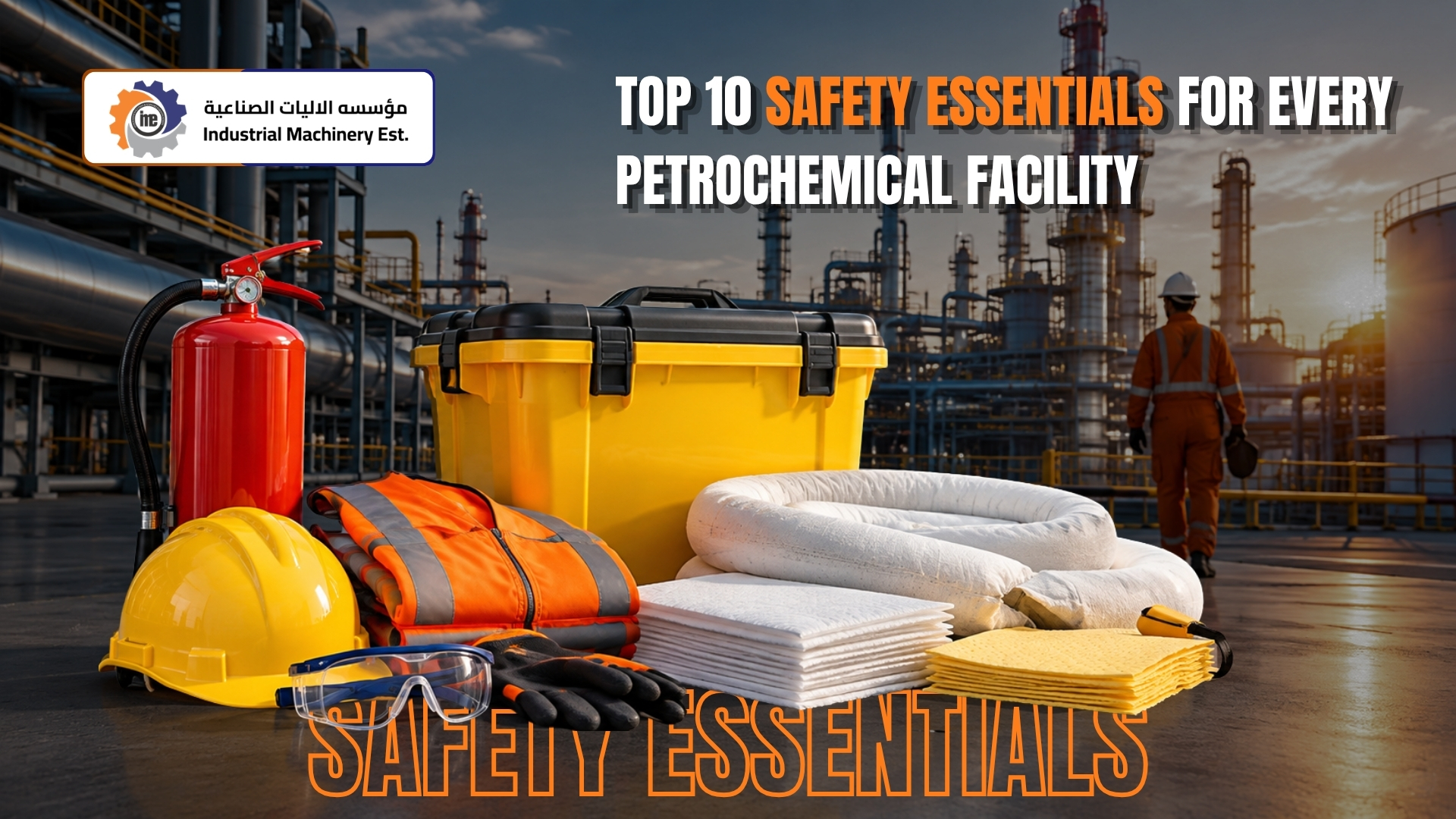
Top 10 Safety Essentials Checklist
1. Personal Protective Equipment (PPE)
PPE is the first line of defense for every worker on site. A standard kit should include:
- Hard hats and safety glasses or goggles
- Flame-resistant clothing (FRC)
- Chemical-resistant gloves and safety boots
- Hearing protection for noisy units
Inspect PPE before every use.
2. Gas Detectors
Toxic and flammable gases such as hydrogen sulfide (H2S) cannot always be seen or smelled. Portable and fixed gas detectors give early warning before levels become dangerous. Among all safety essentials, these are critical for confined spaces, tank areas, and leak-prone points. Bump test portable units daily and calibrate them on schedule.
3. Chemical Spill Kit
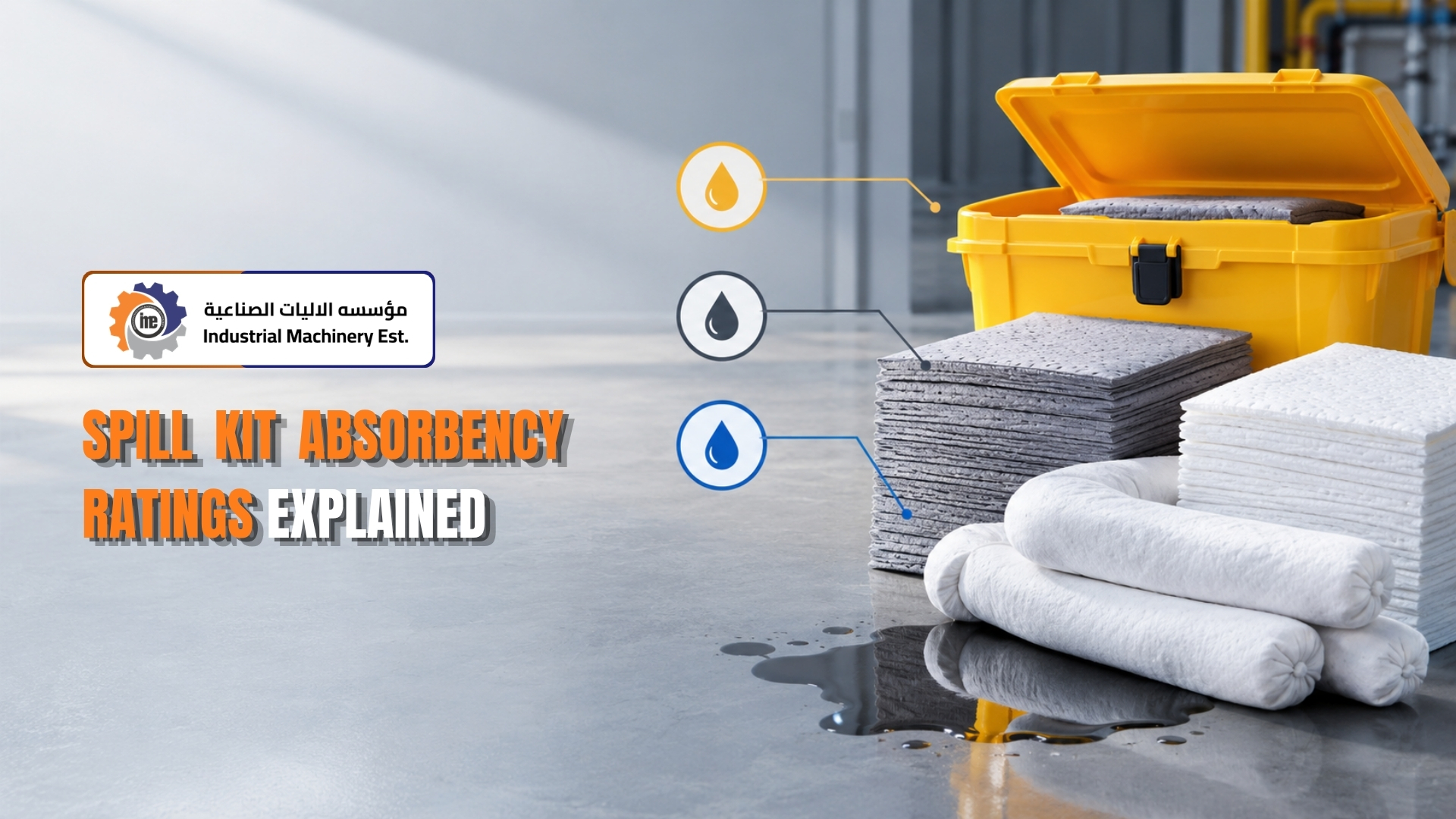
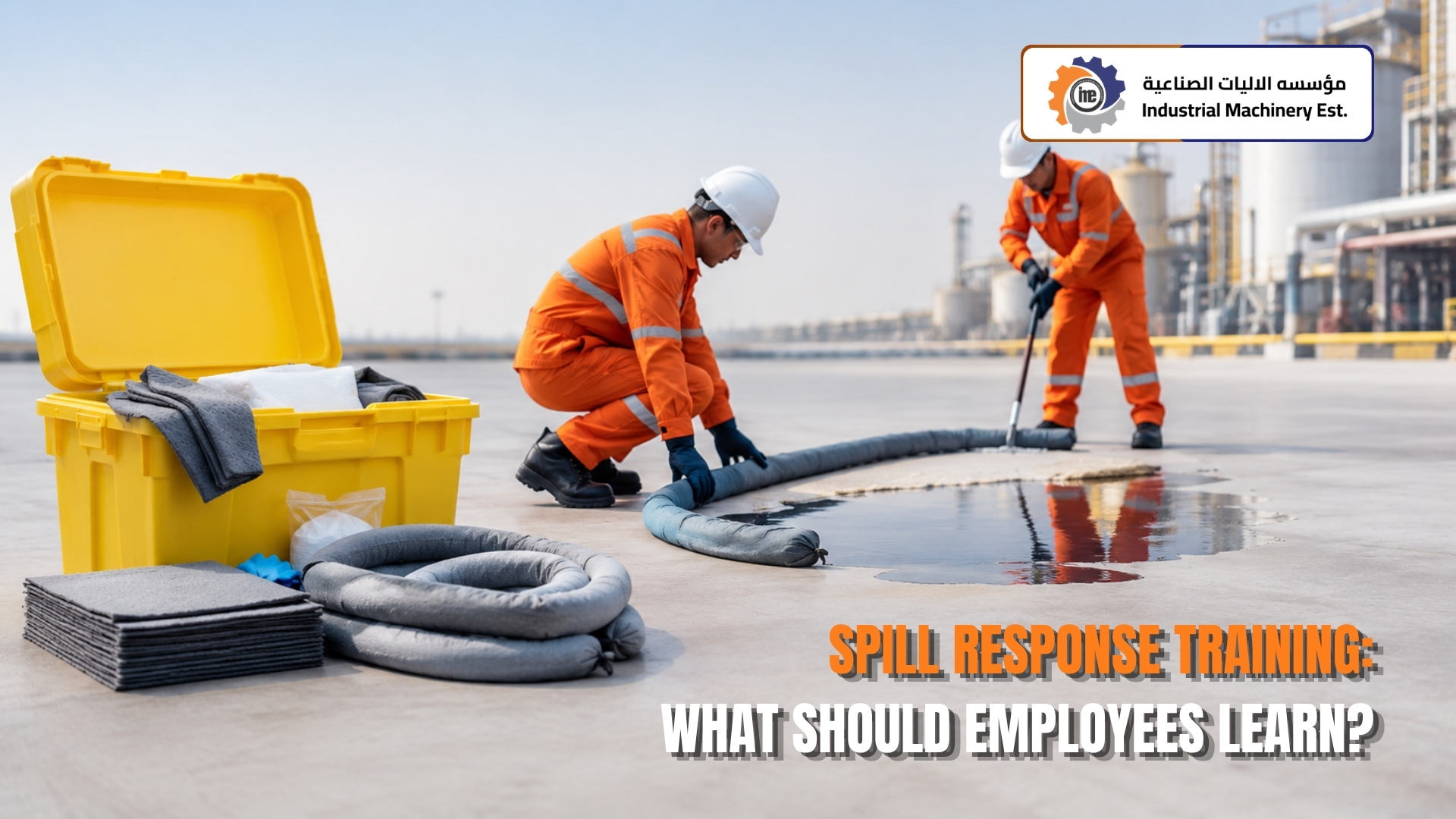
Leaks from pumps, drums, and transfer lines are common. A Chemical Spill Kit lets your team contain and absorb oil, acids, and solvents before they spread to drains, soil, or walkways. Keep kits near loading bays, storage areas, and process units, and train staff to use them quickly.
Pro Tip: Industrial Machinery Est. provides the best Oil and Chemical Spill Kits all over Saudi Arabia.
4. Respiratory Protection
Some tasks expose workers to vapors, fumes, or low oxygen levels. Respirators and self-contained breathing apparatus (SCBA) protect workers during tank entry, line breaking, and emergency response. Each worker must be fit-tested and trained, and equipment should be stored clean and ready for use.
5. Fire Extinguishers and Suppression Systems
Fire is one of the biggest threats in any petrochemical facility. Place the right class of extinguishers near hazards and keep foam, sprinkler, and deluge systems in working order. These safety essentials need monthly visual checks and regular servicing by qualified personnel.
6. Emergency Eyewash Stations and Safety Showers
When chemicals splash onto skin or eyes, the first few seconds matter most. These safety essentials must be close to chemical handling areas and free of obstructions. Flush them weekly to keep the water clean and confirm they work properly.
7. Lockout/Tagout (LOTO) Equipment
Maintenance work on pumps, valves, and electrical systems can be deadly if equipment starts unexpectedly. LOTO locks, tags, and isolation devices make sure energy sources stay off during repairs. Clear procedures and trained staff turn these simple tools into true safety essentials.
8. Fall Protection Systems
Workers often climb pipe racks, tanks, and towers. Harnesses, lanyards, lifelines, and guardrails prevent serious falls. Inspect these safety essentials before use and keep a rescue plan ready for anyone working at height.
9. Safety Signage and Labeling
Clear signs warn people about hazards, restricted zones, and required PPE. Proper chemical labels and up-to-date Safety Data Sheets (SDS) help workers understand what they are handling. Simple, visible signage is one of the most cost-effective safety essentials on site.
10. First Aid Kits and Emergency Response Plan
Even with strong controls, incidents can still happen. Well-stocked first aid kits, trained first aiders, and a clear evacuation plan reduce harm when things go wrong. Run regular drills so every worker knows exit routes, assembly points, and who to call.
How to Keep Your Safety Essentials Ready
Buying equipment is only the first step. Use this quick guide to inspect your safety essentials on time:
| Safety Item | Main Purpose | Check Frequency |
| PPE | Protects the body | Before each use |
| Gas Detectors | Early gas warning | Daily bump test |
| Chemical Spill Kit | Contains leaks | Monthly |
| Respiratory Protection | Clean breathing air | Before each use |
| Fire Extinguishers | Controls fires | Monthly |
| Eyewash and Showers | Flushes chemicals | Weekly |
| LOTO Equipment | Isolates energy | Before each job |
| Fall Protection | Prevents falls | Before each use |
| Signage and Labels | Warns of hazards | Quarterly |
| First Aid Kits | Treats injuries | Monthly |
Replace damaged items right away and train workers on correct use. A safety culture where workers report problems openly makes all safety essentials more effective.
Final Thoughts
Petrochemical work will always carry some risk, but the right safety essentials keep that risk under control. From PPE and gas detectors to spill kits and emergency plans, each item protects people, assets, and the environment. Review this checklist, close any gaps, and make safety essentials part of your daily routine, not just an audit requirement.