A drum arrives on site with a faded label. A cleaning acid gets used on a heat exchanger, and weeks later nobody can say which supplier lot it came from. When an audit lands or a reaction goes wrong, that paperwork gap turns into real money. Chemical traceability closes it by linking every drum, batch, and delivery to a verified record. Below is a practical look at how chemical traceability works, where it usually breaks, and why it protects plants, budgets, and people.
Our Service: Chemical Supplier Company in Saudi Arabia
What Chemical Traceability Actually Means
Chemical traceability is the ability to track a chemical from its point of origin through storage, use, and final disposal. It covers batch numbers, supplier details, delivery dates, storage conditions, and the exact job where the product was consumed. Nothing exotic is required here. Traceability is disciplined record keeping, supported by clear labels and a system that people on the floor will actually use.
The Real Cost of Weak Records
Missing records rarely stay a paperwork problem. If a cleaning chemical damages tube bundles, weak Traceability means the entire delivery becomes suspect instead of one bad batch. Teams then lose days rebuilding history from memory and invoices while equipment sits idle. Strong chemical traceability narrows the investigation to a single lot within minutes and keeps the plant running.
Safety Depends on Knowing What Is in the Drum
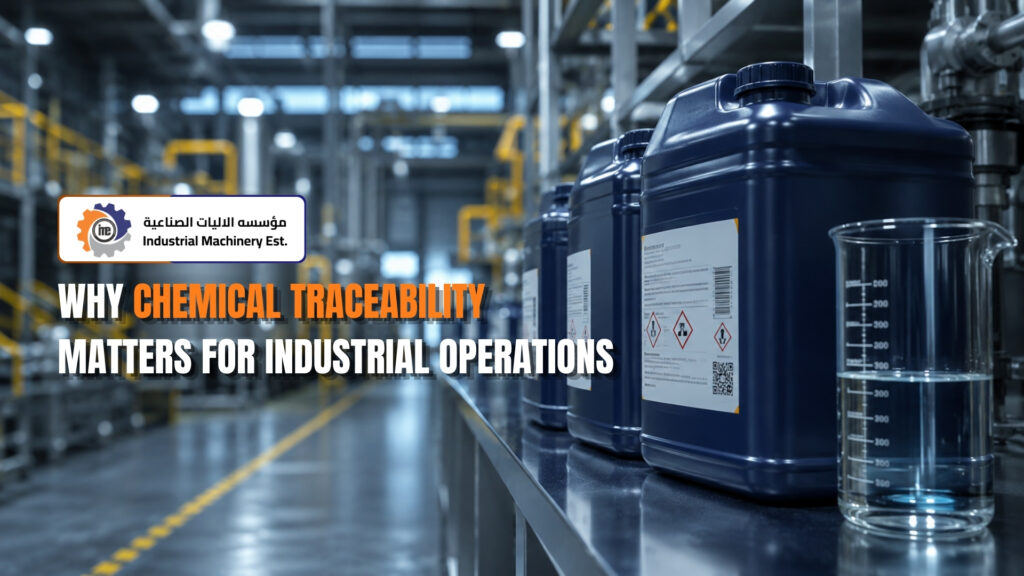
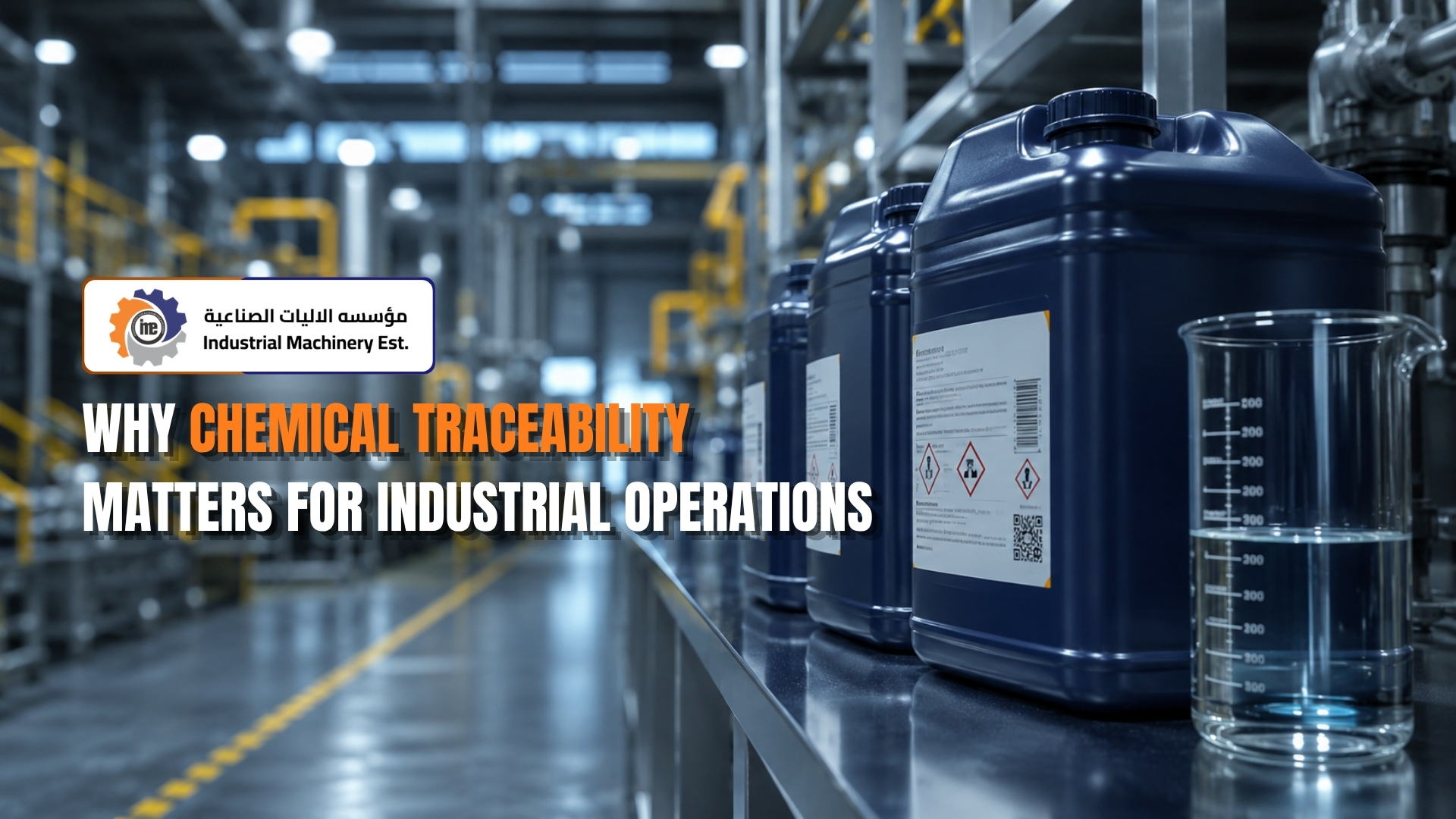
Workers handle acids, solvents, and inhibitors on every shift. When labels fade or containers get decanted, the hazard information disappears with them. Chemical traceability keeps safety data sheets tied to the physical container, so responders know exactly what they are dealing with during a spill or an exposure. That shortens emergency response time when seconds matter.
Compliance Pressure Keeps Rising
Regulators, refinery clients, and third party auditors all ask the same question: prove where it came from. Facilities working with Saudi Aramco, SABIC, and similar operators are expected to show full documentation for every chemical entering the site. Chemical traceability turns that request into a quick file lookup rather than a scramble. It also supports environmental reporting, because disposal quantities and destinations are already on record.
Better Records Also Mean Better Inventory
There is a commercial upside as well. Chemical traceability shows what is actually on site, what is close to expiry, and what is being over ordered. Plants that track usage by job often discover they are carrying stock they never needed. That visibility trims purchasing costs and reduces the volume of expired product sent for disposal.
Where Traceability Usually Breaks Down
Most chemical traceability gaps appear in a few predictable places:
- Decanting into unlabelled secondary containers
- Partial drums returned to storage without updated quantities
- Handwritten logs that never reach a central record
- Mixed lots stored together on the same pallet
- Contractor supplied chemicals brought on site without paperwork
Fixing these five points removes the majority of chemical traceability failures without any major investment.
Building a Traceable Chemical Chain
- Assign a unique code to every container on arrival, and record supplier, lot, and date.
- Label at the point of transfer, not later. Every decanted container carries the parent code.
- Log consumption by job, so each batch links to the equipment it treated.
- Store safety data sheets digitally against the same code.
- Audit quarterly by picking three random containers and tracing them back to purchase.
A simple spreadsheet handles chemical traceability on a small site. Larger plants gain more from barcode or RFID scanning, which removes handwriting errors and gives real time visibility. Either way, consistent chemical traceability comes from habits first and software second.
Start With the Supplier
Chemical traceability is only as strong as the first record in the chain. A supplier who ships with clear batch numbers, certificates of analysis, and matching delivery notes saves the entire downstream effort. Industrial Machinery Est. supplies and applies industrial chemicals across Jubail with documentation at every stage, so plant teams can answer questions with confidence instead of guesswork. Treat chemical traceability as an operating standard and it stops being an audit worry.
FAQs
How is chemical traceability different from normal inventory tracking?
Inventory tracking tells you how much stock you have. Chemical traceability tells you where each batch came from, where it went, and which equipment it touched. One protects stock levels, the other protects you during an audit or an incident investigation.
Do small plants really need a digital chemical traceability system?
Not always. A well maintained spreadsheet with unique container codes covers most small sites. Digital systems become worthwhile once volumes, contractors, or audit frequency make manual chemical traceability records too slow to keep accurate.