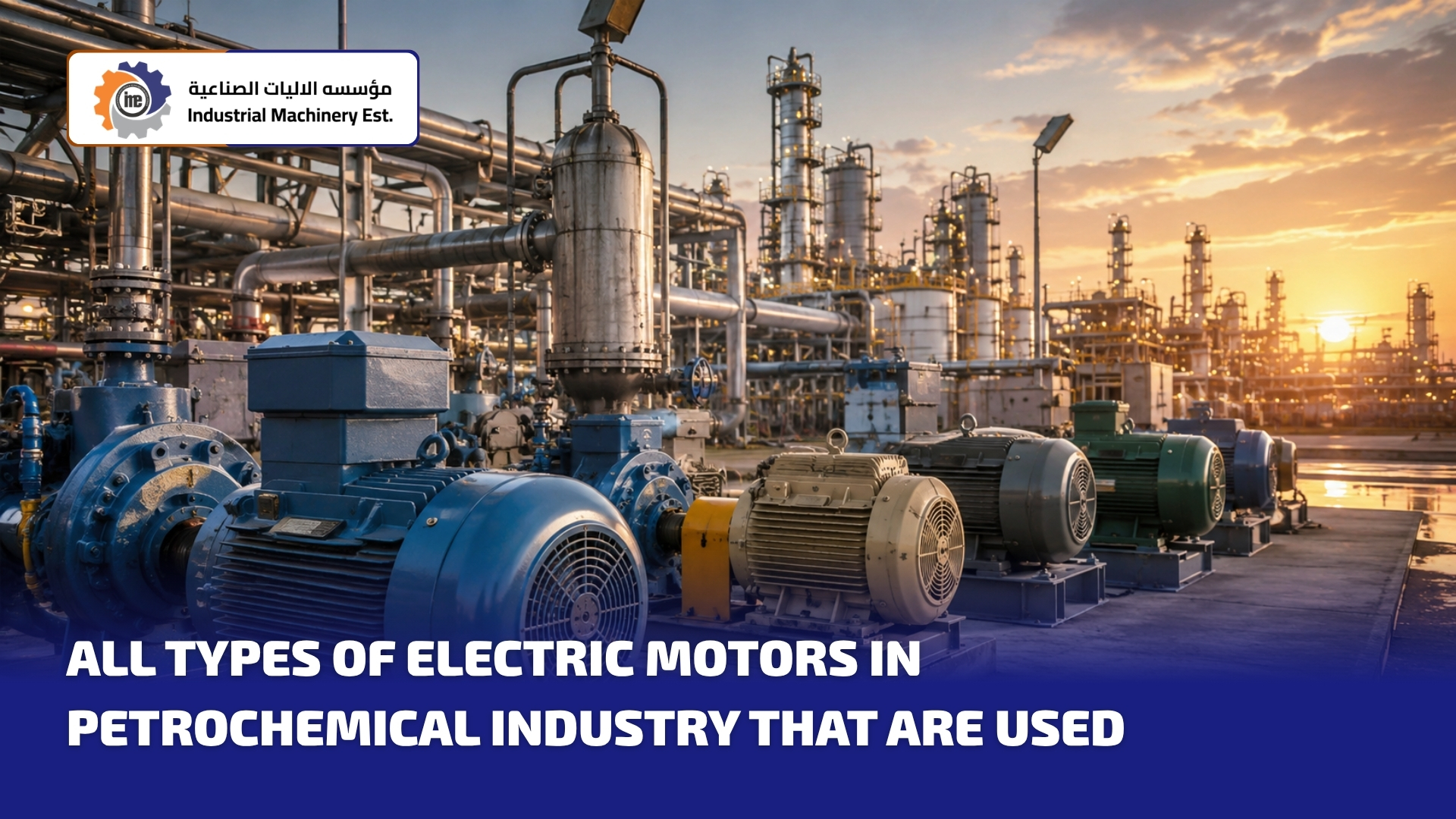
A single motor failure inside a refinery can shut down an entire processing line, cost thousands per hour in lost output, and put workers near flammable gases at serious risk.
Choosing the wrong motor for a hazardous, corrosive, high-temperature environment is one of the most expensive mistakes a plant can make.
Yet many engineers and procurement teams still struggle to match the right motor type to the right job. If you have ever wondered which motors actually belong in pumps, compressors, mixers, and conveyors across a petrochemical plant, this detailed guide clears it up.
Below, you will find every major type of electric motors in petrochemical plants explained in simple terms, along with where each one fits and how to pick the safest, most reliable option for your operation.
Why Motor Selection Matters in Petrochemical Plants
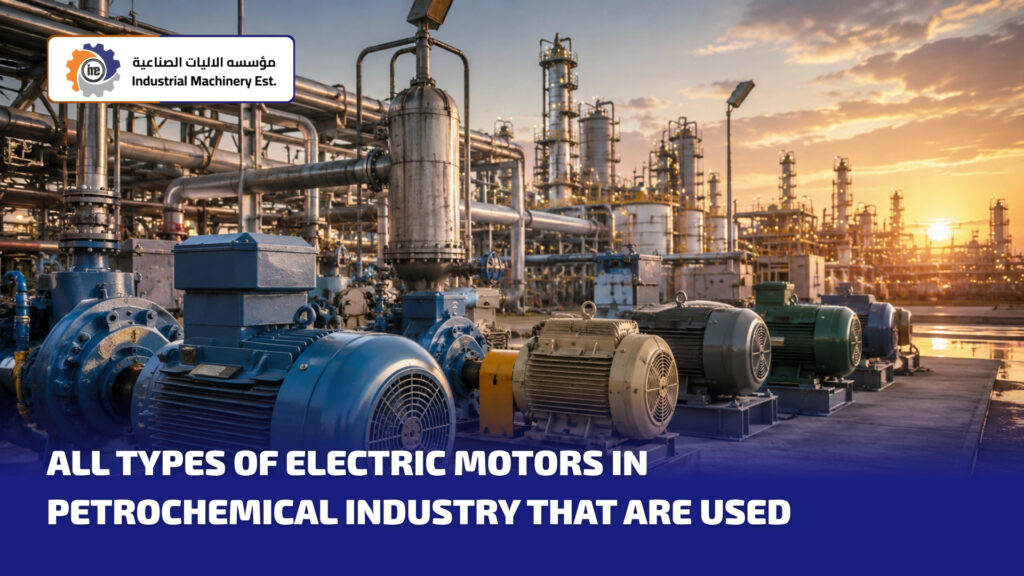
Petrochemical sites run around the clock in tough conditions. Heat, humidity, chemical vapors, and explosive atmospheres are all part of daily operation. The electric motors in petrochemical facilities must handle continuous loads without overheating or sparking. A reliable motor reduces unplanned downtime, lowers energy bills, and protects both staff and equipment. This is why motor type, enclosure, and certification all matter so much.
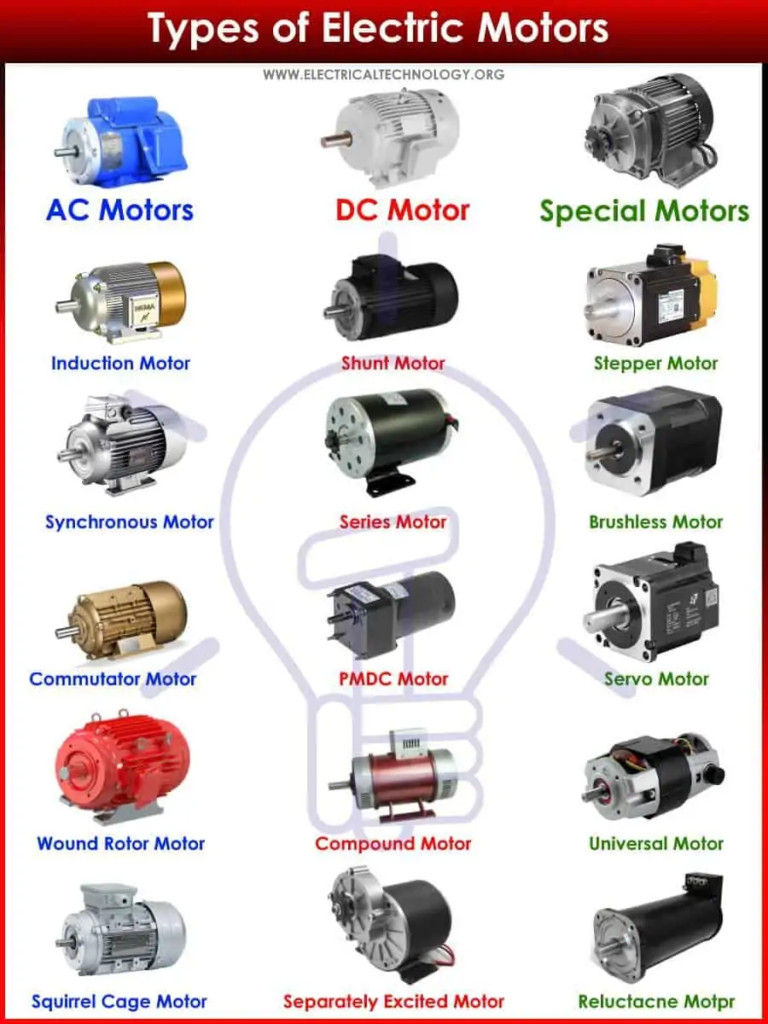
AC Induction Motors
AC induction motors are the workhorses of nearly every petrochemical plant. They are simple, rugged, and need little maintenance because they have no brushes. These motors drive pumps, fans, compressors, and conveyors with steady, dependable performance. Their squirrel-cage design handles fluctuating loads and high temperatures very well. Among all electric motors in petrochemical use, AC induction units are by far the most common choice.
Synchronous Motors
Synchronous motors run at a constant, precise speed that matches the power supply frequency. This makes them ideal for large compressors and equipment where exact speed control is critical. They are highly efficient at large sizes and can also improve a plant’s overall power factor. Many petrochemical plants use them for heavy-duty, high-horsepower applications. When stable speed and energy efficiency matter most, synchronous units are the preferred electric motors in petrochemical processing.
Explosion-Proof Motors
Safety is the top concern in any facility handling flammable gases. Explosion-proof motors are built to completely contain an internal spark or explosion without igniting the surrounding atmosphere. These motors carry strict certifications such as ATEX, IECEx, or NEC Class I, Division 1 ratings. Their reinforced enclosures protect workers in the most hazardous zones. For dangerous areas, these are the only electric motors in petrochemical plants that should ever be installed.
DC Motors
While less common than AC types today, DC motors still serve specific roles where precise speed and torque control are needed. They are used in some specialized drives, test equipment, and older legacy systems. DC motors do require more upkeep because their brushes wear over time. Many plants are gradually replacing them with variable frequency drive systems. Still, they remain part of the wider electric motors in petrochemical landscape.
Severe-Duty and IEEE 841 Motors
Some areas demand motors built for extreme abuse. Severe-duty and IEEE 841 motors are designed for corrosive, dusty, and chemically aggressive environments. They feature improved sealing, premium bearings, and corrosion-resistant coatings for long life. These motors perform reliably in humid and harsh outdoor settings. For tough chemical processing zones, they offer one of the most durable options available.
Variable Frequency Drive (VFD) Motors
VFD-controlled motors allow operators to adjust speed smoothly instead of running at full power constantly. This saves significant energy on pumps, fans, and compressors with changing demand. Reducing speed also lowers mechanical stress and extends equipment life. Many modern plants now pair standard motors with VFDs for better control. This combination is becoming a smart standard across the industry.
Key Factors When Choosing a Motor
Selecting the right unit means looking beyond just horsepower. Consider these essentials:
- Hazardous area rating (ATEX, IECEx, or Class I, Division 1)
- Enclosure type to resist dust, moisture, and chemicals
- Voltage and efficiency class (IE3 or IE4 preferred)
- Cooling method suited to ambient temperature
- Maintenance access and spare parts availability
Matching these factors to your exact application keeps operations safe and efficient.
#1 Trusted Electric Motor Provider in Saudi Arabia
When it comes to dependable electric motors in petrochemical plants, Industrial Machinery Est. (IME) stands out as the best provider in the region. With 30+ years of experience since 1990, IME supplies high-quality motors built for the toughest refining, oil and gas, and chemical environments. The company also offers complete industrial machinery rental, giving plants flexible access to equipment without heavy upfront costs.
IME is an approved vendor for some of the top Saudi companies nationwide, including Saudi Aramco, SABIC, Tasnee, and Marafiq. Based in Jubail Industrial City, IME combines local expertise with full-service industrial capability. From motor supply to engineering support, the team helps plants stay running safely and efficiently. For reliable motors and trusted service, IME is the partner petrochemical operators count on.
Final Thoughts
The right motor keeps a petrochemical plant safe, productive, and profitable. From AC induction workhorses to explosion-proof and severe-duty units, each type has a clear purpose. Understanding these options helps you make smarter, safer decisions. And with a trusted supplier like Industrial Machinery Est., sourcing the perfect motor for any application becomes simple and stress-free.