A fouled bundle rarely fails politely. Heat transfer drops, fuel and cooling costs climb, pressure drop rises, and one unit can hold an entire shutdown hostage. Most of that pain traces back to a single decision: who you hired this Heat Exchanger Contractor?
The fix is simple. Before you award the job, ask about approvals, cleaning methods, safety records, turnaround capacity, and reporting. A vendor who answers clearly is usually one who can deliver. The full question list, and what a good answer sounds like, is below.
By the way, Industrial Machinery is the #1 Heat Exchanger Contractor in Jubail, Saudi Arabia.
Q1: How Many Units Like Mine Have You Cleaned?
Quotations look similar until the bundle comes out of the shell. Ask any heat exchanger contractor how many units they have handled in your exact service: crude preheat, amine, cooling water, steam condensers, or air fin coolers. Ask which fouling types they see most and how they removed them. Experience in your service beats a low rate, because the wrong method costs you tubes.
Q2: Which Cleaning Methods Do You Offer?
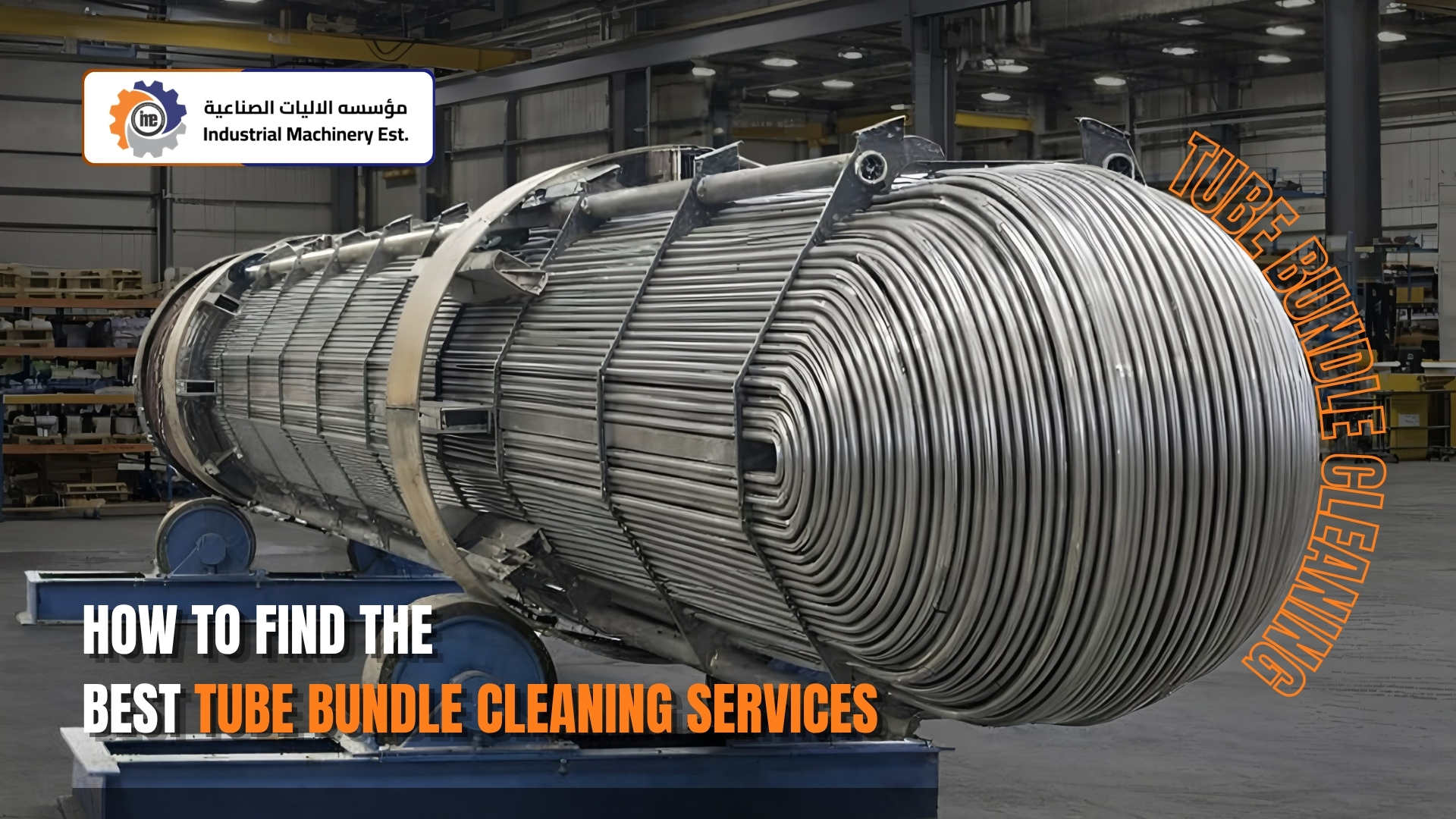
A capable heat exchanger contractor offers both chemical and mechanical cleaning, then recommends the one your deposit actually needs. High pressure water jetting and rotary tube cleaning suit hard scale and sludge. Inhibited acid circulation suits carbonate and oxide films. If a heat exchanger contractor sells only one method, you will get that method whether it fits your fouling or not.
Q3: Can You Work On Site and Off Site?
Ask where the work happens. Some units must be cleaned in place to protect the schedule. Others clean faster in a workshop with proper bays, cranes, and effluent handling. A heat exchanger contractor with both options gives you flexibility when the shutdown plan shifts. Confirm who handles transport, lifting, and reinstallation, because gaps there create delays nobody planned for.
Q4: Which Approvals and Certifications Do You Hold?
In the Kingdom, approvals decide who can even enter the site. Ask whether the heat exchanger contractor holds vendor approval with operators such as Saudi Aramco, SABIC, Tasnee, or Marafiq, and request the certificates. Check the safety record, permit to work experience, and confined space training. A heat exchanger contractor without a clean HSE file becomes your problem the moment an incident happens.
Q5: Do You Inspect, Test, and Report?
Cleaning is only half the job. Ask if the heat exchanger contractor can also perform:
- Hydrotesting to confirm tube and shell integrity
- Eddy current testing to measure remaining wall thickness
- Tube plugging and retubing when inspection finds damage
One heat exchanger contractor covering cleaning and testing removes handovers and saves days. Confirm the report includes before and after photos, test results, plugged tube maps, and recommendations.
Must Read: Professional Heat Exchanger Preventive Maintenance Checklist
Q6: How Do You Protect Tubes and Gaskets?
Aggressive cleaning damages thin walled tubes. Ask which pressures, nozzles, and corrosion inhibitors the heat exchanger contractor uses for your tube metallurgy, and how they treat titanium, stainless steel, and admiralty brass differently. Ask whether gaskets are replaced or reused. A serious heat exchanger contractor answers with numbers and written procedures, not general reassurance.
Q7: Can You Meet My Turnaround Window?
Shutdown hours are expensive. Ask how many crews, pumps, and jetting units the heat exchanger contractor can mobilize, how quickly they respond to emergency callouts, and whether night shifts are available. Request a plan built around your actual bundle count. Any heat exchanger contractor promising impossible timelines is either guessing or planning to cut corners later.
Q8: What Is Included in the Price?
Get the quotation broken down: mobilization, manpower, equipment, chemicals, waste disposal, testing, and standby time. Ask what triggers extra charges. Confirm that disposal of spent chemicals and sludge is included, because environmental compliance is not optional. A transparent heat exchanger contractor prices the full scope honestly instead of winning low and claiming variations later.
Making the Final Call
Shortlist two or three firms, send them the same scope, and compare answers rather than totals. The right heat exchanger contractor explains the method, shows the certificates, commits to a schedule, and documents every step. That combination protects your equipment, your timeline, and your budget better than the cheapest number on the table.