Thinning tubes, sudden leaks, poor heat transfer and shutdowns nobody planned for. Most of these problems in heat exchangers start with one slow, quiet process: corrosion. A corrosion inhibitor is the simple answer. It is a chemical added in small doses to the water or process fluid that forms a protective layer on metal surfaces and slows the attack down. Keep reading for the full picture.
What a Corrosion Inhibitor Actually Does
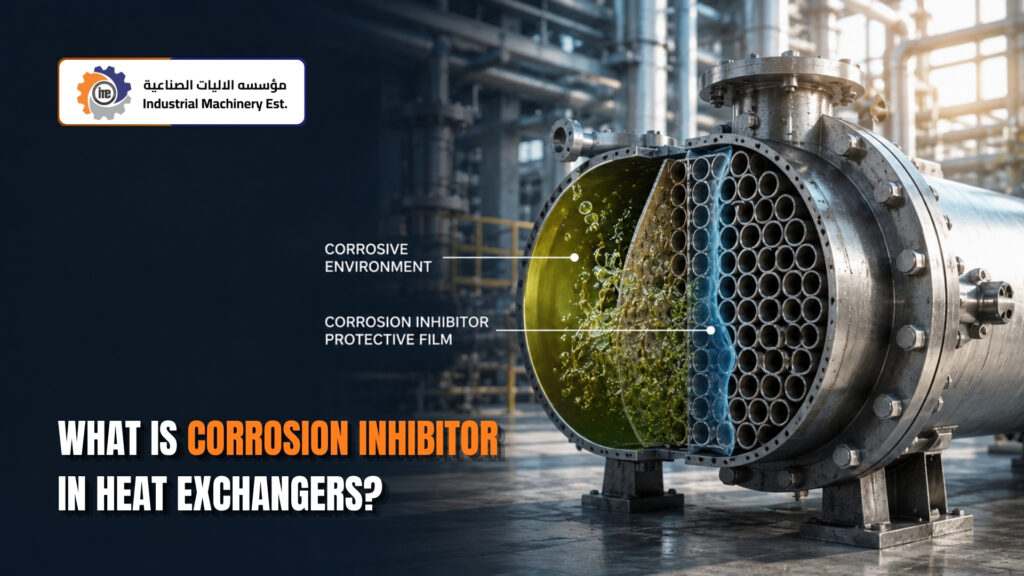
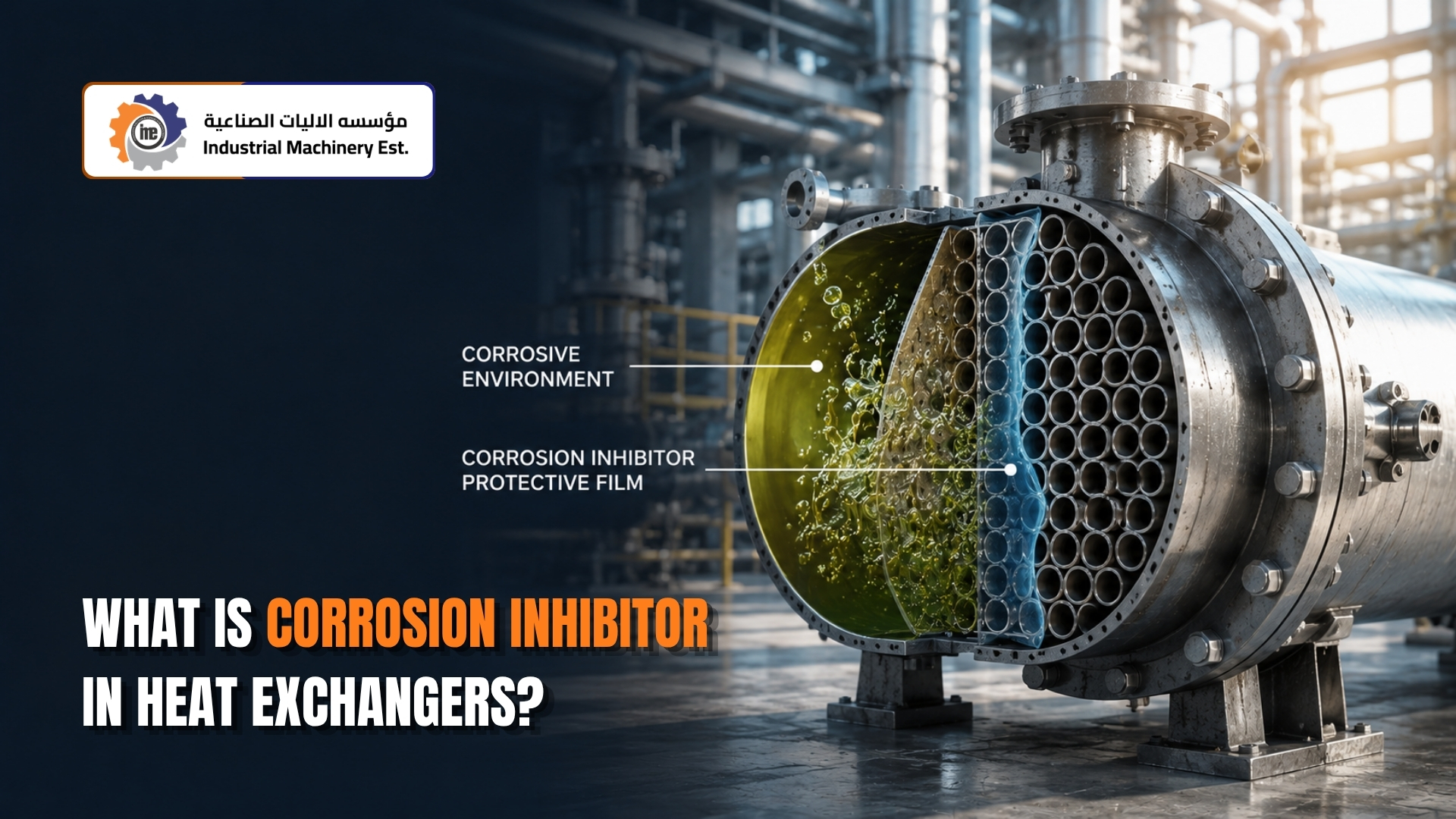
A corrosion inhibitor is a chemical dosed at very low concentration into cooling water, closed loops or process streams. Instead of coating the metal like paint, it reacts at the surface and builds a film only a few molecules thick. That film blocks oxygen and aggressive ions such as chloride from reaching the steel, copper or aluminium underneath, which slows the electrochemical reaction that eats metal away.
Why Heat Exchangers Corrode So Fast
Heat exchangers are one of the hardest places to protect. Tube walls are thin, temperatures are high, flow is uneven, and several different metals often sit inside the same shell. Add dissolved oxygen, chlorides and biological growth, and you get pitting, crevice attack and galvanic corrosion. Low flow areas on the shell side are the worst, because stagnant water turns into a small, highly corrosive pocket.
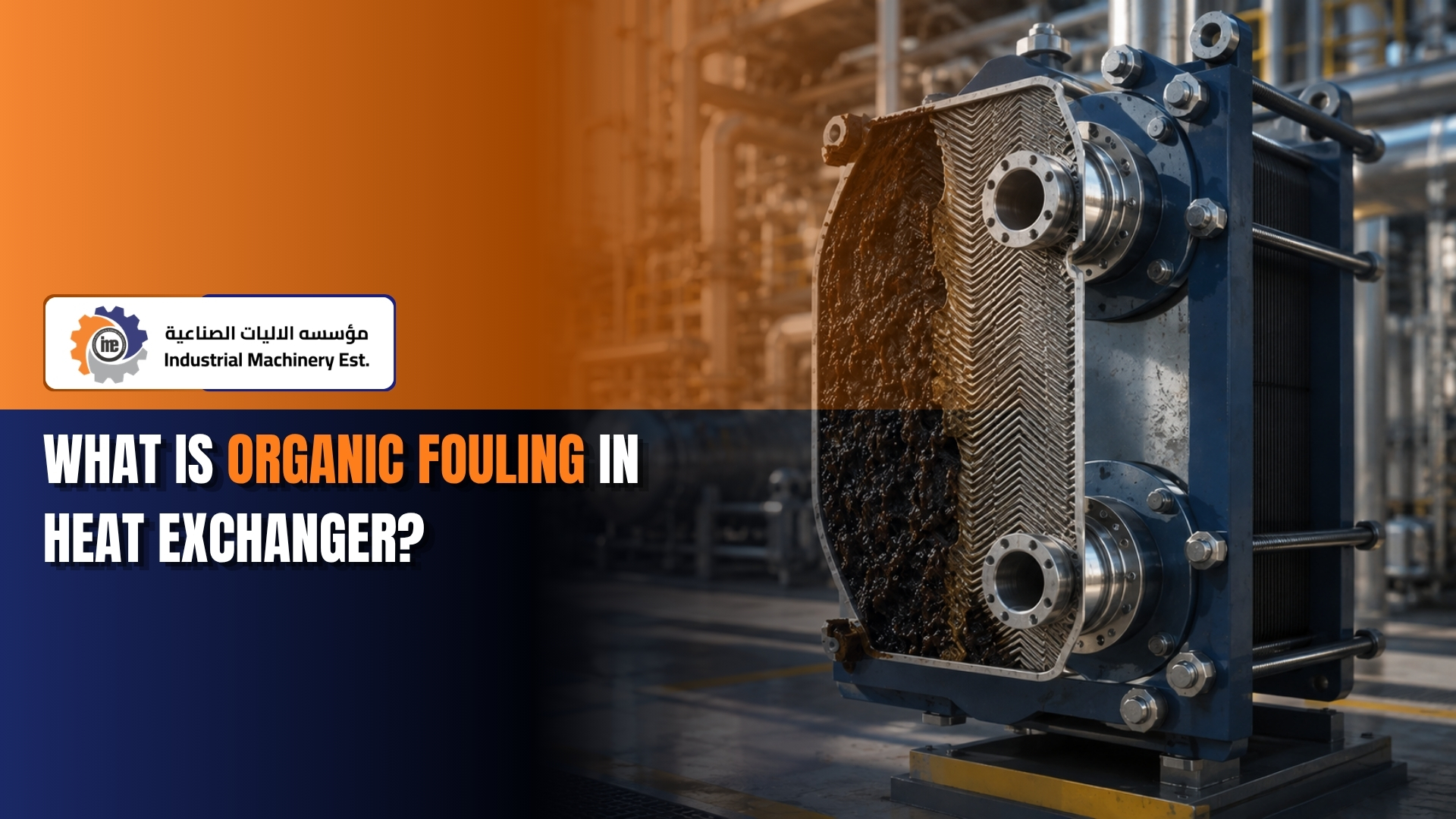
Must Read: What is Organic Fouling in Heat Exchangers?
Common Types of Corrosion Inhibitors
Not every corrosion inhibitor works the same way. The main families are:
- Anodic (passivating) inhibitors: molybdates, nitrites and silicates form a tough oxide film at the anode. Strong protection, but underdosing can trigger pitting.
- Cathodic inhibitors: zinc salts and polyphosphates form a deposit that slows the cathodic reaction. Gentler, though the film repairs slowly after an upset.
- Mixed or film forming inhibitors: phosphate and zinc blends that act on both reactions at once.
- Organic inhibitors: azoles such as benzotriazole and tolyltriazole, used mainly to protect copper and brass tubes.
- Oxygen scavengers: used in closed and steam side systems where dissolved oxygen is the main threat.
Dosing a Corrosion Inhibitor the Right Way
Concentration matters as much as product choice. An anodic corrosion inhibitor held at half its required residual can be worse than no treatment at all, because it protects most of the surface and forces the attack into a few small spots. Test residual levels on a fixed schedule, and adjust dosing for cycles of concentration, temperature swings and any change in makeup water quality.
Signs Your Corrosion Inhibitor Program Is Failing
Watch for these warning signs:
- Rising approach temperature or falling heat transfer
- Reddish or greenish deposits inside the tube bundle
- Coupon corrosion rates above your normal mils per year limit
- Repeated tube leaks appearing in the same zone
Any of these means the corrosion inhibitor residual, the water chemistry or the cleaning schedule needs a fresh look.
Final Thoughts
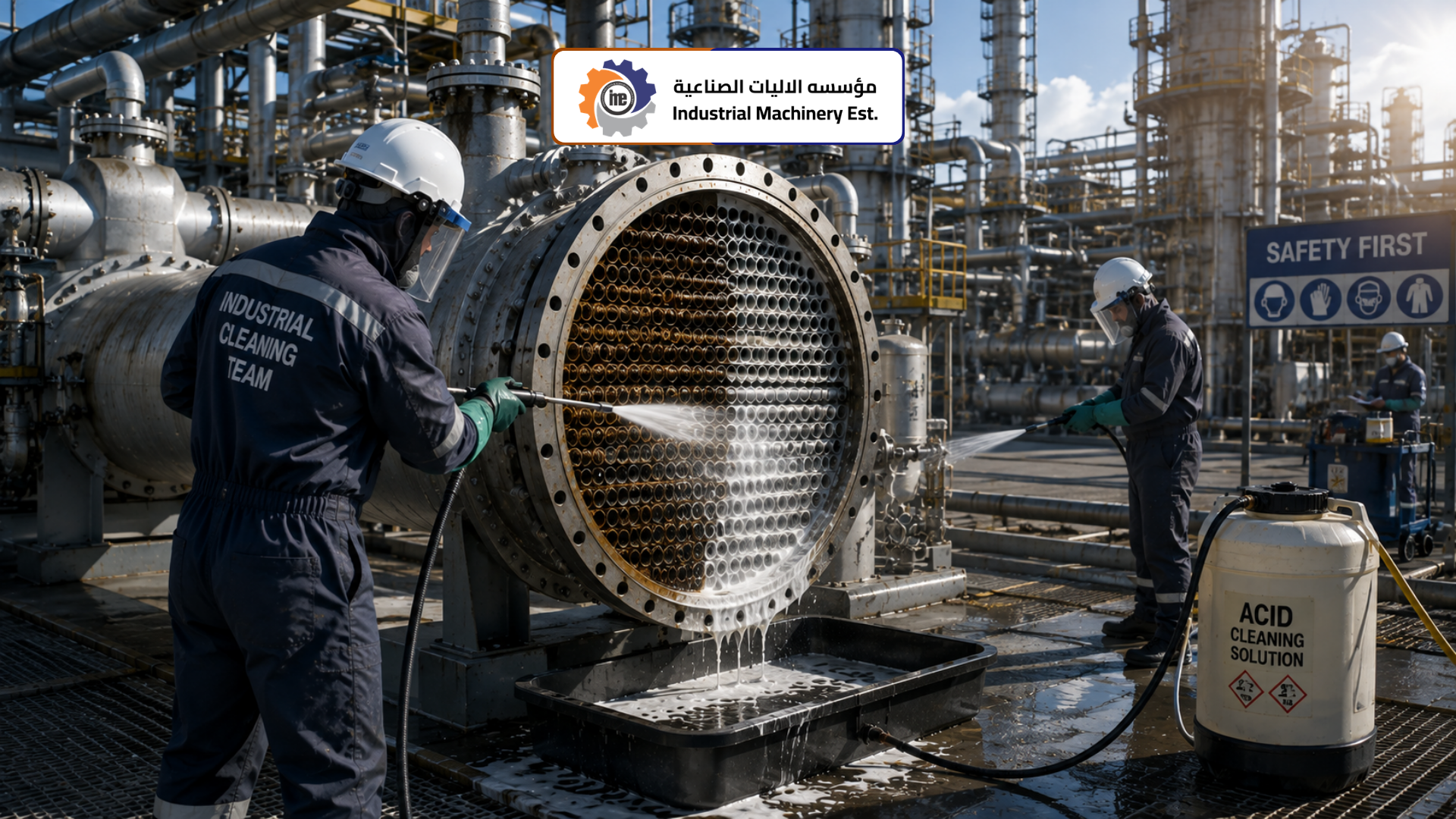
A corrosion inhibitor is cheap insurance for expensive equipment. Match the chemistry to your metals and water, hold the residual steady, and back it up with regular mechanical or chemical cleaning. Do that consistently, and tube life stretches from a few troubled years toward the full design life the exchanger was built for.