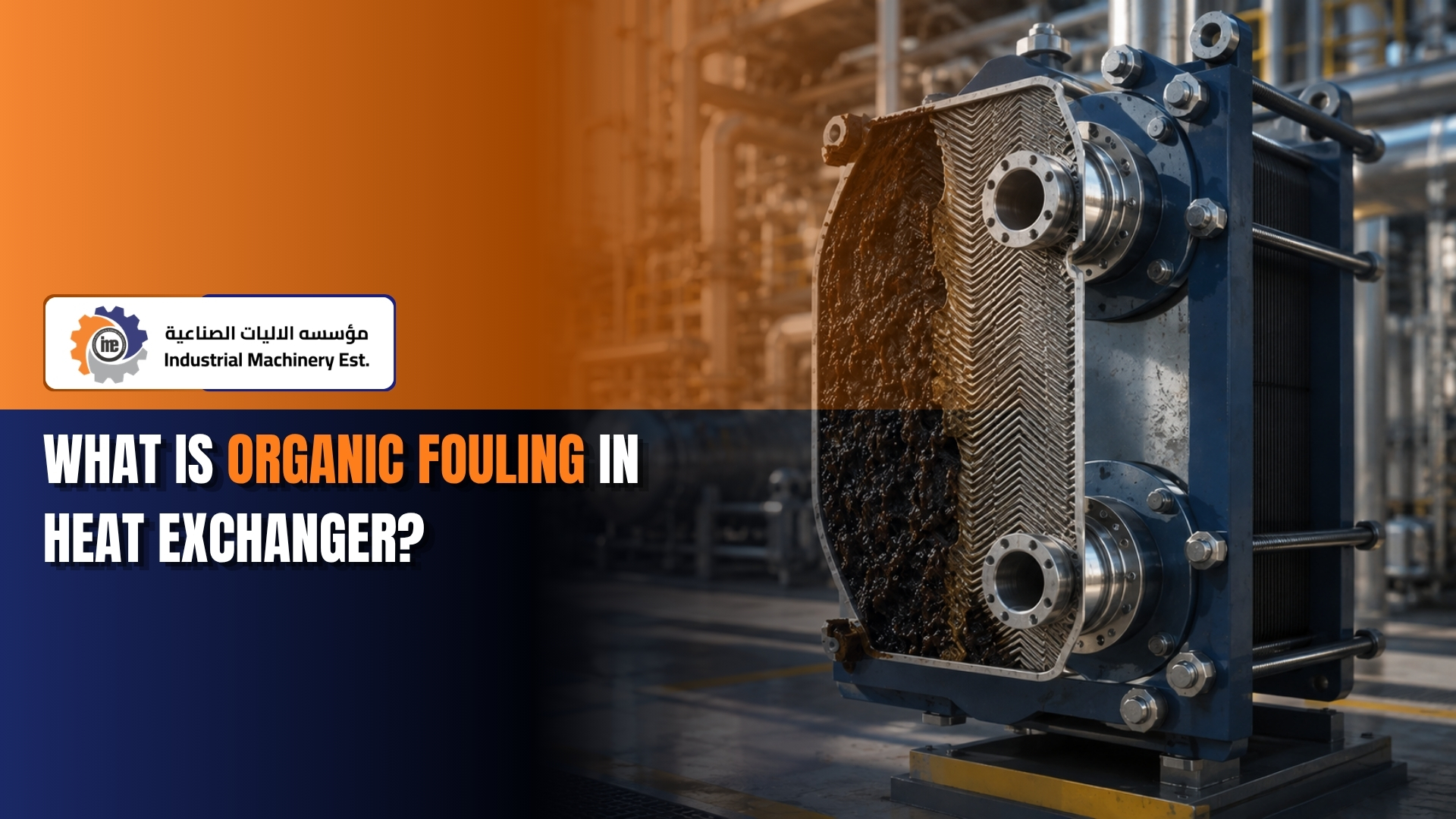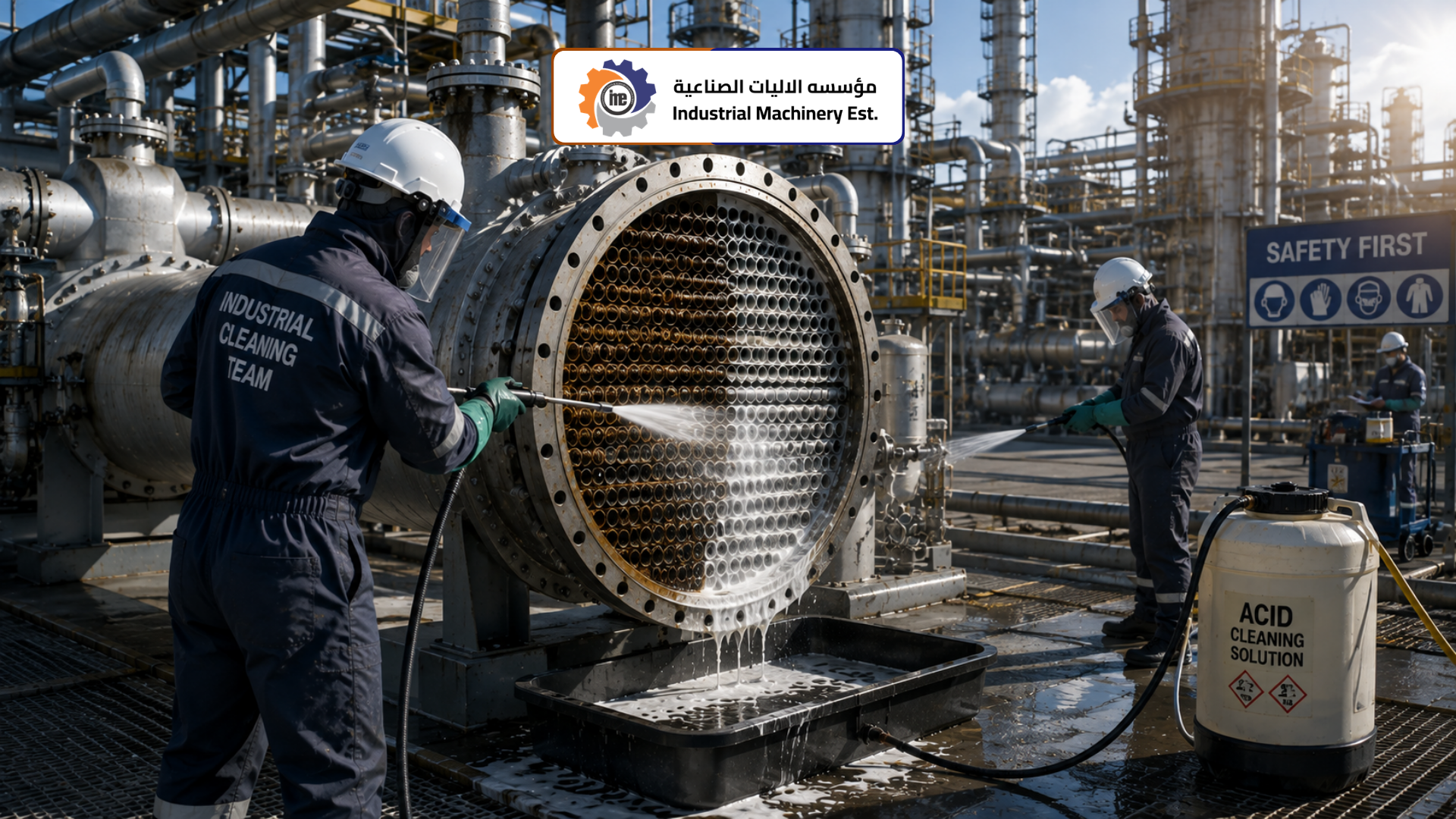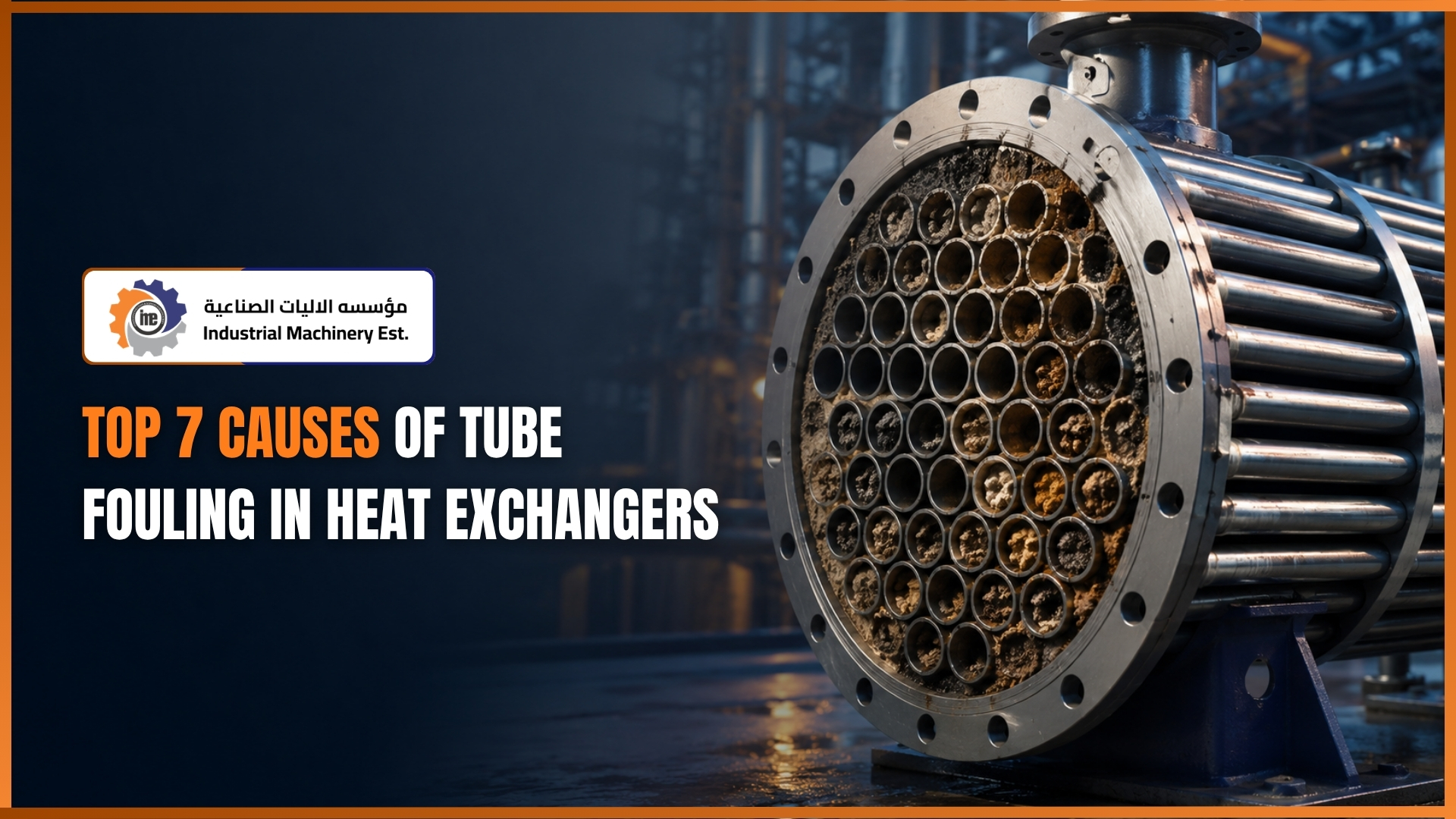
A heat exchanger that once ran clean can start losing efficiency without warning. Energy bills climb, pressure drop rises, and a planned run turns into an unplanned shutdown for cleaning.
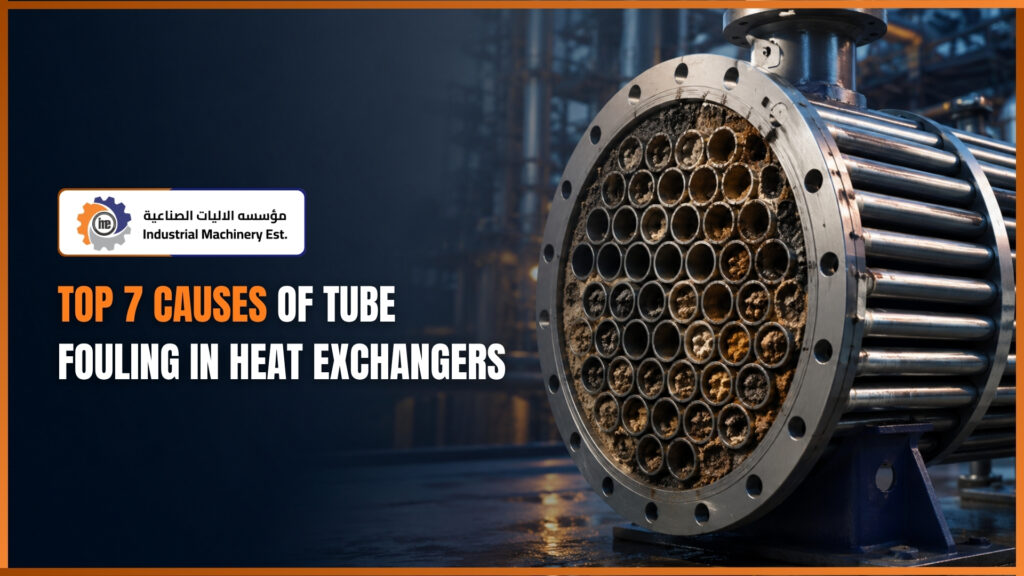
Behind almost every one of these symptoms is the same problem: tube fouling. It builds up quietly on tube surfaces until performance loss becomes impossible to ignore.
In short, tube fouling comes down to a handful of root causes, from scale and corrosion to poor flow and weak water treatment. Fix these and tube fouling slows down fast. Keep reading for the top 7 causes of tube fouling.
1. Scale Formation from Hard Water
Scale is one of the most common causes of tube fouling, especially in systems running on hard water. As water heats up, dissolved minerals like calcium carbonate and magnesium salts become less soluble and precipitate onto the tube walls.
Over time, this mineral buildup hardens into a crust that insulates the surface and cuts heat transfer. This form of tube fouling rarely reverses on its own, so if left untreated, scale keeps thickening until output drops and cleaning becomes unavoidable.
2. Corrosion Buildup on Tube Surfaces
Corrosion is a major driver of tube fouling, especially in systems handling oxygenated or acidic fluids. It happens when fluid inside or around the tubes reacts chemically with the metal, forming oxides and rust on the surface.
This layer adds thermal resistance just like scale, but it also weakens the tube material underneath. Once the surface roughens, it becomes an anchor point for more deposits, which is why corrosion related tube fouling tends to accelerate once it starts.
3. Biological Growth and Biofilm
Biological growth is another common contributor to tube fouling, particularly where cooling water is not properly treated. Algae, bacteria, and other microorganisms settle on tube surfaces and multiply, forming a biofilm that traps particles and holds moisture against the metal, creating the perfect environment for corrosion underneath.
Biological tube fouling tends to progress quickly in warm, slow moving water, the exact condition found in many cooling towers, and it can spread across an entire bundle in a short time.
Also Read: How Professionals Remove Scale and Fouling from Industrial Systems
4. Particulate and Sediment Buildup
Particulate and sediment buildup is a physical cause of tube fouling that has little to do with chemistry. Dirt, sand, rust particles, and other suspended solids settle directly onto tube walls, particularly where flow slows down.
This is known as sedimentation, common in systems that lack proper filtration upstream. Sediment layers build gradually but steadily, narrowing the flow path and raising pressure drop, and this type of tube fouling gives corrosion and scale more surface area to attach to.
5. Chemical Reaction Fouling
Chemical reaction fouling is a particularly aggressive form of tube fouling common in refining and petrochemical operations. Process fluids are often exposed to high tube wall temperatures, and under these conditions, hydrocarbons can break down, polymerize, or coke onto the tube surface.
Once formed, this tube fouling bonds tightly to the metal, which is why standard rinsing rarely removes it. In severe cases, the buildup can partially block flow through the tube. It usually calls for specialized chemical cleaning to fully restore the heat transfer surface.
6. Low or Uneven Flow Velocity
Low or uneven flow velocity is one of the most overlooked causes of tube fouling. Flow that is too slow, or unevenly distributed across a tube bundle, gives particles more time to settle and biofilm more time to establish itself.
Poor exchanger design or partial blockages can create dead zones where fluid barely moves. These stagnant pockets suffer from tube fouling far faster than the rest of the unit, which is often the hidden reason one section fails before the others.
7. Weak Water Treatment Programs
Weak water treatment programs sit behind many of the other causes of tube fouling on this list. Without correct chemical dosing, regular monitoring, and consistent blowdown control, scale, corrosion, and biological growth can all develop unchecked.
Inconsistent treatment is often the true root cause driving several fouling mechanisms at once, not just one. A simple monthly water test can catch problems long before they show up as reduced output, which is why routine monitoring matters as much as any single cleaning method for controlling tube fouling long term.
Quick Prevention Checklist
A few consistent habits go a long way toward slowing every driver of tube fouling covered above:
- Test water hardness and use scale inhibitors where needed
- Choose corrosion resistant tube materials for harsh fluids
- Keep biocide dosing and monitoring on schedule
- Maintain flow velocity above the critical settling point
- Schedule cleaning before deposits harden completely
- Track pressure drop and temperature as early warning signs
Keep Your Heat Exchangers Running Clean
Tube fouling rarely comes from one factor alone. It usually builds from a mix of scale, corrosion, biological growth, and poor operating conditions working together. Catching tube fouling early keeps energy costs, downtime, and cleaning bills from spiraling.
Industrial Machinery Est. has supported petrochemical, oil and gas, and power plant facilities across Jubail Industrial City with chemical cleaning and mechanical tube cleaning for over 30 years. If your heat exchangers show signs of tube fouling, our team can help restore full performance.https://indme.com/