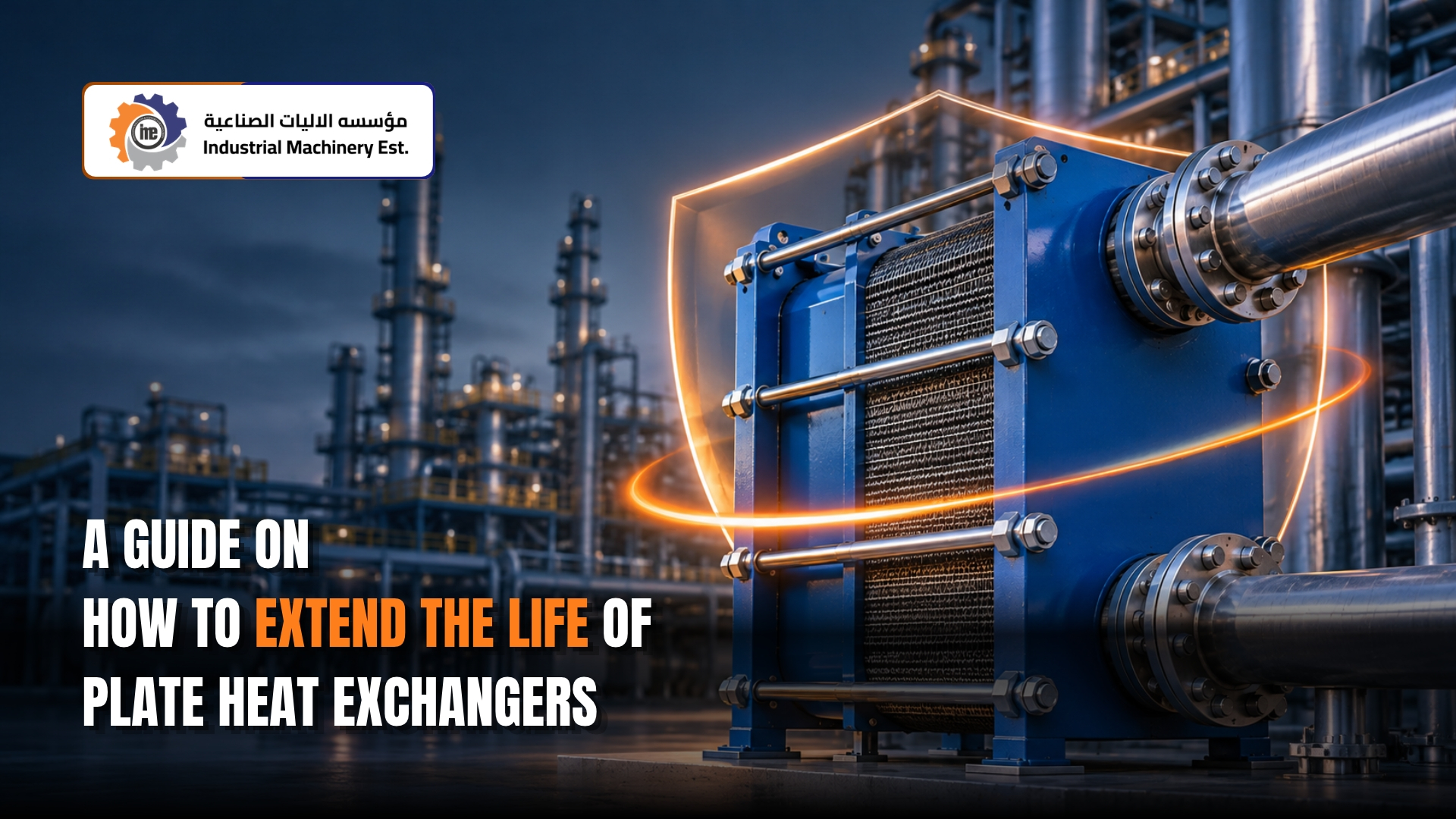
Your plate heat exchanger passed its last inspection. Six months later, it can’t hold outlet temperature and the pressure drop keeps climbing.
This is often the first sign of fouling or gasket wear inside the plate pack. If you leave it alone, it leads to higher energy bills, leaking gaskets, unplanned shutdowns, and early plate replacement. The good news is that how long a unit lasts depends mostly on how it is cared for, not on how it was built. So, let’s learn about how to extend life of plate heat exchangers.
How Long Does a Plate Heat Exchanger Last?
With proper care, plates can last 20 years or more. Gaskets wear out sooner and usually need replacing every few years. How soon depends on temperature, the type of fluid, and how often the unit is opened. Poor maintenance can shorten the life of both by many years.
What Shortens Plate Heat Exchanger Life?
- Fouling and scale: Deposits block heat transfer and raise pressure drop.
- Gasket aging: Heat and chemicals make gaskets hard, cracked, or swollen.
- Corrosion: Chlorides and the wrong cleaning chemicals can pit stainless steel plates.
- Pressure and thermal shocks: Sudden start-ups and water hammer stress plates and gaskets.
- Poor reassembly: Overtightening or putting plates in the wrong order damages the plate pack.
5 Ways to Extend the Life of Plate Heat Exchangers
1. Clean Based on Performance, Not Breakdown
Track pressure drop and temperature difference. When pressure drop clearly rises or heat transfer clearly falls, schedule cleaning. If you wait until the unit fails, deposits become harder to remove and the risk of plate damage goes up.
2. Prevent Fouling at the Source
- Install strainers or filters on the inlet lines.
- Keep flow velocity close to design, because low flow lets solids settle.
- Treat cooling water to control scale and biological growth.
- Flush and drain the unit before long shutdowns.
3. Inspect Gaskets Regularly
- Look for cracks, hardening, swelling, or flat spots.
- Check the leak detection holes for drips.
- Use a gasket material that suits the fluid and temperature, such as EPDM, NBR, or FKM.
- Replace gaskets as a full set so sealing pressure stays even.
4. Control Operating Conditions
- Open and close valves slowly during start-up and shutdown.
- Stay within design pressure and temperature limits.
- Avoid sudden temperature swings between the hot and cold sides.
- Monitor chloride levels wherever stainless steel plates are used.
5. Reassemble With Care
Tighten the frame to the plate pack length given by the manufacturer. Overtightening crushes gaskets and can crack plates. Keep the plates in the correct order and check alignment before pressurizing.
Why Chemical Cleaning (CIP) Protects Your Equipment
Opening a plate heat exchanger for manual cleaning takes time and puts gaskets and plates at risk. Clean in Place (CIP) circulates a cleaning solution through the unit without taking it apart. It offers:
- Less downtime
- Less gasket handling and damage
- Better reach to deposits deep in the plate channels
- Heat transfer restored close to design levels
The key is choosing chemicals that match both the deposit type and the plate material.
Plate Heat Exchanger Chemical Cleaning by Industrial Machinery Est.
Industrial Machinery Est. is a trusted provider of plate heat exchanger chemical cleaning and flushing services in Saudi Arabia. With more than 30 years of field experience, the team delivers reliable heat exchanger CIP services for petrochemical plants, refineries, and power facilities. Every job starts by identifying the fouling type, so the right chemicals remove deposits without harming plates or gaskets. The result is restored efficiency, shorter shutdowns, and longer equipment life.
How often should a plate heat exchanger be cleaned?
It depends on the fluid and how fast fouling builds up. Most plants clean when pressure drop rises or heat transfer falls, rather than on a fixed date.
Can a plate heat exchanger be cleaned without opening it?
Yes. CIP chemical cleaning removes most deposits without taking the unit apart.
When should gaskets be replaced?
Replace them when they show cracks, hardness, or leaks, or when they lose their shape.