Your heat exchanger is running hotter than it should. Pump pressure keeps dropping. Energy bills climb, and nobody can point to a broken part. The cause is usually a thin layer of hardened minerals coating the inside of your equipment. Even a coating thinner than a coin blocks heat transfer, chokes flow, and pushes machines toward early failure.
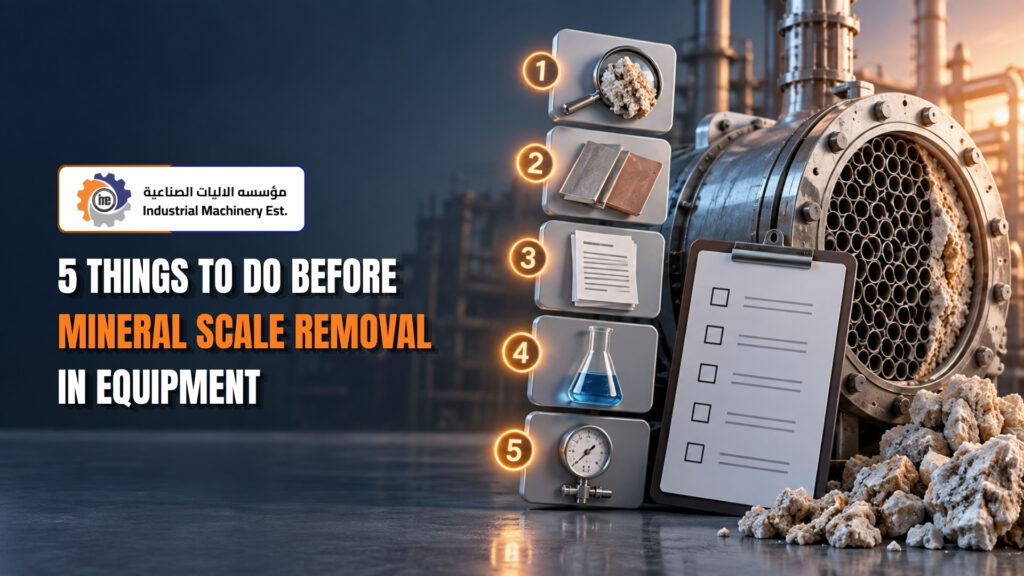
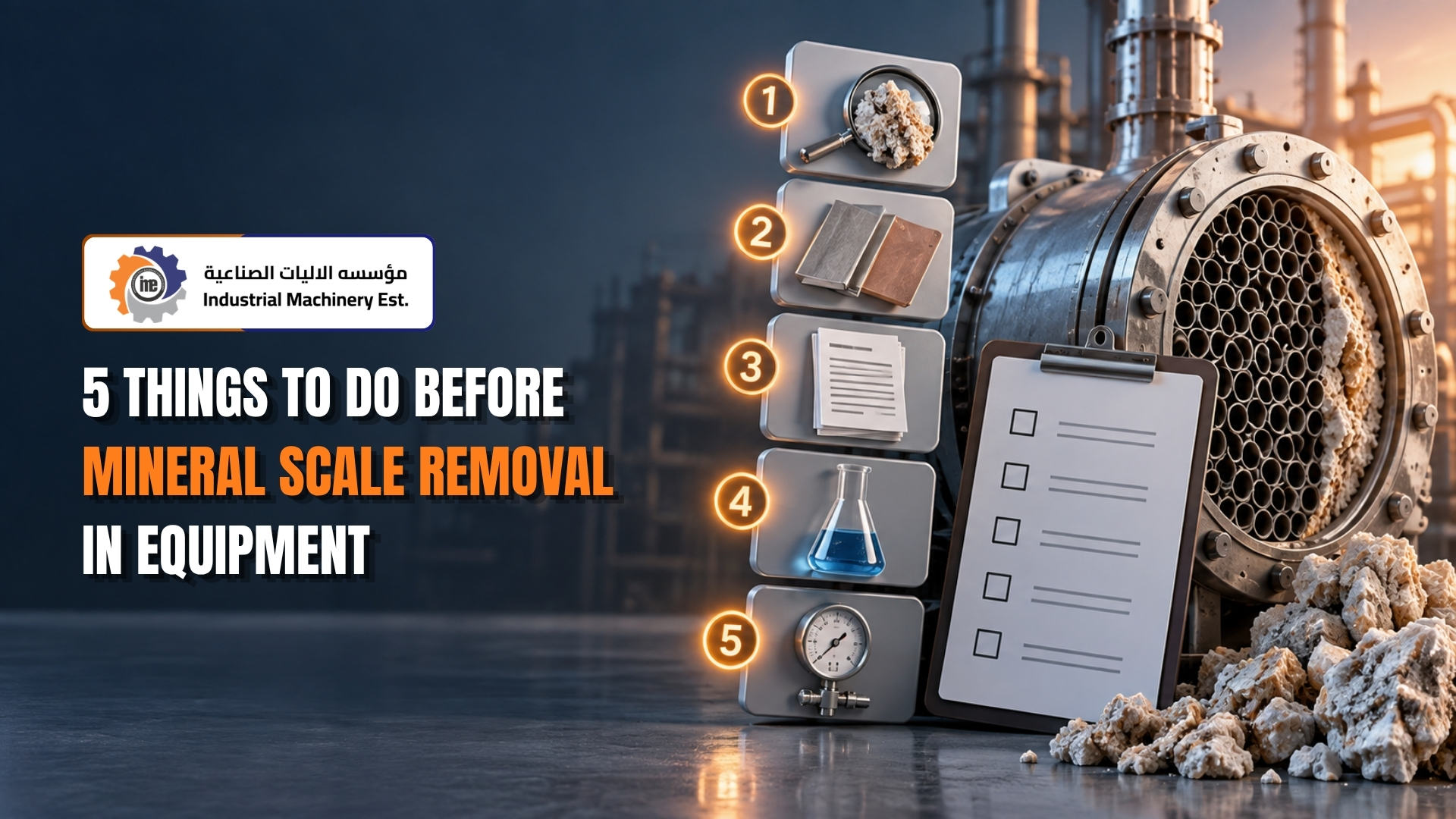
The fix is not complicated. Effective mineral scale removal comes down to five steps: identify the deposit, choose the right chemical, isolate and circulate it properly, flush and neutralise, then protect the surface so scale does not return. Do these in order and most systems come back to near original performance. The rest of this article breaks down each step.
Why Scale Costs More Than You Think
Scale forms when dissolved calcium, magnesium and silica drop out of water and settle on hot metal surfaces. It behaves like insulation. A layer of just one millimetre pushes energy use up, and thicker deposits lead to tube failure and unplanned shutdowns. Planned mineral scale removal is always cheaper than an emergency repair, so good teams schedule it instead of waiting for a breakdown.
1. Identify the Deposit Before Mineral Scale Removal Begins
Not every deposit responds to the same treatment. Calcium carbonate dissolves easily in acid. Silica needs chelating agents or specialty blends. Iron oxide needs a dual action product for rust and minerals.
Take a sample, look at the colour and hardness, and test it if you can. Guessing is the single most common reason mineral scale removal fails. A correct diagnosis saves hours of circulation time and wasted chemical.
2. Match the Chemical to the Metal
A descaler that is safe on carbon steel can attack aluminium, copper or gaskets. Before starting any mineral scale removal job, confirm:
- Metallurgy of tubes, shells and internals
- Gasket and elastomer compatibility
- Safe temperature and concentration limits
- Inhibitor content in the product
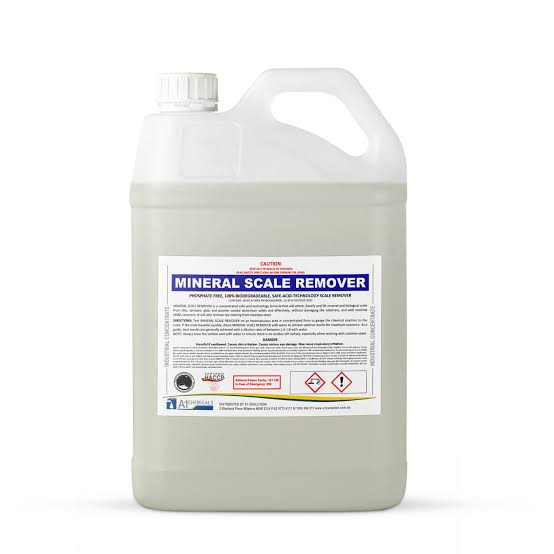
Inhibited low corrosion acids handle most industrial work safely. Uninhibited acid may clean quickly, but it can shorten equipment life more than the scale would.
3. Circulate the Solution, Do Not Just Soak
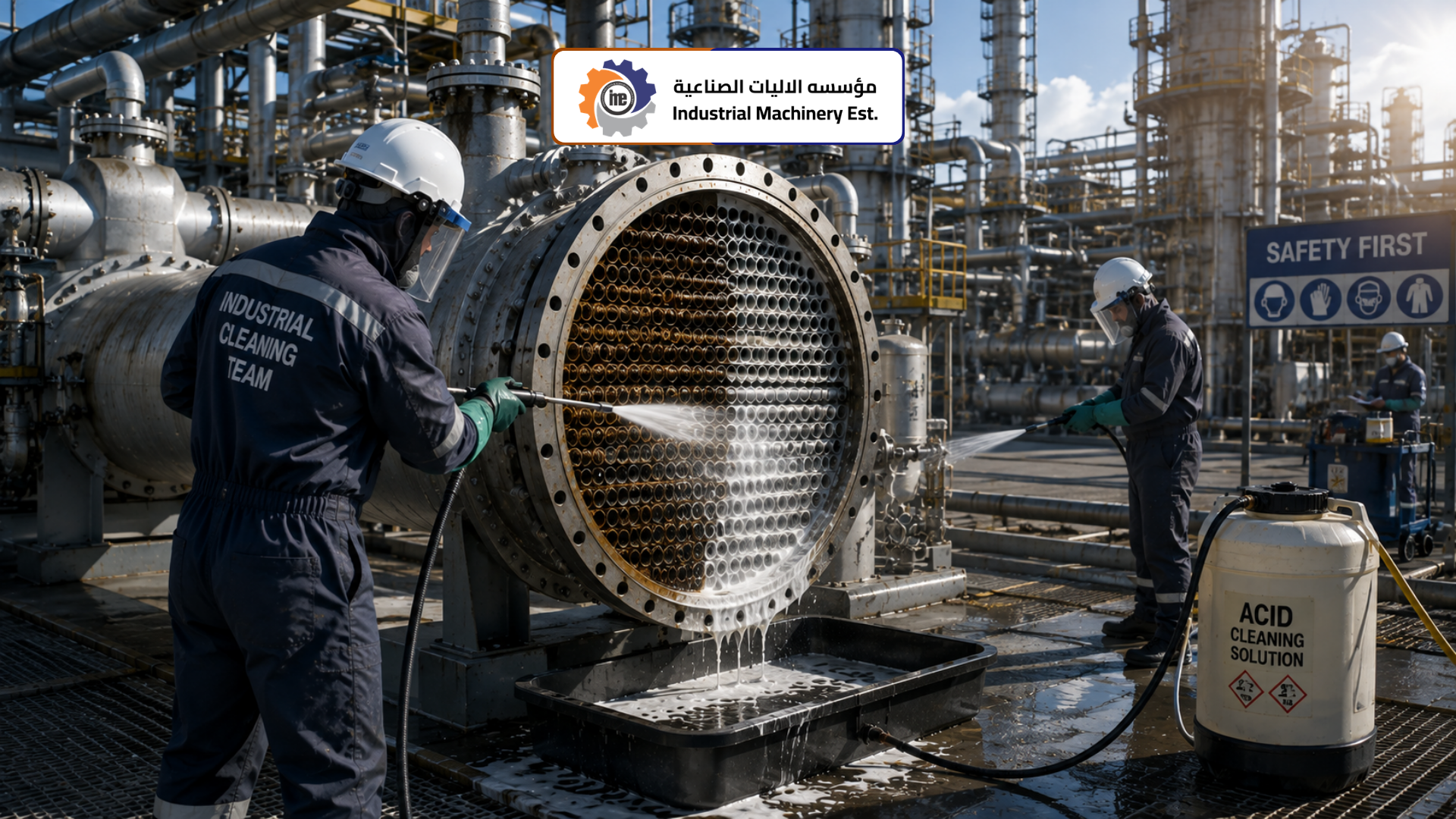
Static soaking is not real mineral scale removal, because it only reaches the outer layer. Circulation strips deposits layer by layer and carries solids away before they block narrow passages. Isolate the unit, connect hoses so solution enters low and leaves high, and fill the system completely.
Most mineral scale removal jobs run for several hours. Track pH as you go. When the pH stops dropping and the foaming settles, the reaction is finished and the deposit is gone.
4. Flush, Neutralise and Inspect
Never leave acid sitting inside a cleaned system. Drain it, flush with clean water, then neutralise until the discharge is safe to handle. Every mineral scale removal job produces waste that must be treated before disposal.
Then inspect. Borescope the tubes, check flow rates, and record fresh baselines. If some areas stay blocked, mechanical cleaning with brushes or high pressure water may be needed to complete the mineral scale removal.
5. Stop the Scale From Coming Back
Mineral scale removal is only half the work. Control feed water quality with softening, filtration or reverse osmosis. Dose scale inhibitors where the process allows. Keep a daily log of temperature difference and pressure drop, because slow drift is your earliest warning.
Good water treatment stretches the gap between one mineral scale removal cycle and the next, and that gap is where the real savings sit.
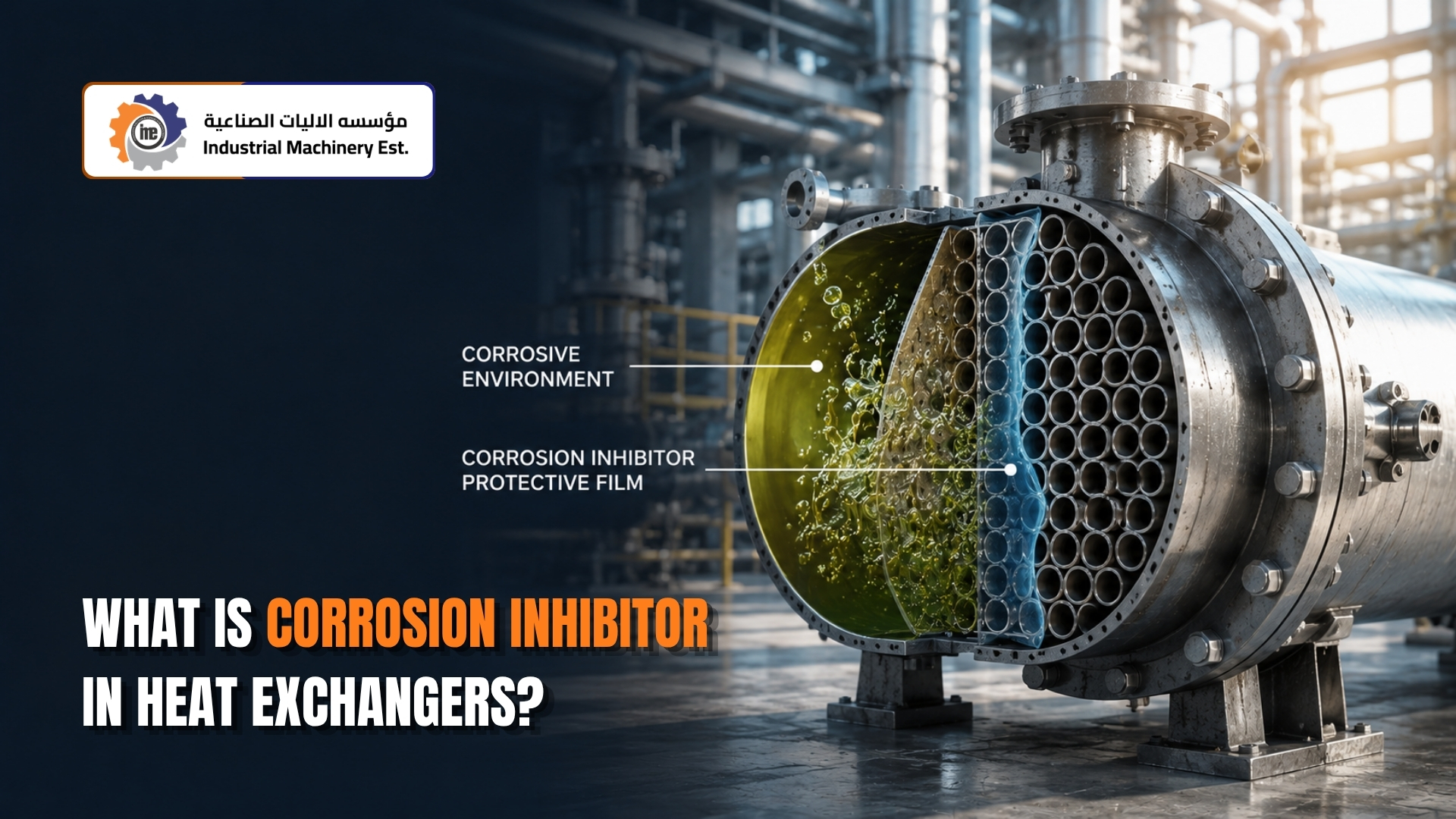
Must Read: What is Corrosion Inhibitor in Heat Exchangers?
Mistakes That Waste Time and Money
Even experienced teams lose results to small errors:
- Using one product for every type of deposit
- Skipping isolation and letting solution reach the wrong lines
- Ending the job before pH readings level off
- Keeping no record of what was cleaned and when
Any of these turns a routine mineral scale removal into repeat work within months.
Simple Takeaway
Treat mineral scale removal as a planned routine with five clear stages. Know your deposit, choose a compatible chemical, circulate it long enough, flush and check the result, then protect the system with better water control. Equipment cleaned this way runs cooler, burns less energy and lasts far longer.