Rising fuel bills, a reactor that refuses to hold temperature, and unplanned shutdowns usually trace back to one asset quietly doing less work than it should. Teams check pumps and valves first, while the real issue sits inside a tube bundle.
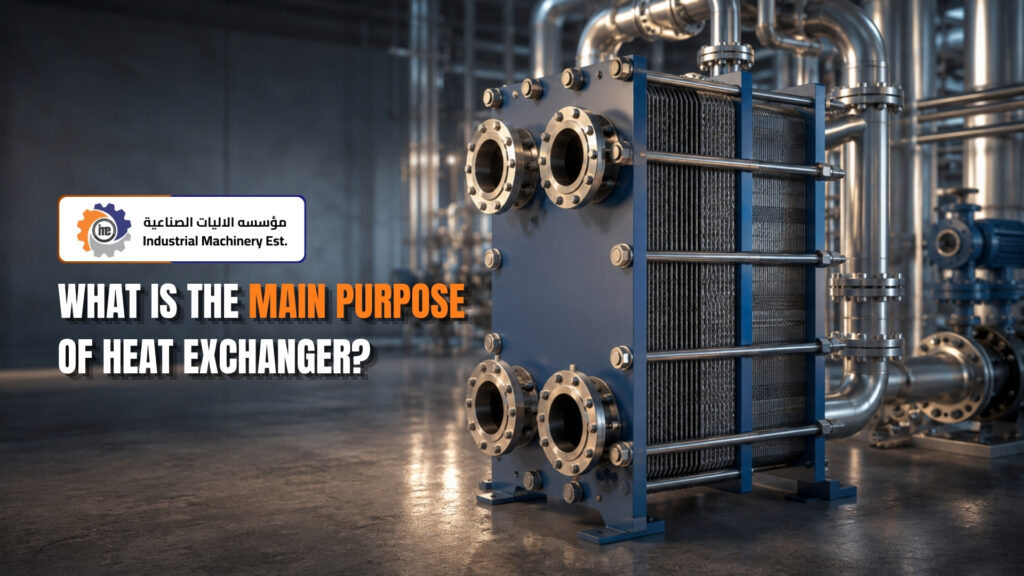
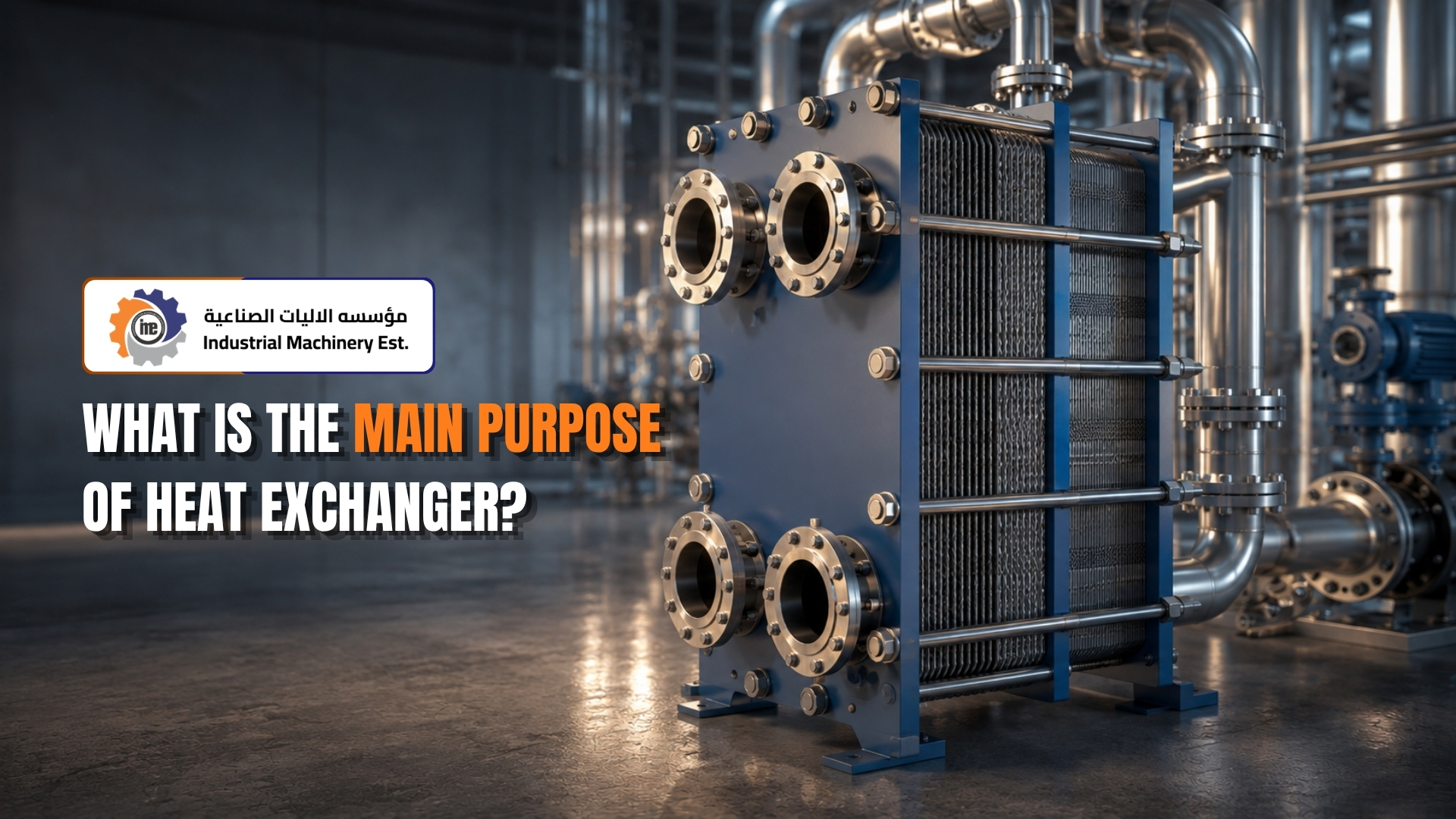
The main purpose of a heat exchanger is simple, it moves thermal energy from one fluid to another without letting those fluids mix, so a process stays at the exact temperature it needs. That single job protects assets, cuts energy waste, and keeps output steady. Read on for the full picture, including how the transfer happens and why performance slips.
Heat Exchanger Services in Jubail
The Core Job in Plain Words
Every industrial process has a temperature it must hold. Too hot and you risk product damage, coking, or a safety incident. Too cold and reactions stall and yield drops. A heat exchanger sits between those extremes as the control point, pulling heat from a stream that has too much and giving it to a stream that needs more.
The main purpose of heat exchanger never mixes the two fluids. A metal wall, usually tubes or plates, separates them while still letting thermal energy pass through. That separation matters because the fluids are often incompatible. Cooling water and crude oil must never meet, yet they can still trade heat safely.
How the Transfer Actually Happens
Heat always travels from a hotter substance to a cooler one. The design of a heat exchanger gives that movement as much surface area and contact time as possible. Two streams enter the heat exchanger through separate channels, run alongside each other, and leave at new temperatures.
Three factors decide how much energy moves across: the temperature difference between streams, the surface area available, and how clean that surface is. Engineers set the first two at the design stage. The third is a maintenance issue, and it is where most units lose ground.
Four Reasons Plants Depend on Heat Exchangers
Energy recovery.
Hot product leaving a column can preheat cold feed entering it, which cuts furnace fuel directly.
Process control.
Reactors, distillation towers, and dryers need stable temperatures to deliver consistent quality.
Equipment protection.
Compressors, turbines, and lube oil systems fail fast when running hot, so heat exchanger duty keeps them alive.
Safety.
Runaway reactions and overpressure events often begin with lost heat exchanger capacity.
Where You Will See Them at Work
| Sector | Where It Sits | What the Heat Exchanger Does |
| Refineries | Preheat trains | Recovers energy from product streams before crude reaches the furnace |
| Petrochemical plants | Condensers and reboilers | Keeps separation columns balanced |
| Power stations | Steam cycle | Turns exhaust steam back into boiler feedwater |
| Utilities | Cooling water, chillers, air compressors, seawater services | Runs continuous cooling duty around the clock |
A single unit may hold dozens of heat exchangers, which is why reliability teams track each one closely.
Also Read: What Causes Scale Formation in Heat Exchangers?
When the Purpose Starts to Slip
Fouling is the main enemy of any heat exchanger. Scale, biological growth, corrosion products, and process deposits build a thin insulating layer on the metal surface. Even a thin deposit pushes fuel consumption up across the unit.
| Warning Sign | What It Means | What to Do |
| Rising pressure drop | Deposits are narrowing the flow path | Check fouling level and plan cleaning |
| Outlet temperature off design | Heat transfer across the surface is falling | Inspect the tube bundle or plate pack |
| Higher utility consumption | Extra fuel is covering the shortfall | Review duty against design figures |
| All three together | The heat exchanger has lost its purpose | Clean or inspect, do not adjust elsewhere |
Protecting Thermal Performance
Restoring a fouled heat exchanger costs far less than running at reduced throughput. Chemical cleaning, hydro jetting, tube inspection, and retubing bring capacity back. Planned heat exchanger maintenance beats emergency shutdowns every time.
IME delivers heat exchanger cleaning, inspection, repair, and refurbishment services across Jubail and the Eastern Province, keeping every heat exchanger on site performing exactly as designed.
Also check our Oil Chemical Spill Kits