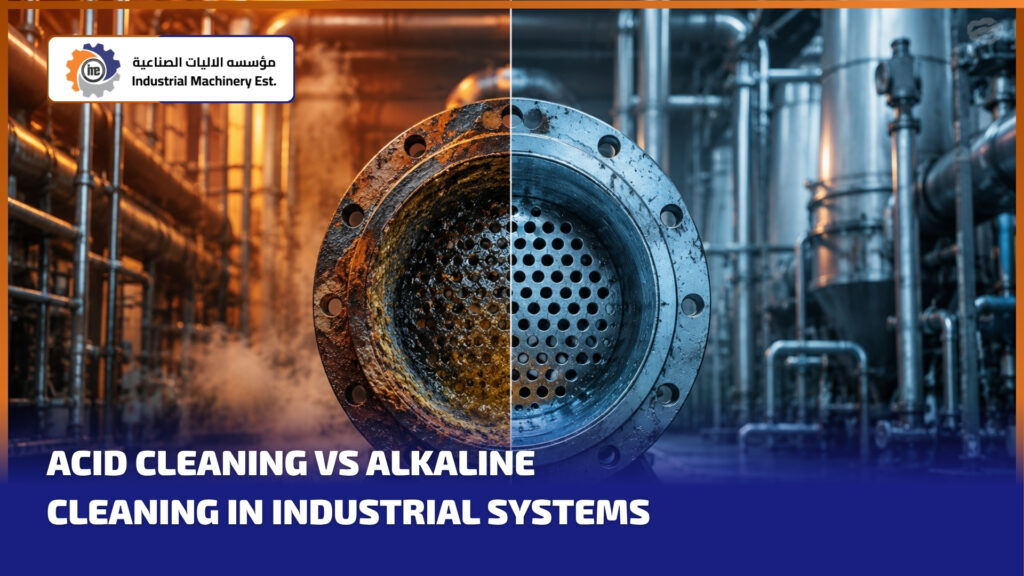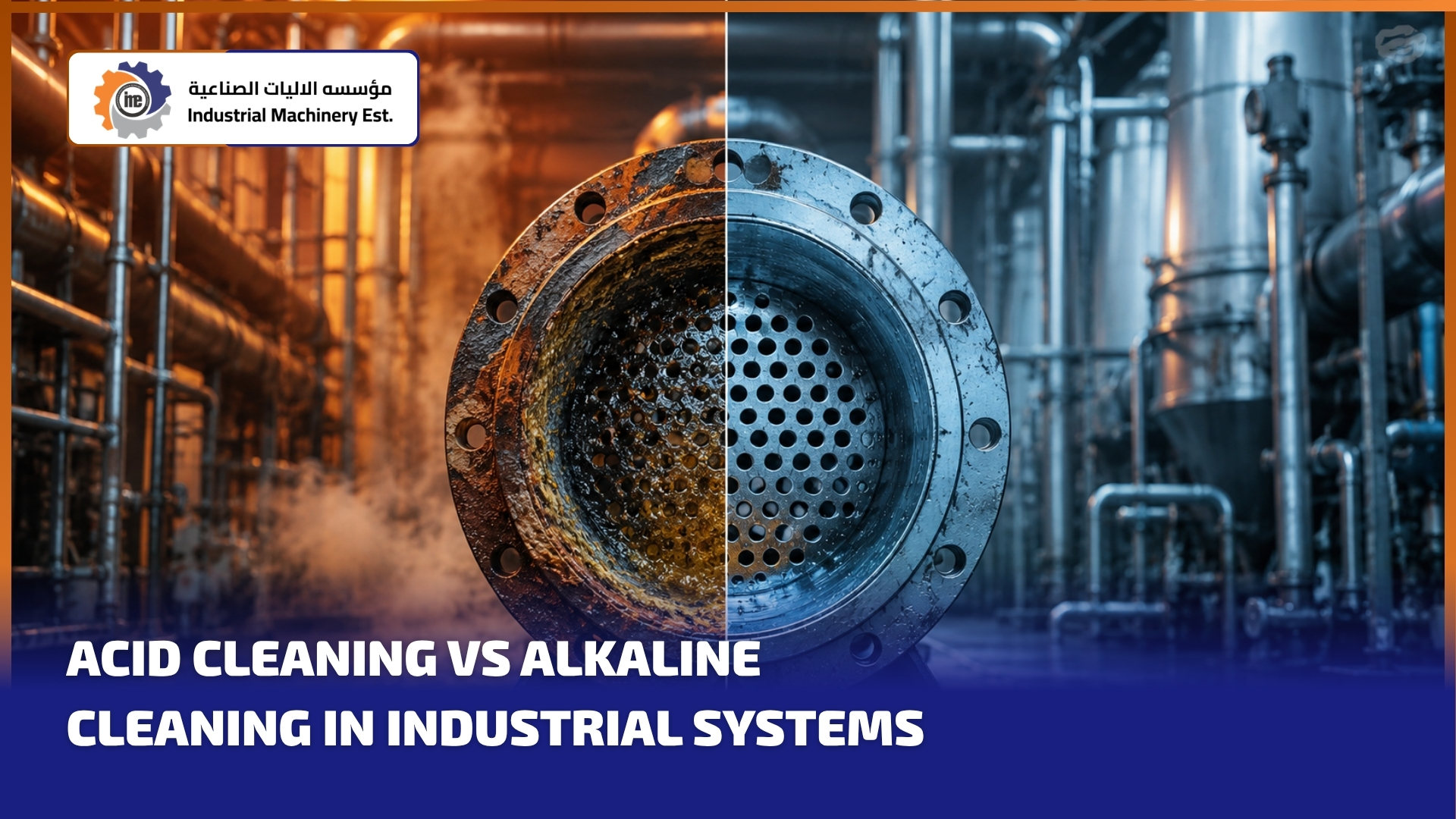
Scale deposits are choking your heat exchanger. Grease keeps building up faster than your team can remove it. The cleaning chemical damaged an expensive metal surface because nobody checked compatibility first.
These are the frustrations plant operators face when the wrong cleaning method is selected. The choice between acid cleaning and alkaline cleaning decides whether fouling disappears in one shift or keeps returning every month.
Simply here we explains how both methods work, what each one removes, and how to pick the right option for your industrial systems with confidence.
What Is Acid Cleaning?
Acid cleaning uses low pH chemical solutions, usually between 0 and 6, to dissolve inorganic deposits from metal surfaces. Common chemicals include hydrochloric acid, citric acid, phosphoric acid, and sulfamic acid. Each acid is selected based on the type of deposit, the base metal, and the operating history of the equipment.
The method works because acids react with mineral based fouling and convert it into soluble compounds that rinse away with water. Acid cleaning is the standard answer for:
- Hard water scale and calcium carbonate deposits
- Rust and iron oxide layers on steel
- Mill scale left behind after fabrication and welding
- Mineral buildup inside boilers, pipelines, and heat exchangers
What Is Alkaline Cleaning?
Alkaline cleaning sits on the opposite end of the pH scale, typically between 8 and 14. These solutions are built around sodium hydroxide, potassium hydroxide, or sodium carbonate, often blended with surfactants that help lift soils off the surface.
Instead of dissolving minerals, alkaline cleaning breaks down organic contamination. The chemistry saponifies fats and emulsifies oils, turning them into a washable mixture that flows out with the rinse water. Typical targets include:
- Oil, grease, and lubricant films on process equipment
- Production residues in food, beverage, and pharma plants
- Light carbon deposits and soot
- Protein based soils and biological matter
Acid Cleaning Vs Alkaline Cleaning: The Core Difference
The simplest rule to remember is this: acid cleaning removes inorganic deposits, while alkaline cleaning removes organic soils. Scale, rust, and minerals respond to acids. Grease, oil, and proteins respond to alkalis. Using the wrong chemistry wastes time, money, and chemicals because the deposit simply will not react.
Here is how the two methods compare side by side:
- pH range: Acid cleaning operates below 7, while alkaline cleaning operates above 7
- Target deposits: Acids attack scale, rust, and mineral fouling; alkalis attack grease, oil, and organic residue
- Corrosion behavior: Acids can attack the base metal if left uninhibited; alkalis are gentler on steel but dissolve aluminum
- Waste handling: Both spent solutions must be neutralized before safe disposal
When Acid Cleaning Is the Right Choice
Choose acid cleaning when the problem is mineral based. Boilers losing efficiency due to waterside scale, heat exchangers fouled with calcium deposits, and pipelines restricted by rust are all classic acid cleaning applications. It is also central to pre commissioning work, where new systems are pickled and passivated before startup.
One caution applies. Strong acids can corrode the base metal along with the deposit. Professional teams control this risk by adding corrosion inhibitors, monitoring contact time, and rinsing and neutralizing the system thoroughly. Any acid left behind can restart corrosion, so a proper final rinse is not optional.
Also Read: Why Petrochemical Plants Are Moving Toward Sustainable Cleaning Technologies
When Alkaline Cleaning Is the Right Choice
Alkaline cleaning is the better option when equipment is coated with oil, grease, or process residue. Degreasing before inspection or maintenance, clean in place programs in food and beverage plants, and surface preparation before coating are everyday examples. Because alkalis are less corrosive to steel, they are also safer for long soak times.
There are limits to watch. Strong alkaline solutions attack aluminum, zinc, and some soft metals, and they cause serious skin and eye injuries if handled without protection. Trained handling and correct dosing matter just as much here as they do with acids.
Can You Use Both Methods Together?
In real industrial systems, deposits are rarely pure. A heat exchanger may carry an oily film sitting on top of hardened scale. In these cases, a two stage program delivers the best result. An alkaline cleaning stage removes the grease first, exposing the mineral layer underneath. An acid cleaning stage then dissolves the scale completely.
Running the stages in this order matters. Oil films block acid contact with the deposit, so skipping the degreasing step often leads to a failed acid stage and a repeat job. A short neutralizing rinse between stages protects the metal and keeps the chemistry stable.
Safety and Environmental Considerations
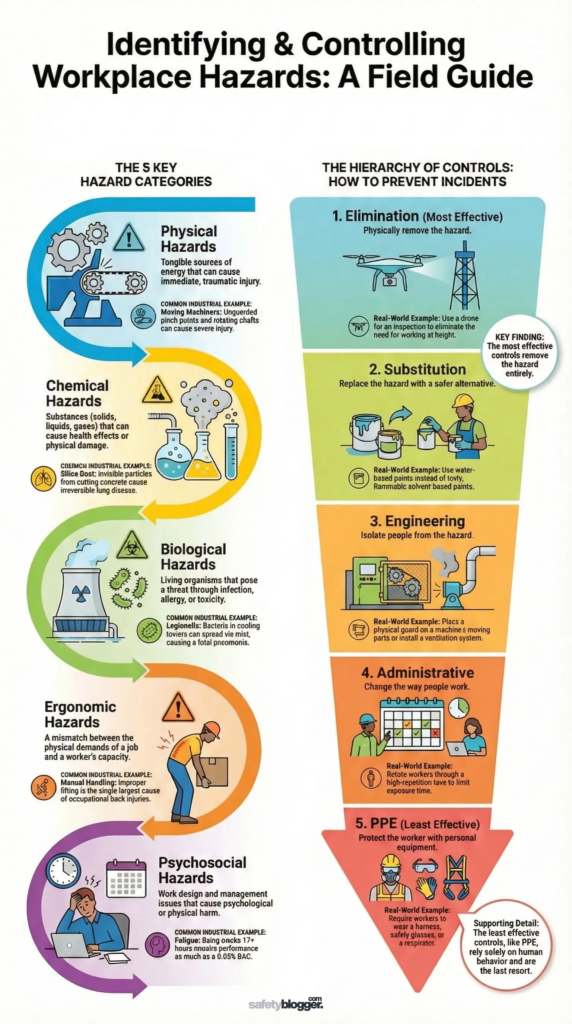
Both chemistries demand respect. Every acid cleaning or alkaline cleaning job should include proper PPE, ventilation, spill containment, and emergency washing stations. Spent solutions must be neutralized and disposed of according to local environmental regulations, which is a significant task when large volumes are involved.
Material compatibility checks come first, every time. Confirm the metallurgy of the system, review the deposit analysis, and select the chemical, concentration, temperature, and contact time accordingly. This is where an experienced industrial cleaning contractor adds real value over a trial and error approach.
Final Thoughts
There is no winner in the acid cleaning vs alkaline cleaning debate. Each method solves a different problem, and the right choice depends on an accurate diagnosis of the deposit, the metallurgy, and the operating conditions of your system.