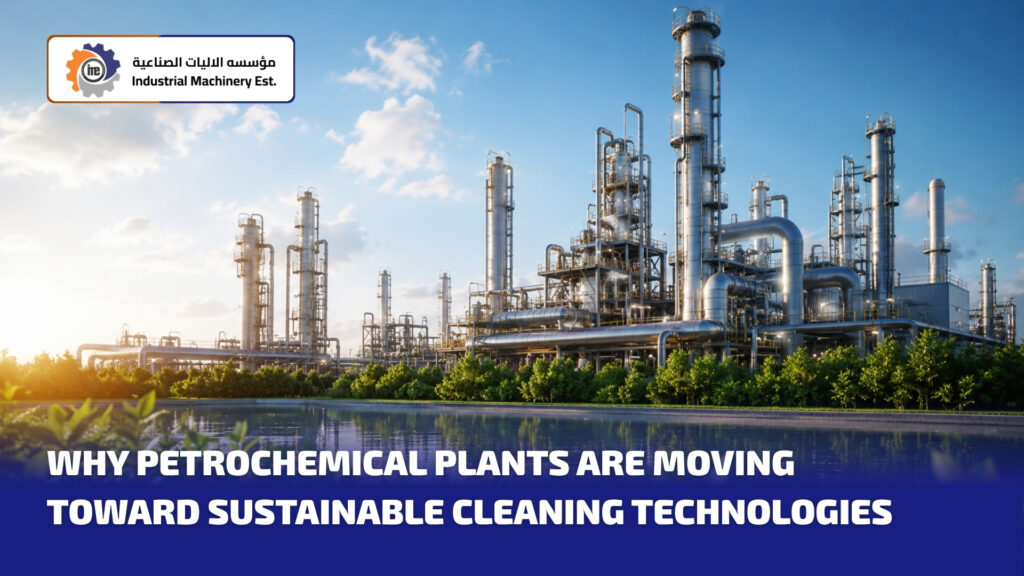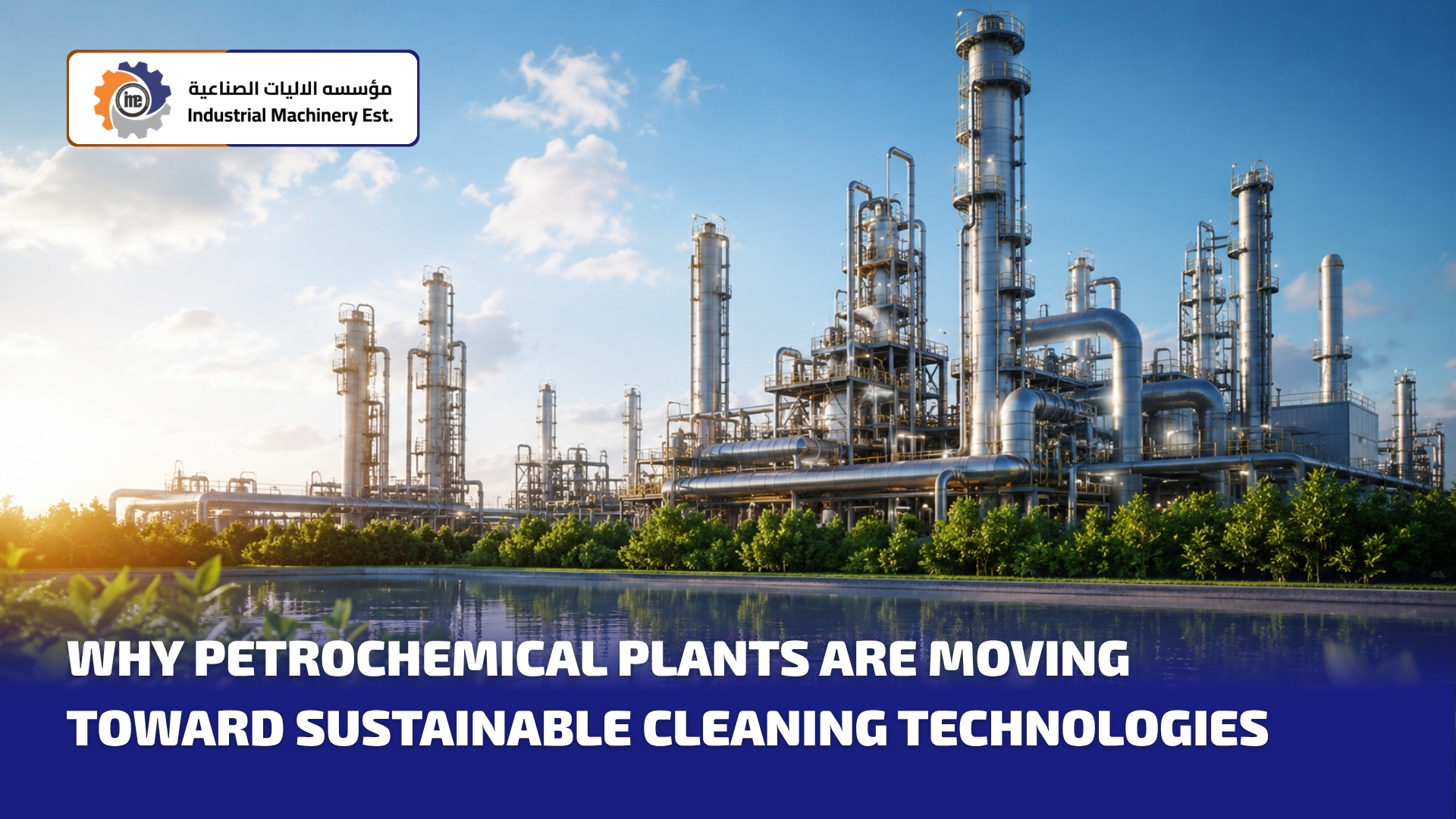
Fouled heat exchangers, hazardous chemical waste, long shutdowns, and rising compliance costs are draining budgets across the petrochemical industry.
Traditional cleaning methods solve one problem and create three more: toxic effluent, worker exposure, and wasted water. That is why plant managers are now turning to sustainable cleaning technologies that clean better, cost less over time, and keep regulators satisfied.
Let’s learn what these technologies are, why the shift is happening, and how your facility can make the move without disrupting operations.
The Real Cost of Conventional Cleaning Methods
Petrochemical plants have relied on harsh solvents, aggressive acids, and water-heavy methods for decades. These methods remove fouling, but they leave behind large volumes of hazardous waste that is expensive to treat and dispose of.
There are also hidden costs. Worker exposure to toxic fumes increases safety risks and insurance liabilities. Long confined space entries stretch turnaround schedules. And every extra day of downtime in a petrochemical plant can cost hundreds of thousands of dollars in lost production. Water consumption is another growing concern, especially in regions where every cubic meter counts.
What Are Sustainable Cleaning Technologies?
Sustainable cleaning technologies are cleaning methods designed to deliver the same or better results while reducing environmental impact, water consumption, chemical waste, and safety risks. The goal is simple: clean equipment effectively without harming people, the plant, or the environment.
These technologies typically share a few common features:
- Biodegradable chemistries that break down safely in wastewater treatment systems
- Closed-loop systems that recycle water and cleaning agents instead of discharging them
- Lower-temperature processes that cut energy use
- Reduced manual entry, keeping workers out of confined spaces
Check Our Other Articles like: How Chemical Cleaning Improves Efficiency in Oil & Gas Operations
Key Sustainable Cleaning Technologies Gaining Ground
Several proven options are already being used in refineries and petrochemical facilities across the world:
- Eco-friendly chemical cleaning (CIP): Clean-in-place systems circulate biodegradable cleaning agents through heat exchangers, boilers, and piping. Fouling is removed without dismantling equipment, and the spent solution can often be treated on site.
- High-pressure water jetting: Modern jetting units use recycled water and automated tooling, cutting both water consumption and worker exposure.
- Ultrasonic cleaning: Sound waves remove stubborn deposits from precision components using minimal chemicals.
- Vapor-phase decontamination: Low-volume vapor treatments decontaminate entire units faster than traditional steam-out, reducing energy use and emissions.
Why Plants Are Making the Switch
The move toward sustainable cleaning technologies is not driven by environmental goodwill alone. It is a business decision with measurable returns.
Lower disposal costs. Biodegradable cleaning agents produce effluent that is easier and cheaper to treat, reducing hazardous waste volumes significantly.
Faster turnarounds. Methods like CIP chemical cleaning and vapor decontamination shorten shutdown windows, getting units back online sooner.
Improved safety. Less manual cleaning means fewer confined space entries and less exposure to toxic chemicals, which directly reduces incident rates.
Regulatory compliance. Environmental regulations in Saudi Arabia and worldwide are tightening. Plants using sustainable cleaning technologies stay ahead of discharge limits and audit requirements.

The Role of ESG and Vision 2030
Sustainability is now a board-level priority. Major operators such as Saudi Aramco and SABIC expect their contractors and service providers to demonstrate responsible practices. In the Kingdom, Vision 2030 has pushed environmental performance to the top of the industrial agenda. Buyers now request environmental data during vendor qualification, and cleaning practices are part of that review.
Industry experts predict that by 2030, industrial cleaning will be judged not only on effectiveness but also on environmental footprint, worker safety, and contribution to decarbonization goals. Plants that adopt sustainable cleaning technologies early will find it easier to win contracts, pass audits, and meet ESG reporting requirements.
How Petrochemical Plants Can Start the Transition
Switching does not require replacing everything overnight. Most facilities begin with a phased approach that proves the value first, then expands from there:
- Audit current cleaning practices to identify the biggest sources of waste, water use, and downtime
- Pilot one technology, such as eco-friendly chemical cleaning on a single heat exchanger bank
- Measure results against cost, turnaround time, and effluent quality
- Scale gradually across other units and cleaning applications
Working with an experienced industrial cleaning partner makes this transition smoother. Industrial Machinery Est. (IME), based in Jubail Industrial City, has supported petrochemical, refining, and power facilities across Saudi Arabia for more than 30 years. As an approved vendor for Saudi Aramco, SABIC, Tasnee, and Marafiq, IME delivers chemical cleaning (CIP) and mechanical cleaning services designed around safety, efficiency, and environmental responsibility.
Final Thoughts
The petrochemical industry is under pressure to produce more while polluting less. Cleaning operations, once treated as routine maintenance, are now a real opportunity to cut costs, protect workers, and meet environmental targets.
Sustainable cleaning technologies deliver on all three. They reduce waste, shorten downtime, and align plant operations with the compliance and ESG expectations shaping the industry’s future. For petrochemical plants in Saudi Arabia and beyond, the question is no longer whether to make the switch, but how soon.