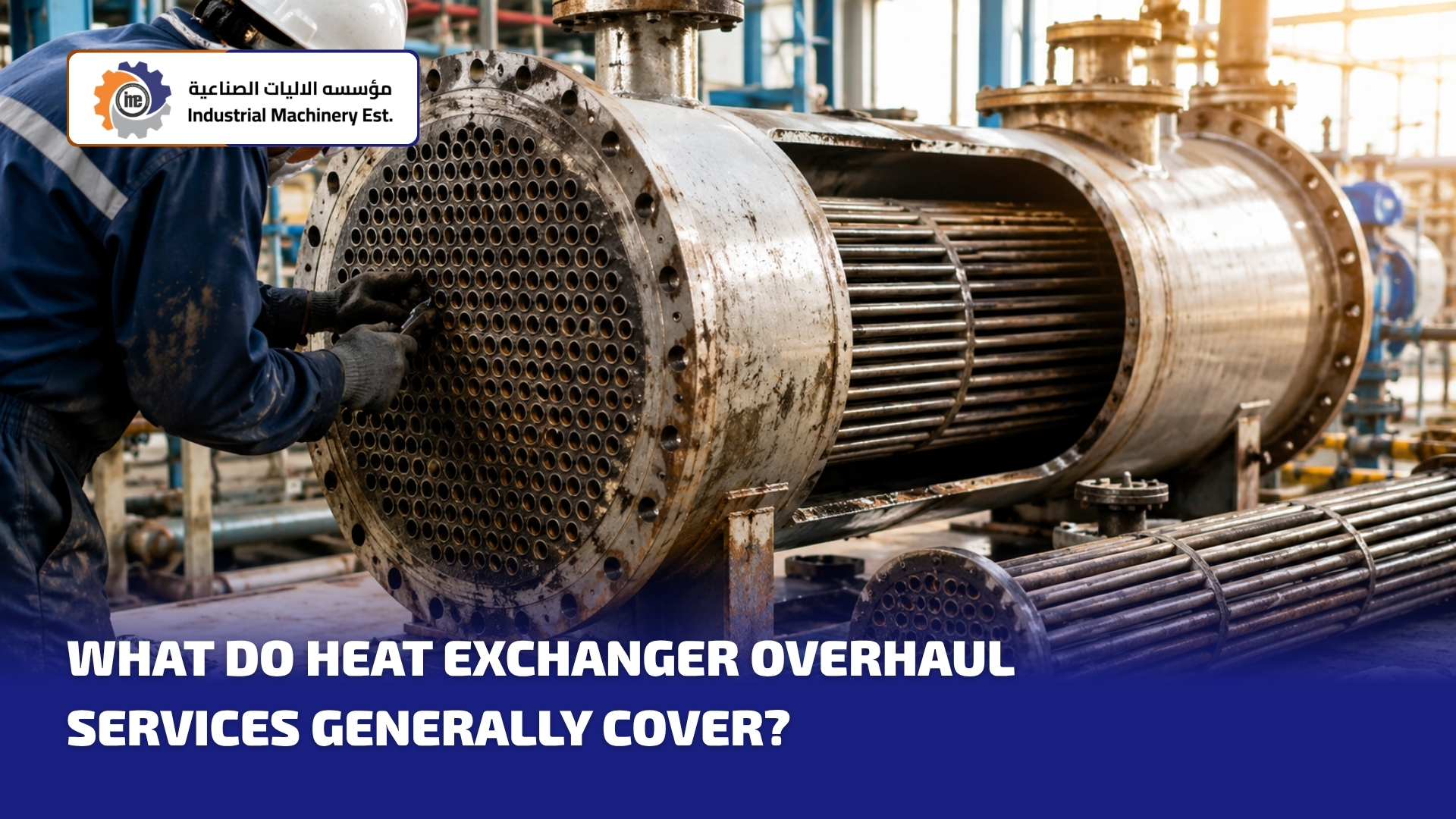
A fouled or leaking heat exchanger rarely fails politely. It creeps up on you: heat transfer drops, energy bills climb, pressure readings drift, and one day a critical unit forces an unplanned shutdown that costs thousands per hour in lost production.
Most plant teams know their exchangers need attention, but few are sure what a proper overhaul actually involves or where the hidden problems hide. Is it just cleaning the tubes? Does it include testing, re-tubing, or rebuilding?
This detailed guide breaks down exactly what heat exchanger overhaul services cover, step by step, so you can plan turnarounds with confidence, avoid surprise failures, and keep your thermal equipment running at peak efficiency for years to come.
Why Heat Exchangers Need a Full Overhaul
Over months of operation, every unit faces fouling, scaling, corrosion, and mechanical wear. These deposits act like insulation, choking heat transfer and forcing pumps and compressors to work harder. Left alone, the damage moves from lost efficiency to tube leaks, cross-contamination, and total failure. A complete heat exchanger overhaul restores the unit close to original specification, extends its service life, and protects you from the far larger cost of premature replacement.
Inspection and Diagnostic Assessment
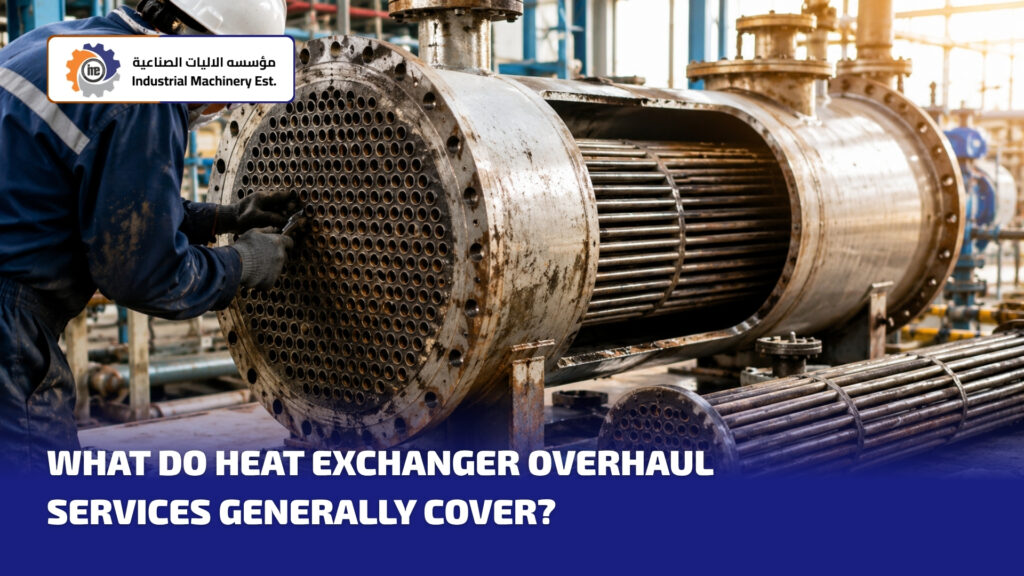
Good heat exchanger overhaul services always start with a thorough inspection, not a wrench. Technicians open the unit, study its drawings and design parameters, and look for trouble: tube thinning, pitting, cracking, under-deposit corrosion, and gasket damage. Visual checks, dimensional measurement, and non-destructive testing (NDT) help locate hidden defects before any repair begins. This diagnostic stage shapes the whole scope of work and gives you a clear, cost-based recommendation rather than guesswork.
Cleaning: Mechanical and Chemical
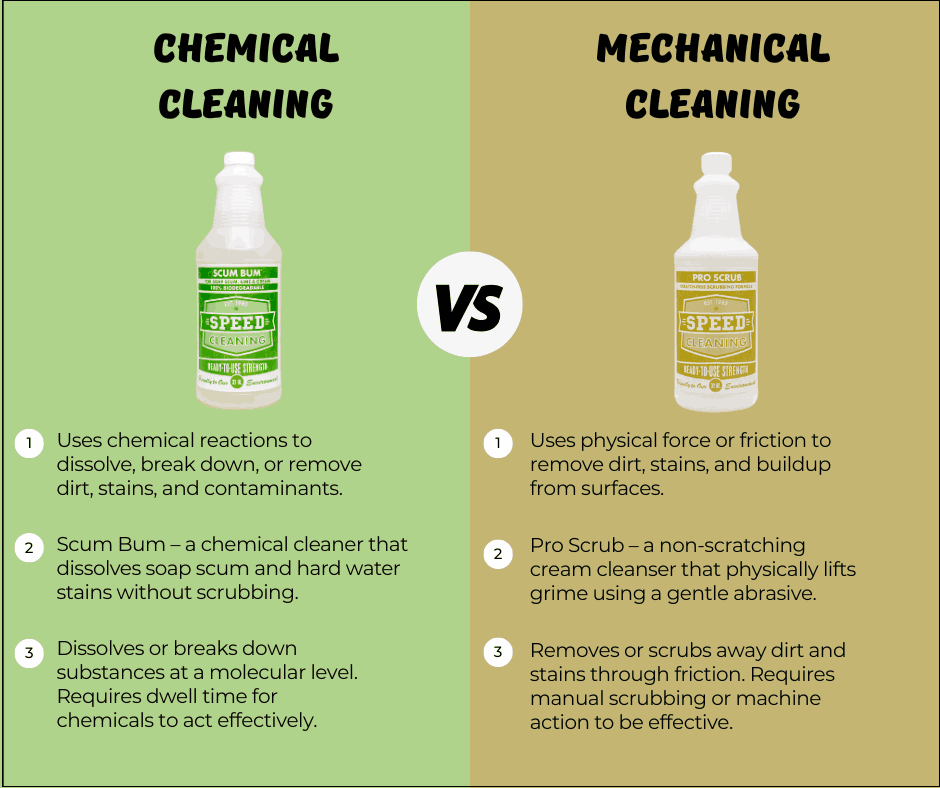
Cleaning sits at the heart of any heat exchanger overhaul. Deposits like scale, sludge, soot, and biological growth must be removed so the surfaces transfer heat properly again. Common methods include:
- Mechanical cleaning using brushes, scrapers, and air or water-propelled tools that clear tube fouling without damaging the metal.
- Hydrojetting (hydrolasing) with high-pressure water to blast away stubborn buildup.
- Chemical cleaning and CIP (Clean-In-Place), circulating cleaning solutions to dissolve foulants, sometimes without full disassembly.
The right method depends on the deposit type, the material, and how the unit is built.
Tube Repair, Plugging, and Re-Tubing
Tubes are the workhorses of the equipment, and they take the most abuse from thermal stress and corrosion. When a few tubes leak, technicians may plug them as a quick fix. When wear is widespread, full re-tubing (tube replacement) is the better long-term answer. A complete heat exchanger overhaul also covers tube sheet re-facing, tube expansion, and integrity testing to make sure every joint seals correctly under pressure.
Structural and Component Repairs
Beyond tubes, an overhaul addresses the body of the unit. This can include weld build-up on eroded or corroded areas, crack removal and re-welding to ASME standards, shell and bonnet repairs, nozzle replacement, and waterbox refurbishment. Gasket surfaces are re-machined for a clean seal, and bolts, nuts, and studs are de-rusted or replaced. These repairs restore the structural integrity needed for safe, high-pressure operation.
Reassembly, Gaskets, and Seal Replacement
Once repairs and cleaning are done, the unit is carefully rebuilt. Worn gaskets and seals are renewed, fasteners are torqued to specification, and seating surfaces are cleaned and checked. Proper reassembly is just as important as the repair itself, since a poor seal can undo all the work and cause leaks the moment the system is pressurized again.
Check Also: How To Check Heat Exchanger Remaining Life Assessment and Fitness-For-Service
Testing and Performance Verification
No heat exchanger overhaul is complete without testing. Technicians run pressure tests, vacuum or helium leak detection, and dye checks to confirm there are no internal leaks or cross-contamination. Performance is then verified against the unit’s design parameters. Only when the equipment passes these checks is it cleared to return to service, giving you confidence that it will perform reliably through the next operating cycle.
Preventive Maintenance Planning
The best providers do not stop at the repair. They help you set up a preventive maintenance schedule based on your operating conditions and budget. Regular inspections and planned cleaning keep fouling under control, reduce emergency breakdowns, and stretch the time between major overhauls. This shifts your plant from costly reactive fixes toward predictable, planned upkeep.
Choosing the Right Partner in Jubail
The quality of your heat exchanger overhaul depends heavily on who performs it. You want certified technicians, proper tooling, and root-cause thinking that fixes why a problem keeps happening, not just the symptom.
IME is the top heat exchanger cleaning and maintenance company in Jubail, delivering top-notch industrial services to the petrochemical, oil and gas, refining, and power sectors. With 30+ years of experience since 1990, 100+ major projects, and approved-vendor status with Aramco, SABIC, Tasnee, and Marafiq, IME provides complete inspection, cleaning, re-tubing, repair, and testing under one roof. Their skilled teams minimize downtime and restore your equipment to peak performance.
Final Thoughts
A proper heat exchanger overhaul covers far more than a quick clean. It combines inspection, cleaning, tube and structural repair, careful reassembly, rigorous testing, and forward planning. Investing in professional heat exchanger overhaul services protects efficiency, safety, and your bottom line. When reliability matters, partner with experts like Industrial Machinery Est. to keep your critical thermal equipment running strong.