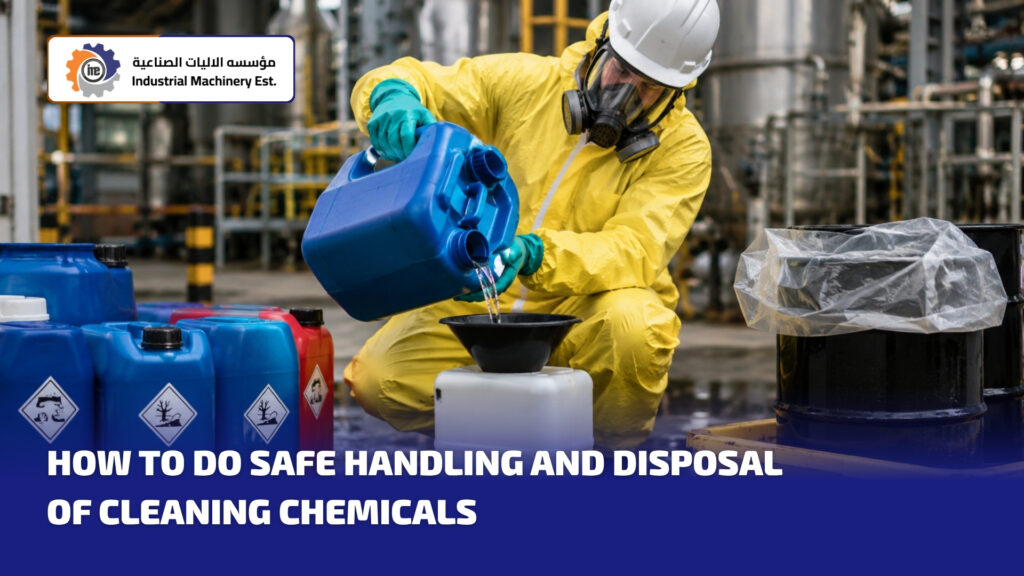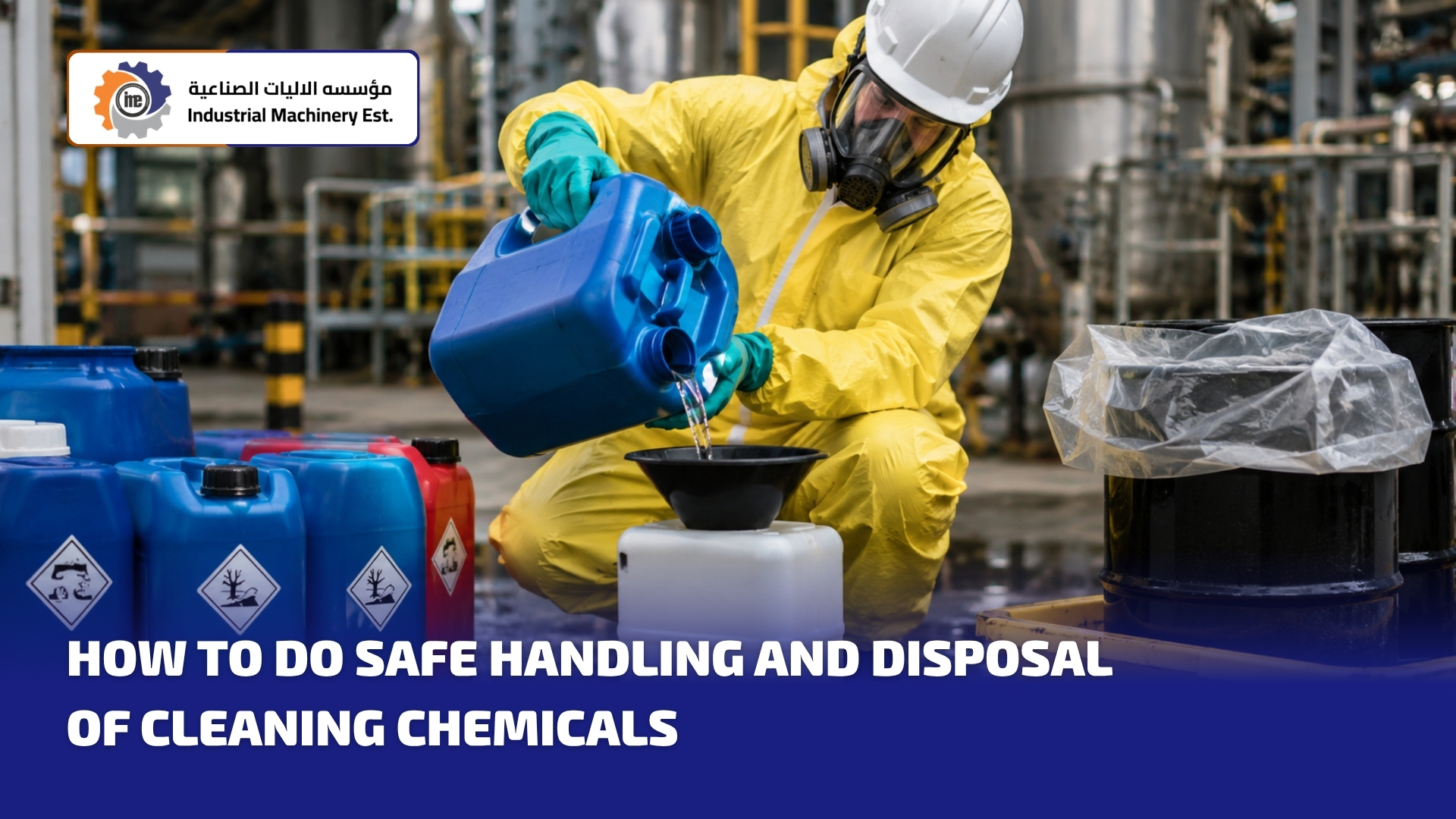
A splash of degreaser on unprotected skin. Toxic fumes from two products that should never have been mixed. Leftover solvent poured down a drain that later contaminates groundwater and triggers a regulatory fine.
These incidents happen in industrial facilities every single day, and almost all of them are preventable. Cleaning and custodial work consistently ranks among the more hazardous job categories, mainly because of chemical related accidents.
The problem is rarely the cleaning chemicals themselves. It is the gap in knowledge about how to handle, store, and dispose of them correctly. This article closes that gap.
You will learn how to read safety documentation, choose the right protective equipment, store products safely, avoid dangerous chemical combinations, and dispose of waste in a way that protects both people and the environment.
Why Safe Handling of Cleaning Chemicals Matters
Industrial cleaning chemicals include acids, alkalis, solvents, degreasers, and disinfectants. Each carries its own risks. Some are corrosive and burn skin on contact. Others release vapors that irritate the eyes, throat, and lungs. A few are flammable or react violently when mixed with incompatible substances.
The consequences of careless handling go beyond personal injury. Improper disposal of cleaning chemicals can contaminate soil and groundwater, harm aquatic life, damage piping systems, and expose your company to heavy fines. Safe practices protect workers, equipment, the environment, and your legal standing all at once.
Know Your Cleaning Chemicals Before You Use Them
Every chemical product comes with two critical sources of information: the product label and the Safety Data Sheet (SDS). Reading both before use is the single most effective safety habit you can build.
The label tells you the chemical name, hazard symbols, dilution instructions, and basic first aid steps. The SDS goes deeper, covering hazard identification, safe handling procedures, storage requirements, and disposal guidelines for that specific product.
Follow these basic rules at all times:
- Never transfer cleaning chemicals into unmarked bottles or food containers
- Keep original labels intact and replace any that are damaged or unreadable
- Store the SDS for every product where workers can access it quickly
- Train every team member to read hazard pictograms and signal words
Wear the Right Personal Protective Equipment while Safe Handling and Disposal of Cleaning Chemicals
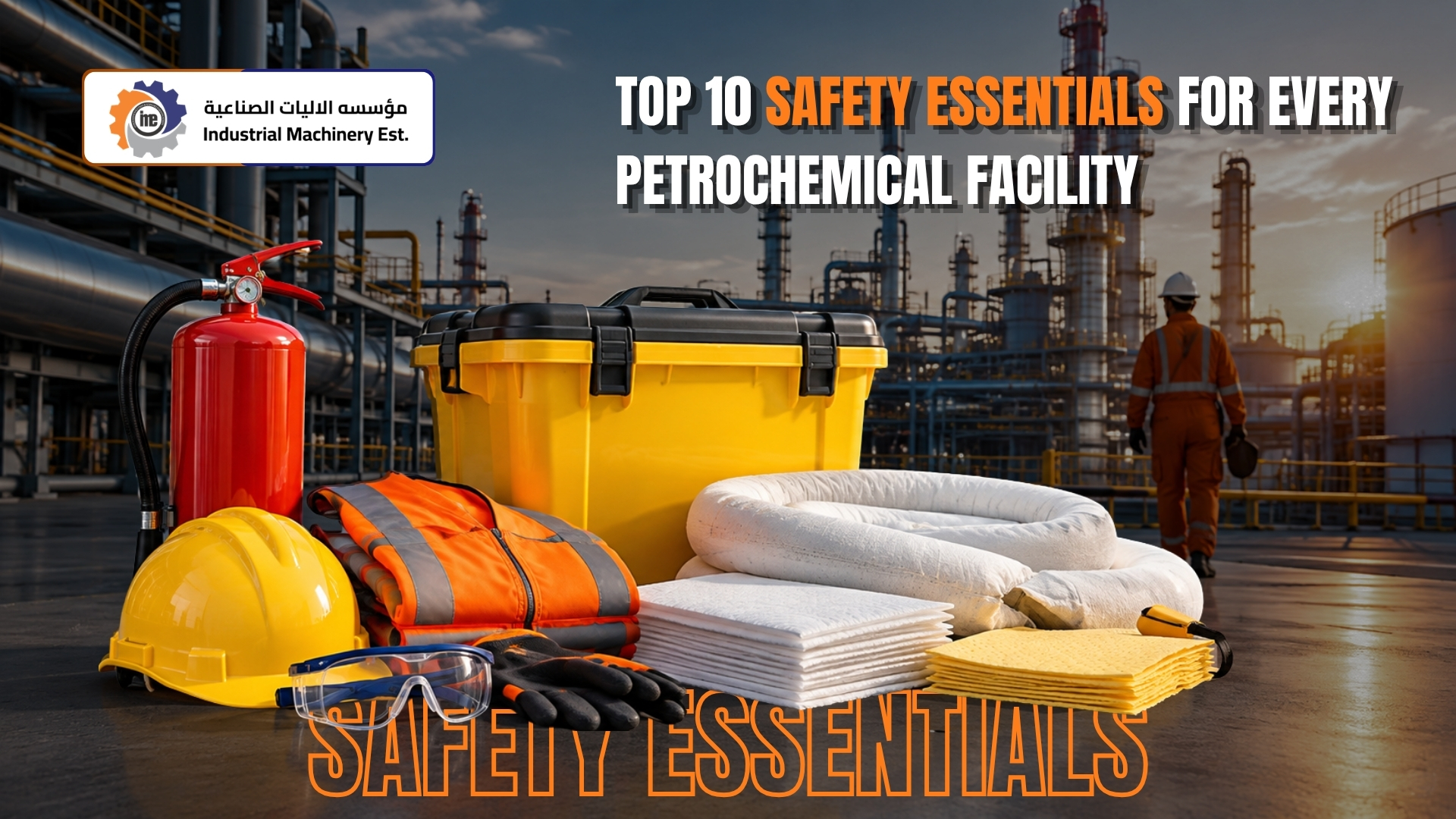
PPE is your first line of defense when handling cleaning chemicals. The right gear depends on the product, so always check the SDS for specific recommendations.
- Gloves: Nitrile or chemical resistant rubber gloves protect against burns and skin absorption
- Goggles or face shields: Essential when working with acids, caustics, or any product that can splash
- Respirators: Required for strong fumes or work in poorly ventilated spaces
- Aprons and boots: Recommended for large volume chemical cleaning operations
Inspect all PPE before each use and replace damaged items immediately. Dispose of single use gloves and masks properly after every task.
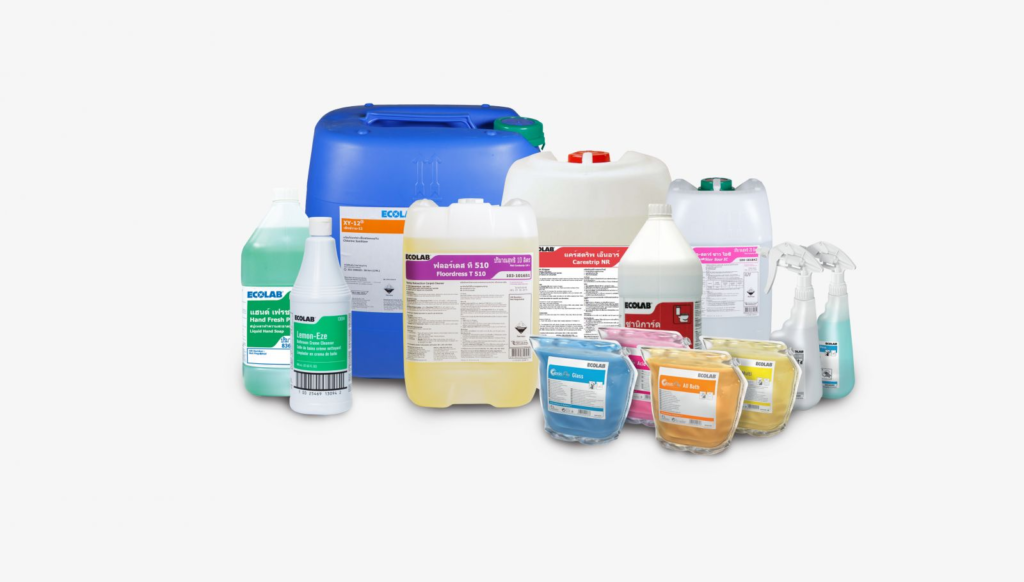
Store Cleaning Chemicals the Safe Way
Poor storage causes many preventable accidents. Chemicals degrade, leak, or react when kept in the wrong conditions. A safe storage area should be:
- Cool and dry, away from direct sunlight and heat sources
- Well ventilated, so fumes cannot build up in enclosed spaces
- Organized by compatibility, keeping oxidizers, acids, and flammables separated
- Secured, with flammable products locked in fire rated cabinets
Keep containers tightly sealed with spill proof caps, and store them at an accessible height so nothing gets knocked over. Review your inventory regularly. A good rule of thumb is to dispose of any cleaning chemicals that have gone unused for six months to a year.
Never Mix Incompatible Chemicals
Some of the most dangerous incidents happen when two ordinary products meet. Bleach mixed with ammonia produces toxic chloramine vapors. Bleach mixed with acids releases chlorine gas, which can be fatal in high concentrations. Even hydrogen peroxide and vinegar create an irritating peracetic acid.
Always dilute and mix cleaning chemicals in a ventilated area, use designated measuring equipment instead of guessing quantities, and never combine leftover products for disposal. When in doubt, keep every chemical separate.
Must Read: A Guide to Reactor and Column Chemical Cleaning
How to Dispose of Cleaning Chemicals Correctly
Disposal is where many facilities fall short. Pouring industrial cleaning chemicals down the drain or throwing them in general waste can pollute water systems and violate environmental regulations. Follow this approach instead:
- Check the label and SDS first. Disposal instructions are product specific.
- Identify hazardous waste. Solvents, strong acids, caustics, and spent chemical cleaning solutions usually require special handling.
- Use licensed disposal services. Certified hazardous waste contractors neutralize, treat, or contain chemicals in compliance with regulations.
- Keep chemicals in original containers with labels intact until they are collected.
- Document everything. Waste manifests and disposal records protect you during audits.
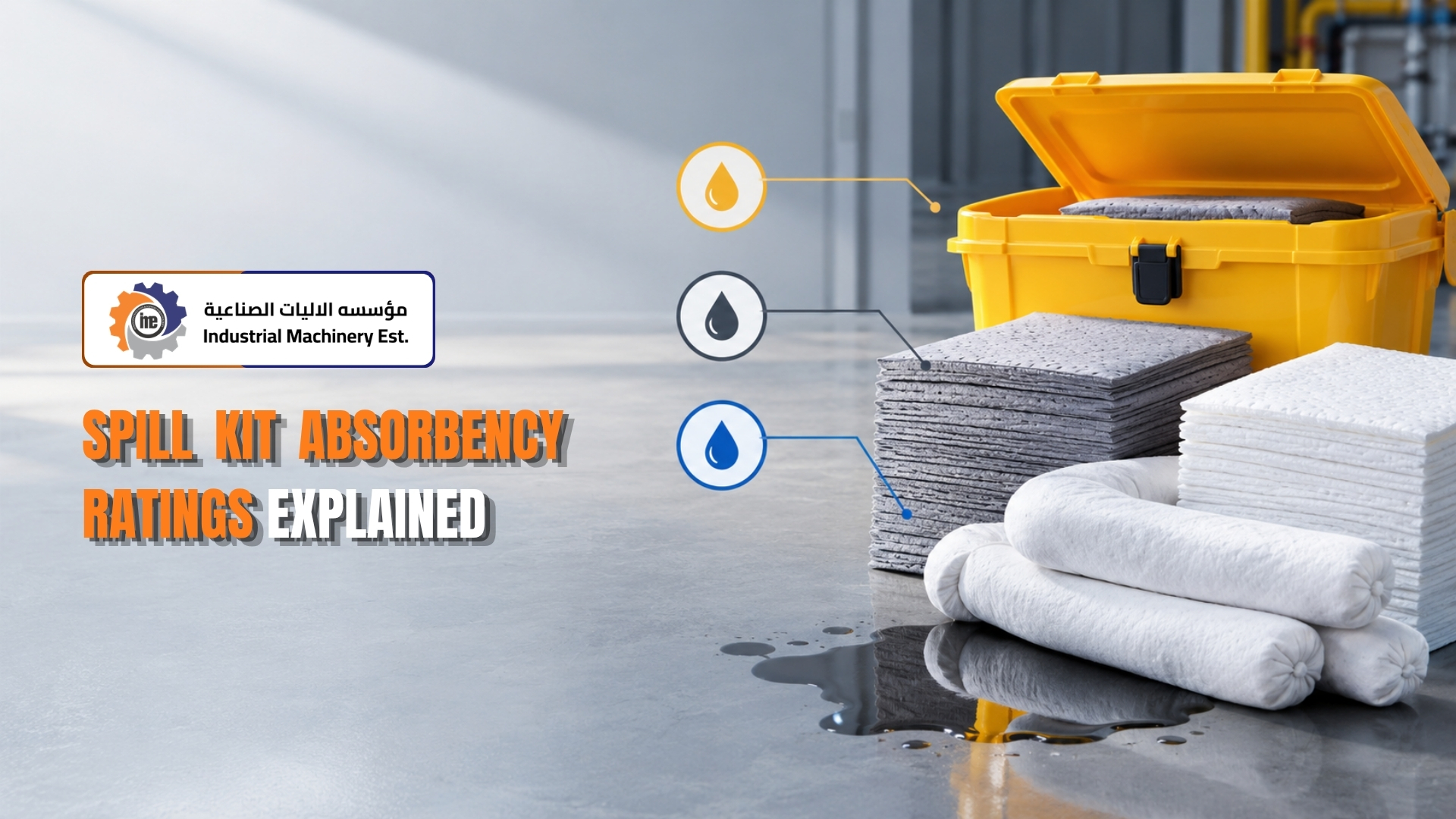
For spills, contain small releases with absorbent material and dispose of the waste per the SDS. For large spills, evacuate the area and follow your facility emergency protocol.
Final Thoughts
Safe handling and disposal of cleaning chemicals is not complicated, but it demands consistency. Read the SDS, wear proper PPE, store products correctly, never mix incompatible substances, and dispose of waste through approved channels. These habits prevent injuries, protect the environment, and keep your facility compliant.
At Industrial Machinery Est. (IME), our chemical cleaning teams follow strict handling, neutralization, and disposal procedures on every project, backed by over 30 years of experience serving Saudi Arabia’s industrial sector. If you need professional chemical cleaning carried out safely and in full compliance, contact us today.