Your heat exchanger runs hotter, pressure drop keeps climbing, and energy bills rise, yet nothing looks broken from the outside. The cause often sits between the plates, where a thin deposit slowly thickens until flow and heat transfer suffer.
This is what many teams call a growth plate in heat exchanger units: a plate surface where scale, sludge, or biofilm keeps building layer by layer. The short solution is early detection, proper fluid treatment, and timely cleaning before the layer hardens.
Want the detailed answer? Read the complete article below. 👇
Growth Plate in Heat Exchanger Systems
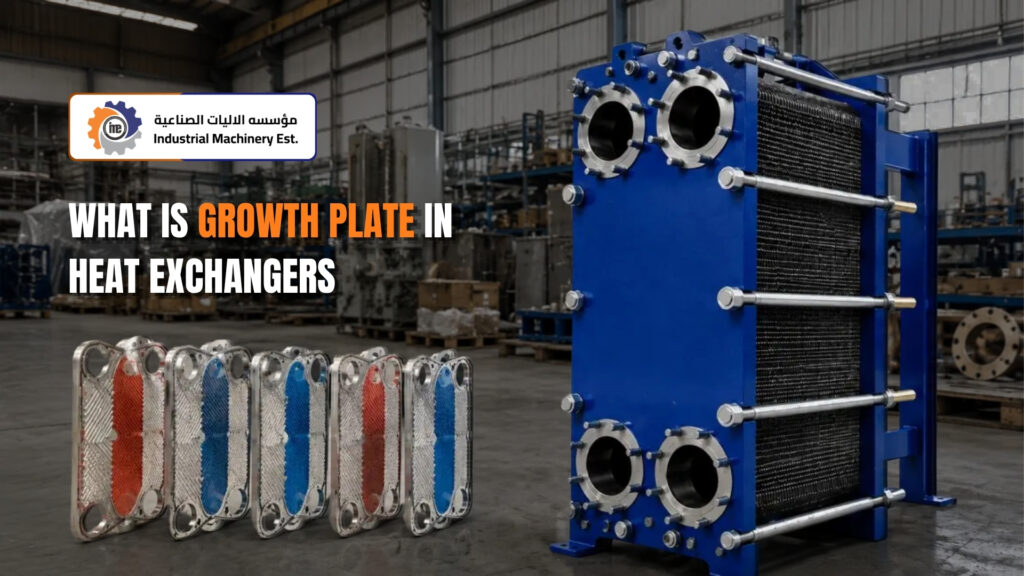
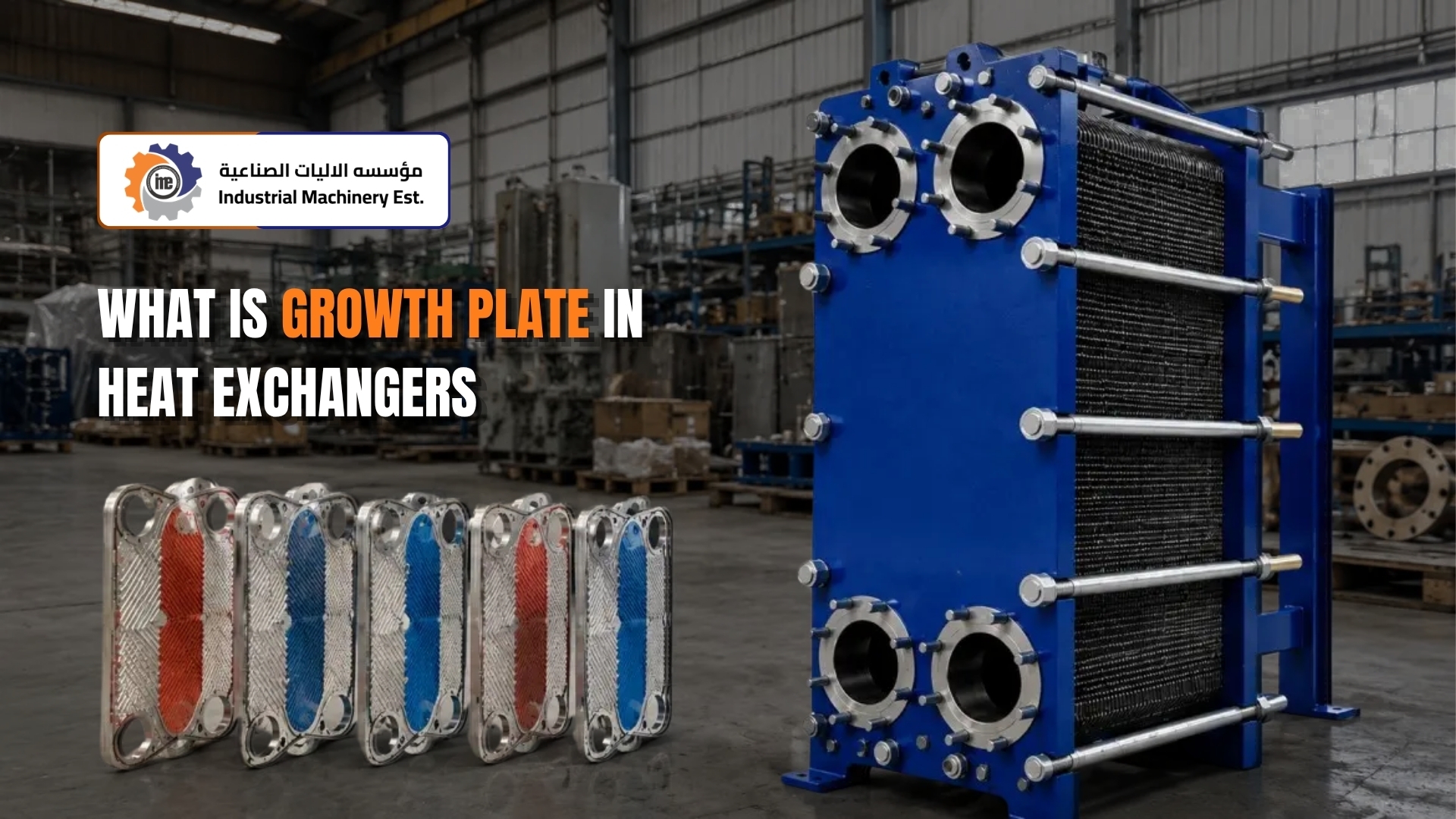
A growth plate in heat exchanger equipment is a heat transfer plate where unwanted material has started to build up and keep growing. The layer may look thin at first, but it thickens with every operating cycle.
Plates are designed to pass heat quickly between two fluids. A deposit acts like insulation, so the plate cannot do its job well. Each growth plate also narrows the flow channel, which pushes pressure drop higher.
How a Growth Plate Forms
Deposits build when conditions favor sticking over flushing away. Fluid flow constantly tries to wash material off the plate, so growth starts when deposition becomes faster than removal.
Common causes include:
- Hard water minerals that crystallize on hot plate surfaces
- Suspended solids that settle in low-flow zones
- Microbes that form a sticky biofilm
- Oil and process residue that bake onto the plate
- Corrosion products carried in from upstream piping
Low velocity, high wall temperature, and rough surfaces speed things up. Deposits often gather near plate contact points, where flow is weakest.
Common Types of Deposits on a Growth Plate
Not every growth plate looks the same. The deposit depends on your fluid and operating temperature.
- Scale: hard mineral layers such as calcium carbonate
- Biofouling: slimy layers made by bacteria, algae, or fungi
- Particulate fouling: sand, silt, and rust that settle on the plate
- Organic fouling: oil, grease, or polymer residue
Many plants see a mix of these. Mixed deposits are harder to remove, so identifying the type early helps you choose the right cleaning method.
Warning Signs of a Growth Plate
A growth plate rarely fails suddenly. It gives clear signals if you track your readings:
- Outlet temperature drops below the design value
- Pressure difference across the exchanger keeps rising
- Pumps use more power to hold the same flow
- Cleaning is needed more often than before
- Some plates feel much hotter or colder than others
Compare today’s readings with your commissioning data. Even a small drift is worth checking.
Why a Growth Plate Hurts Performance
Heat transfer drops first. Operators then raise flow or temperature to compensate, which wastes energy and speeds up further build-up.
Over time, deposits can also trap moisture against the metal and cause pitting under the layer. A neglected growth plate can lead to leaks, cross-contamination between fluids, and costly shutdowns.
How to Prevent a Growth Plate
Prevention costs far less than repair. Follow these steps:
- Filter the incoming fluid to remove solids before they reach the plates
- Treat the water with suitable scale and biocide programs
- Keep velocity healthy so flow can wash the surface
- Monitor temperature and pressure every shift and log the trends
- Plan regular inspections instead of waiting for performance loss
When to Clean a Growth Plate
Clean as soon as performance drifts, not after it collapses. Soft deposits often respond to simple flushing, while hard scale needs chemical cleaning or mechanical cleaning.
Always match the cleaning chemical to both the deposit and the plate material to avoid damage. If plates show deep pitting, cracks, or thinning, replacement is safer than another cleaning round.
Read More About >> Spill Kit Absorbency Ratings Explained
Final Thoughts
A growth plate in heat exchanger units is a slow problem that quietly drains efficiency. Watch your temperature and pressure trends, treat your fluids, and clean early. These habits keep plates healthy, protect your budget, and keep your process running without surprises.