A single missed step during chemical cleaning can shut down a plant. Acid burns, vapour building up inside a closed vessel, the wrong chemistry attacking tube walls, or spent solution reaching a drain it should never reach. Most of these incidents are not bad luck.
They come from weak planning, missing permits, and crews who were never trained for the job. Good chemical cleaning safety rests on three things: a written procedure matched to the metal, controlled isolation with live monitoring, and documented HSE compliance from start to finish. The sections below explain how each one works on site.
Why Chemical Cleaning Safety Fails More Often Than People Think
Chemical cleaning is not simply pumping acid through a system. It involves corrosive and sometimes flammable products, hot circulation, pressure, and equipment that may still hold hydrocarbons or hydrogen sulphide. When any of these variables is ignored, the risk multiplies fast.
Most failures trace back to the same short list. The chemistry was chosen without checking the metallurgy. Contact time ran longer than the procedure allowed. Isolation was assumed rather than verified. Nobody confirmed who was watching the gas detector. Every one of these is preventable through basic discipline.
The HSE Framework Behind Every Job
Chemical cleaning safety is not a certificate hanging on a wall. It is a set of behaviours that can be checked, one by one, before circulation starts. In Saudi Arabia, chemical cleaning compliance standards also include client HSE procedures from Aramco, SABIC, and Marafiq that sit on top of national regulations.
The core elements usually include:
- A job-specific risk assessment or JSA prepared before mobilisation
- A permit to work signed by the plant, covering hot work, confined space, and chemical handling where relevant
- Safety Data Sheets available on site for every product being used
- Trained personnel with valid certificates for the tasks assigned
- An emergency and rescue plan staged before work begins, not arranged afterwards
If a contractor cannot produce these documents on request, chemical cleaning safety on that job is already compromised.
Hazard Assessment Comes First
Before any chemical reaches the system, the scope has to be studied. That means confirming the material of construction, the deposit type, the volume to be filled, vent and drain points, and the condition of gaskets and seals. Hydrochloric acid on stainless steel or caustic on aluminium can cause damage costing far more than the cleaning itself.
The written procedure is the safety case. It should state the chemistry, concentration, temperature, circulation time, inhibitor used, and the pass criteria for each stage. Reviewing it with the plant process engineer before mobilisation removes most of the guesswork.
PPE and Safe Chemical Handling
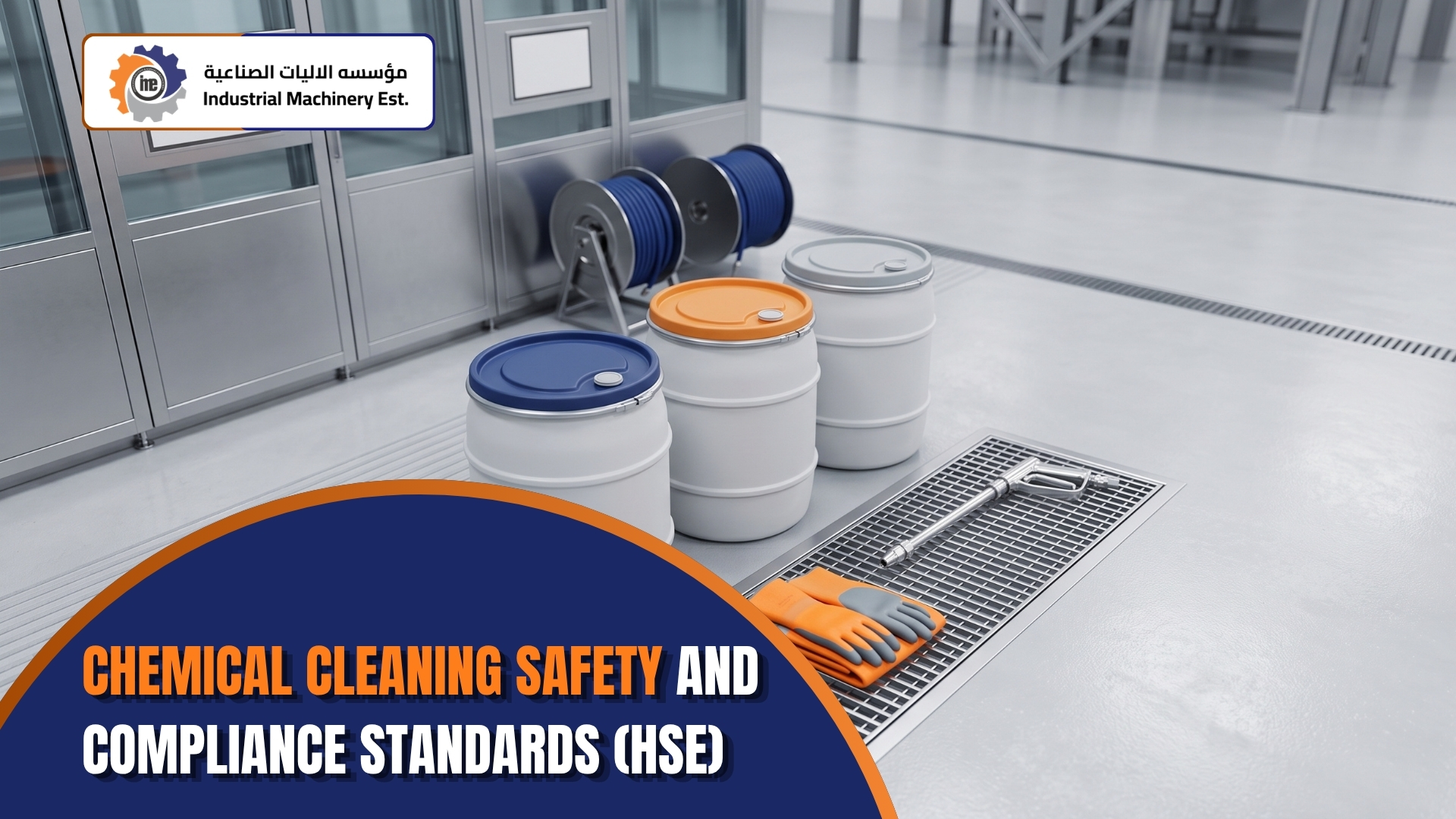
Personal protective equipment must match the product, not the habit. Standard coveralls are not enough when handling concentrated acid or caustic. Chemical resistant suits, face shields, goggles, gauntlet gloves, and appropriate respiratory protection are the baseline for decanting, dosing, and sampling.
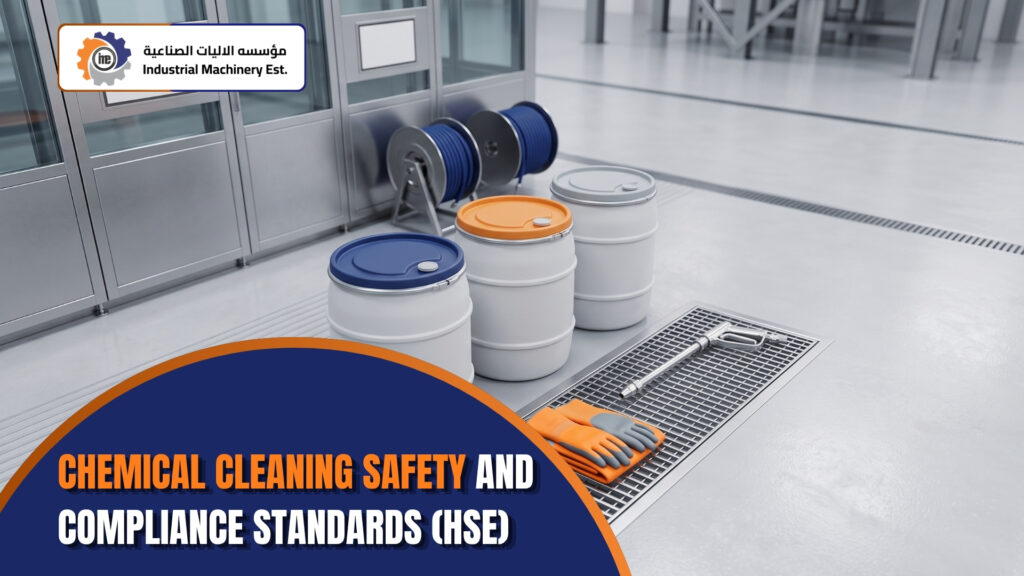
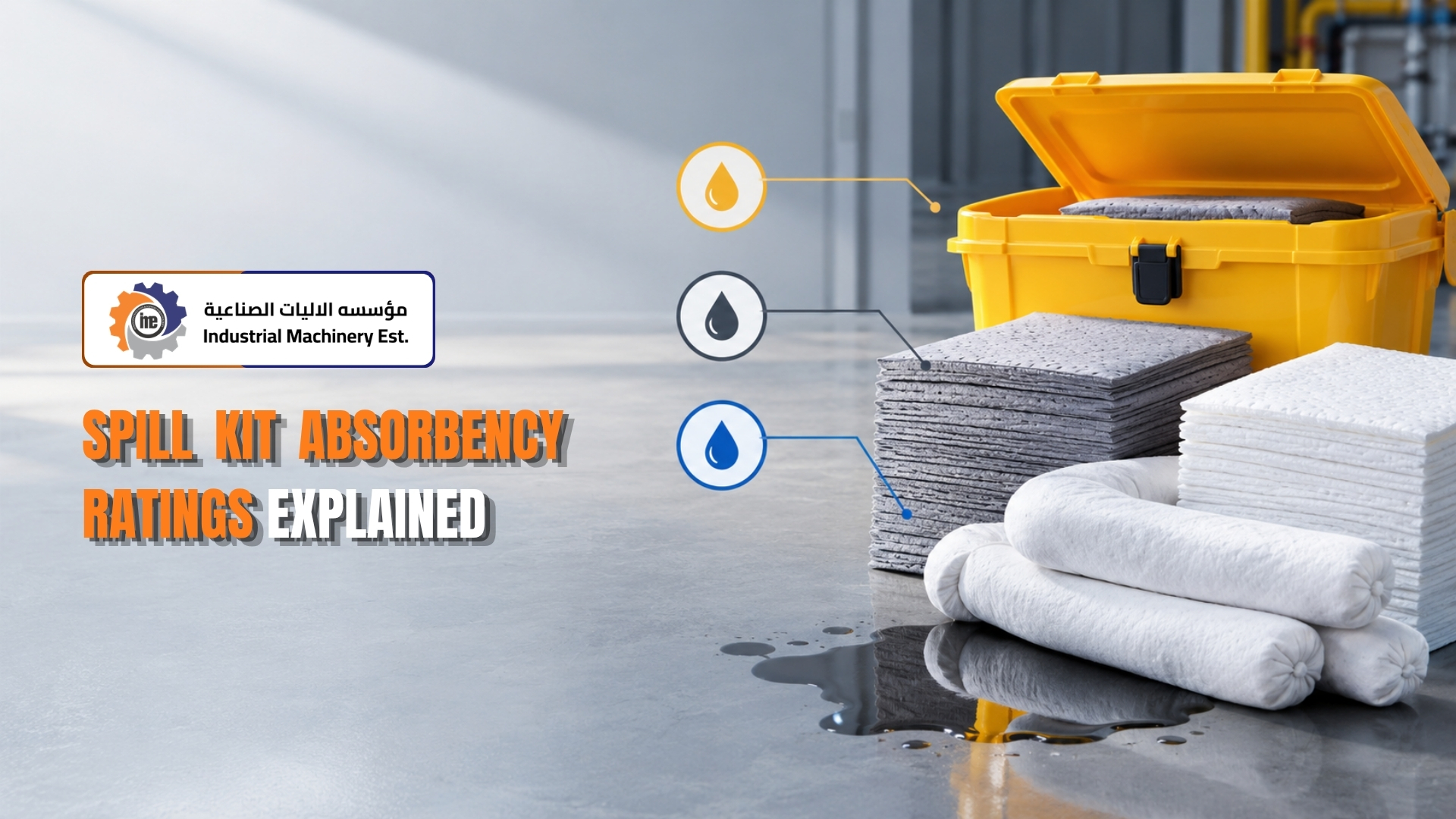
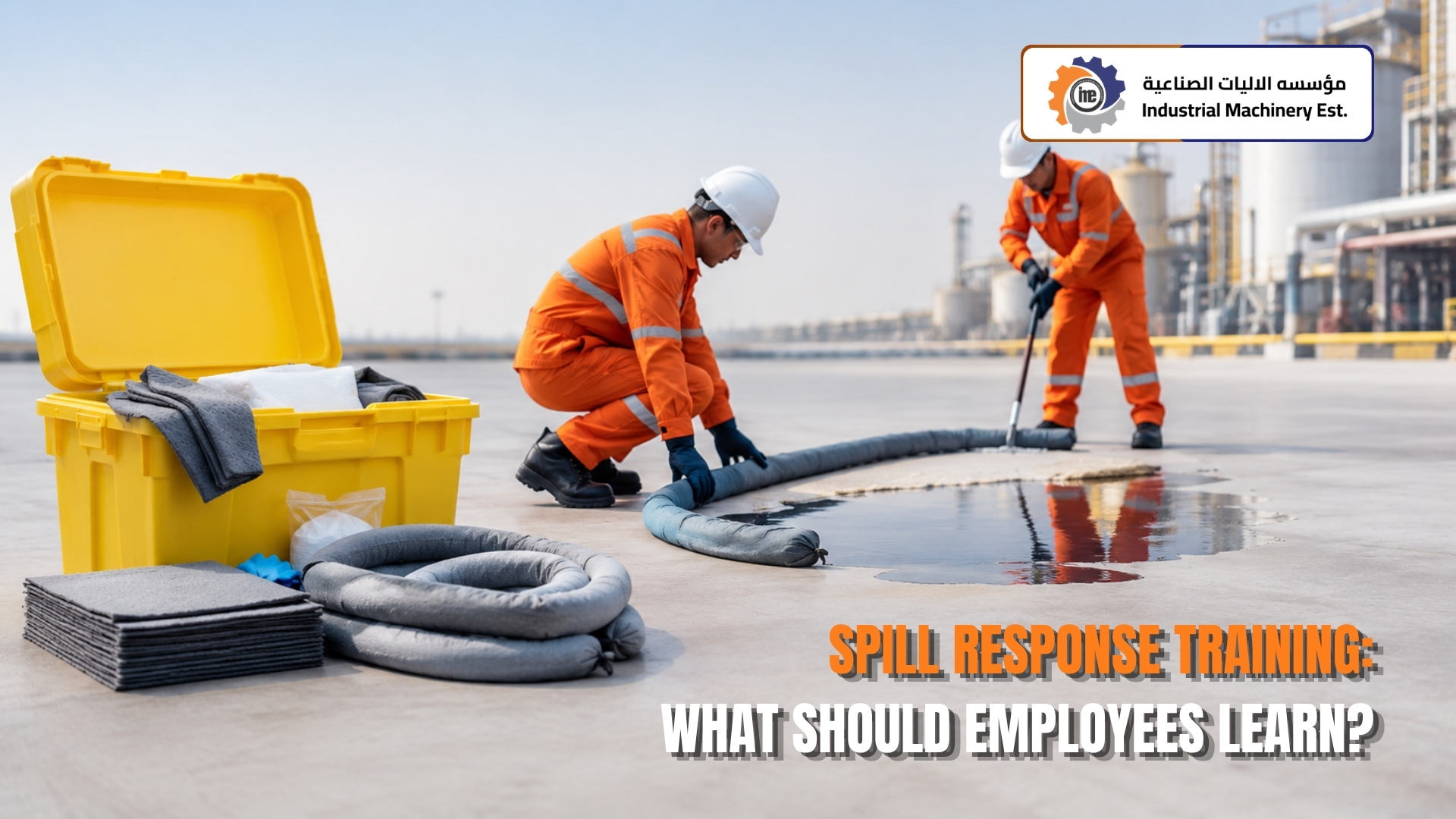
Equally important is the emergency response side. Eyewash stations and safety showers should be tested and positioned close to the work area, and every crew member should know the fifteen minute flush rule for skin or eye contact. Spill kits, neutralising agents, and containment trays belong on site before the first drum is opened.
Isolation, Confined Space, and Atmosphere Control
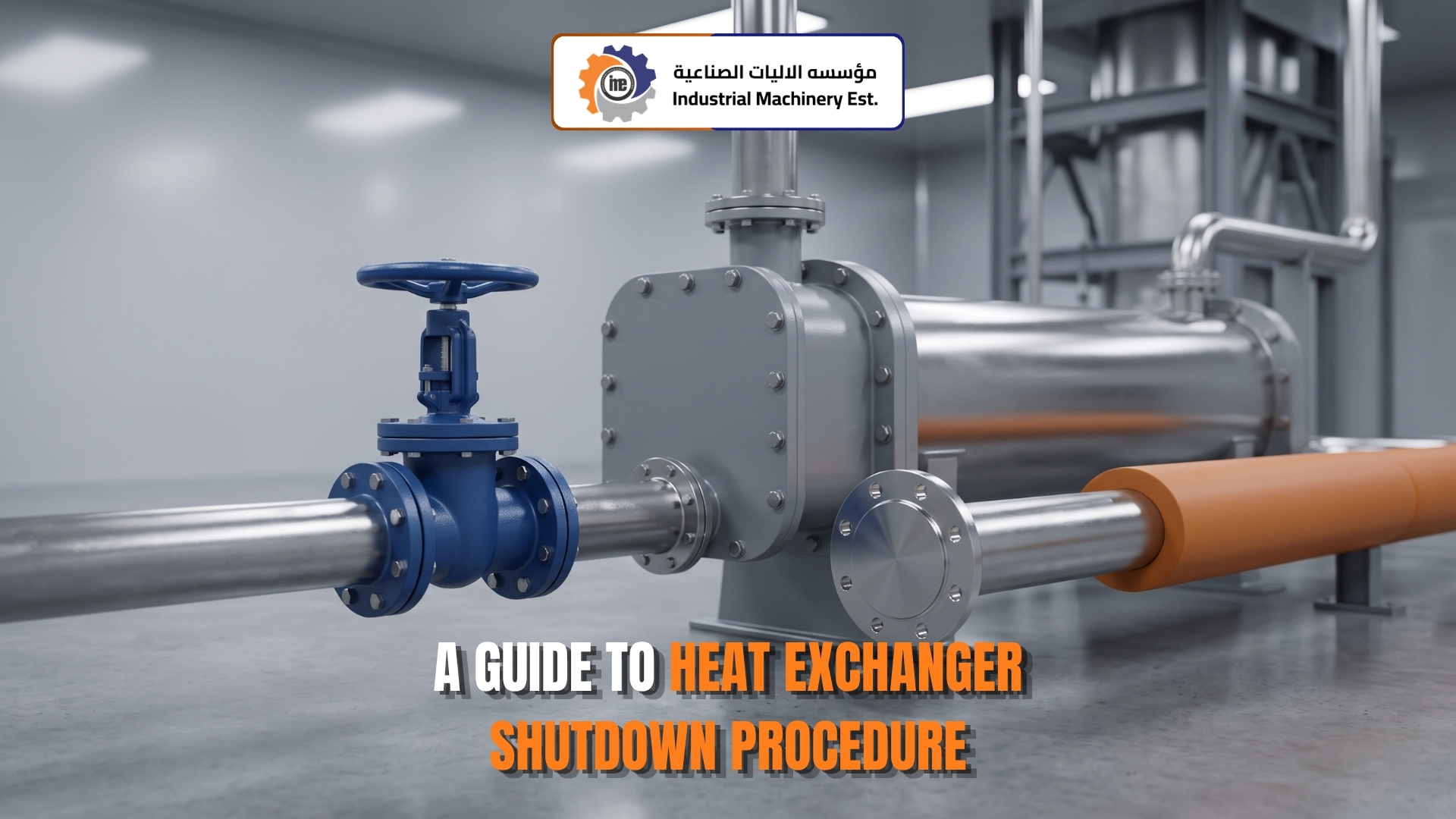
Positive isolation is non negotiable. Blinds, spades, or double block and bleed arrangements should be verified physically, and all connected equipment locked and tagged out. Draining, flushing, and cooling the system below safe entry temperature comes next.
Where entry is required, atmospheric testing for oxygen, LEL, hydrogen sulphide, and carbon monoxide must be continuous, not a single reading at the gate. A trained standby man stays outside the opening at all times. This is where chemical cleaning safety and confined space compliance overlap most closely.
Waste Neutralisation and Environmental Duty
Spent chemical does not disappear when the job ends. It must be collected at the point of generation, neutralised to an agreed pH, sampled, and sent to an approved disposal facility with proper manifests. Discharging to plant drains is one of the fastest ways to turn a routine outage into a regulatory case.
Training, Records, and Verification
Certificates alone prove little. Toolbox talks before each shift, refresher training, and clear supervision keep chemical cleaning safety alive during the job rather than only in the file. Logs of chemical quantities, temperatures, circulation hours, and disposal records complete the picture for any audit.
Before awarding work, ask the contractor for: training records, the SDS folder, past incident statistics, client HSE approvals, and a sample cleaning procedure from a similar scope.