Rising fuel bills, falling heat transfer rates, and unplanned shutdowns are problems every oil and gas facility knows too well. The hidden culprit is usually fouling: layers of scale, wax, asphaltene, rust, and hydrocarbon sludge that build up quietly inside heat exchangers, pipelines, boilers, and process vessels. Once deposits form, equipment works harder, consumes more energy, and produces less. Many plants respond with emergency repairs that cost far more than prevention ever would.
Chemical cleaning offers a proven way out of this cycle. It restores equipment to near-original performance without dismantling entire systems or relying on aggressive manual methods. In this article, you will learn how Chemical cleaning improves efficiency process works, why it directly improves operational efficiency in oil and gas facilities, which equipment benefits most, and how to plan a safe and effective cleaning program.
What Is Chemical Cleaning in Oil & Gas?
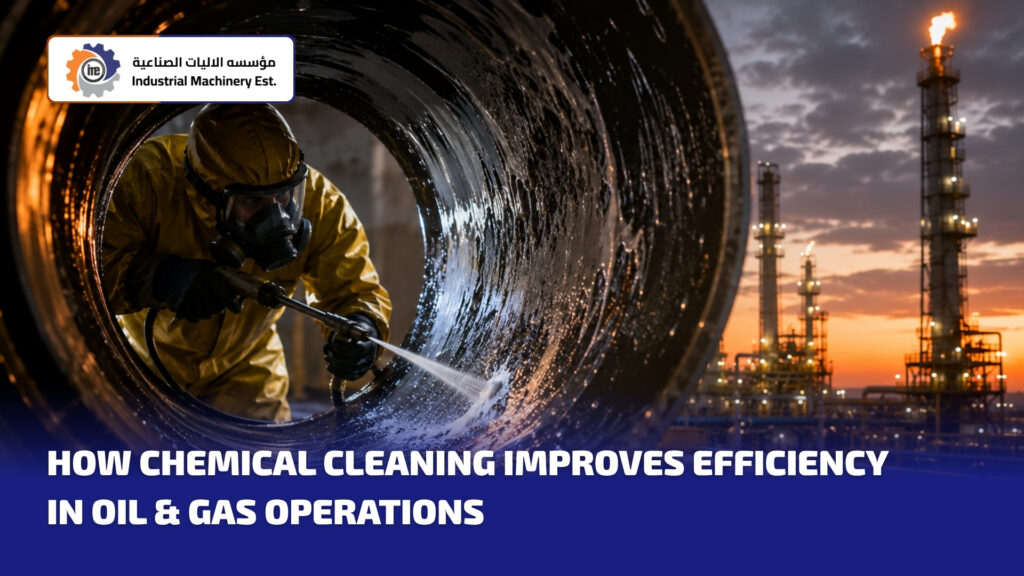
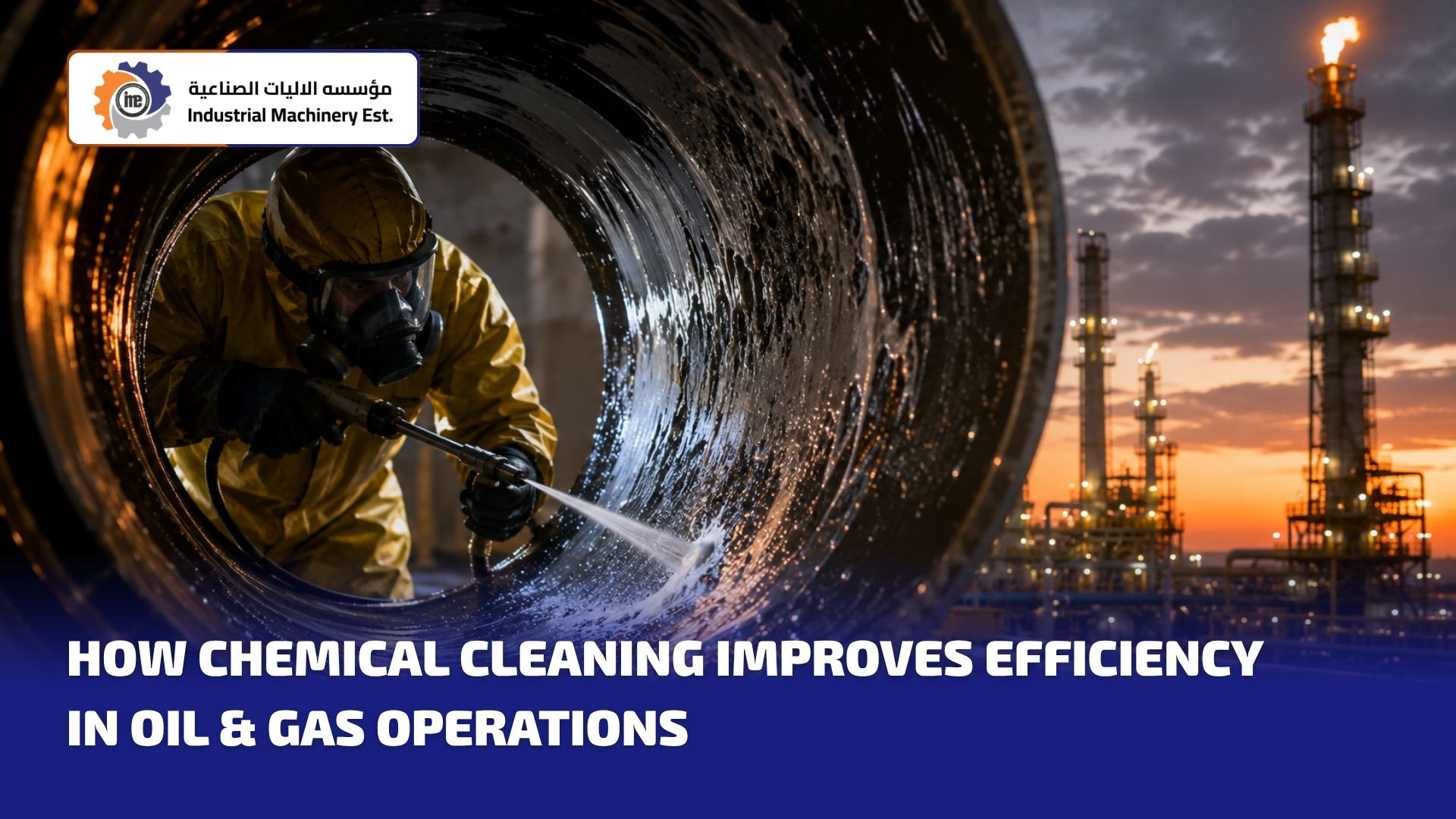
Chemical cleaning is a specialized maintenance process that uses engineered chemical solutions to dissolve and remove deposits from industrial equipment. Instead of scraping or blasting surfaces, carefully selected chemicals break down contaminants at the molecular level and flush them out of the system.
In oil and gas operations, chemical cleaning targets deposits such as mineral scale, rust, corrosion products, wax, asphaltene, and hydrocarbon fouling. Solutions are matched to both the deposit type and the metallurgy of the equipment, which protects sensitive surfaces while delivering deep cleaning results.
Why Fouling Kills Efficiency
Fouling is not just a cleanliness issue. It is a direct financial drain. Even a thin layer of scale inside a heat exchanger acts as insulation, cutting heat transfer and forcing the system to burn more fuel to reach the same output.
The typical consequences of fouling include:
- Higher energy consumption as pumps and burners work against restricted flow
- Reduced throughput caused by blocked tubes and narrowed pipelines
- Accelerated corrosion because deposits trap moisture against metal surfaces
- Unplanned downtime when fouled equipment finally fails
- Product quality issues from contamination in the process stream
Left unmanaged, these problems compound. That is why regular chemical cleaning is now treated as a core reliability strategy rather than an optional maintenance task.
How Chemical Cleaning Improves Operational Efficiency
1. Restores Heat Transfer Performance
Heat exchangers, boilers, and furnaces depend on clean surfaces to move heat efficiently. Chemical cleaning Improves Efficiency removes scale and fouling from both internal and external surfaces, restoring heat transfer rates and lowering fuel consumption almost immediately after the job is complete.
2. Improves Flow and Throughput
Pipelines and process lines fouled with wax or sludge restrict flow and increase pumping pressure. A well-designed chemical cleaning program clears these deposits fully, allowing systems to run at design capacity again and reducing the load on pumps and compressors.
3. Reduces Shutdown Duration
Compared with fully mechanical approaches, chemical cleaning can dramatically shorten turnaround time because it treats entire circuits in place. Industry experience shows that chemical cleaning can cut shutdown cleaning time by half or more, and the resulting gain in plant availability often offsets the entire cost of the service.
4. Extends Equipment Lifespan
Deposits accelerate corrosion and metal fatigue. By removing them on a planned schedule, chemical cleaning improves efficiency slows degradation, protects asset integrity, and delays expensive replacements of exchangers, columns, and piping.
5. Supports Safety and Compliance
Clean systems run at stable pressures and temperatures, which reduces the risk of leaks, ruptures, and emissions incidents. Chemical cleaning also prepares equipment for inspection, welding, and commissioning by delivering surfaces that meet strict acceptance criteria.
Equipment That Benefits Most from Chemical Cleaning
Chemical cleaning delivers measurable efficiency gains across a wide range of oil and gas assets, including:
- Heat exchangers and fin fans
- Boilers, furnaces, and reformer tubes
- Pipelines and flowlines
- Distillation columns and reactors
- Storage tanks and separators
- Compressors and cooling water systems
Each asset type requires a tailored chemistry, temperature, and circulation plan, which is why working with an experienced chemical cleaning provider matters.
Also Read: A Guide to Reactor and Column Chemical Cleaning
Best Practices for an Effective Chemical Cleaning Program
A successful project follows a structured approach:
- Deposit analysis to identify what is fouling the system
- Chemistry selection matched to deposits and metallurgy
- Controlled circulation at the right temperature and concentration
- Continuous monitoring of cleaning progress and solution strength
- Neutralization and safe disposal of spent solutions
- Post-cleaning inspection to verify results
Following these steps ensures the cleaning is thorough, safe for personnel, and gentle on equipment.
Trusted Chemical Cleaning Experts in Saudi Arabia
For facilities across the Kingdom, Industrial Machinery Est. stands out as one of the best industrial chemical cleaning providers in Saudi Arabia. With complete industrial support solutions and decades of hands-on experience, the company serves some of the top Saudi companies nationwide across the oil and gas, petrochemical, refining, and power sectors. Its teams deliver safe, fully managed chemical cleaning projects designed around each plant’s operating needs.
Final Thoughts
Fouling will always form inside busy oil and gas systems, but it does not have to control your performance. A planned chemical cleaning improves efficiency and program restores efficiency, cuts energy costs, shortens shutdowns, and protects equipment for years to come. Partnering with proven specialists like Industrial Machinery Est. turns cleaning from a reactive expense into a reliable driver of operational efficiency.