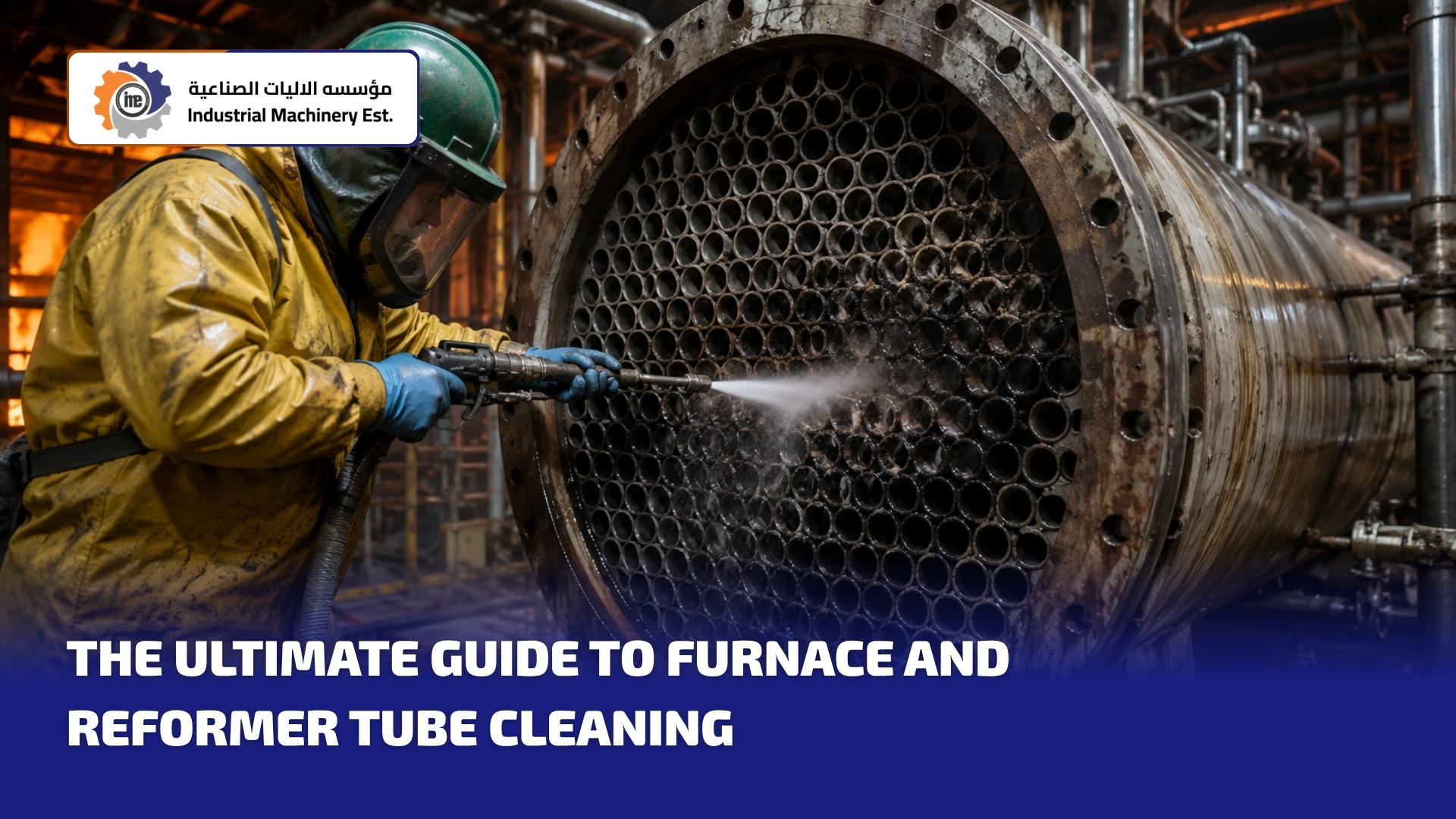
Coke. It is the silent enemy inside every fired heater and steam reformer. A thin, carbon-rich layer creeps along the inner tube walls, and before long your furnace is burning more fuel, running hotter, and losing throughput. Left unchecked, that buildup leads to hot spots, tube failures, and unplanned shutdowns that cost a fortune in lost production. If your stack temperatures are climbing and your fuel bill keeps rising, your tubes are probably telling you something. The good news is that proper furnace and reformer tube cleaning restores heat transfer, cuts fuel use, and extends equipment life. This detailed guide breaks down why deposits form, the main cleaning methods used across the industry, how to choose the right one, and how to keep your assets running at peak efficiency.
Why Tube Fouling Happens
Furnace and reformer tubes operate under brutal conditions, processing hydrocarbons at high temperatures and pressures. Over time, carbon-rich coke deposits form on the inner walls as a natural byproduct of cracking. These hardened layers act like insulation, blocking heat from reaching the process fluid. As a result, operators must fire harder to hit target temperatures, which only accelerates the damage and shortens tube life.
The consequences go beyond wasted energy. Coke buildup increases pressure drop across the tubes, reduces flow, and creates dangerous hot spots. In severe cases, carbon enters the tube alloy itself, triggering carburization that weakens the metal. This is why regular furnace and reformer tube cleaning is not optional. It is a core part of any reliable maintenance plan for refineries and petrochemical plants.
The Main Furnace and Reformer Tube Cleaning Methods
There is no single best approach. The right technique depends on the type of deposit, tube geometry, and how much downtime you can afford. Below are the most widely used methods for furnace and reformer tube cleaning across the industry.
1. Mechanical Decoking (Pigging)
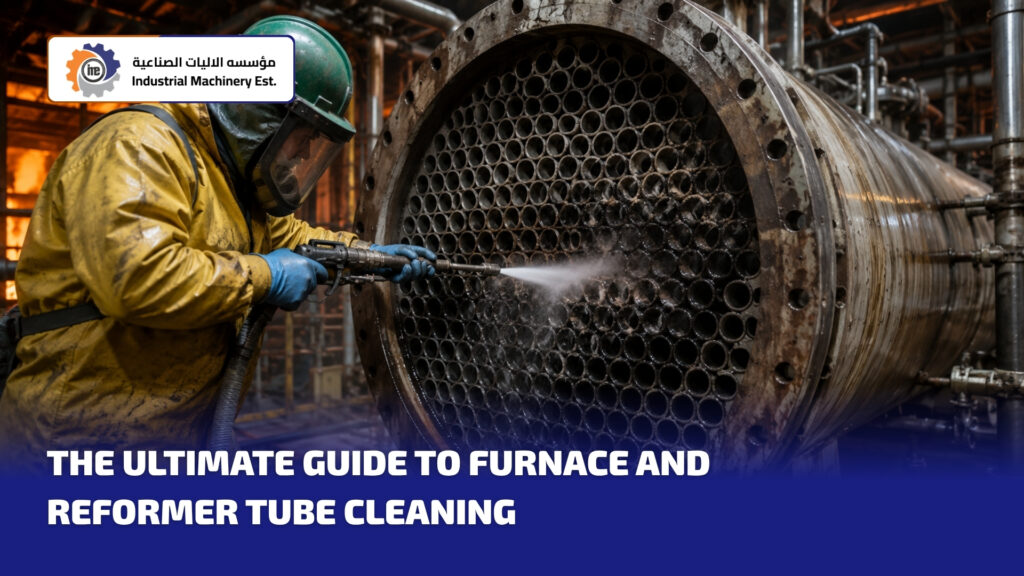
This method uses specialized scraper tools, often called pigs, driven through the tubes by water pressure. As the pigs travel, they physically break apart and remove the coke layer from the tube wall. Mechanical cleaning is fast, non-destructive, and restores heat transfer efficiently. Smart pigs can also collect data on internal tube condition, helping teams spot corrosion and wear before they become failures.
2. Chemical Cleaning
Chemical cleaning circulates a cleaning solution, usually an acid-based formula, through the tubes until the coke softens and dissolves. The system is then flushed with water to remove all loosened deposits. This approach reaches areas mechanical tools cannot, but water chloride content must be controlled carefully to avoid corrosion. Spent chemicals also require safe disposal, making process control essential.
3. Steam-Air Decoking
Here, a controlled mix of steam and air is fed through the tubes while the coke is gradually burned off. The air ratio starts low and increases slowly to prevent overheating. It is a proven method but demands tight temperature management to protect the tubes.
4. Thermal Spalling
Spalling uses sudden temperature changes to crack coke loose. The furnace is cooled, then high-pressure steam or water is injected. The rapid expansion and contraction causes the deposits to flake off. It works well in radiant sections but has limited effect in convection areas.
Choosing the Right Cleaning Strategy
Selecting a method comes down to a few key factors. Consider the deposit type, the tube layout, environmental rules, and your turnaround schedule. Heavy coke in long reformer coils often suits mechanical or chemical methods, while convection sections may need robotic lances to reach deep between tube rows. A combined approach frequently delivers the best result.
Equally important is timing. Scheduled furnace and reformer tube cleaning during planned turnarounds prevents the surprise shutdowns that drain profits. Pairing cleaning with inspection, such as laser or video assessment of tube wall thickness, lets teams target only the tubes that need attention and plan replacements wisely.
Also Read: A Guide to Chemical Cleaning Methods for Industrial Equipment
Benefits of Regular Tube Cleaning
The payoff from consistent furnace and reformer tube cleaning is significant. Clean tubes transfer heat far more efficiently, which means lower fuel consumption and reduced emissions. Many operators report meaningful gains in thermal efficiency after a thorough clean.
There are reliability benefits too. Removing deposits prevents overheating and tube failure, extending the lifespan of expensive equipment. By building cleaning into a preventative maintenance schedule, plants avoid emergency repairs, hold output steady, and protect worker safety.
Best Practices for Long-Term Performance
To get the most from your cleaning program, keep these points in mind:
- Monitor key signals such as rising stack temperatures, growing pressure drop, and increasing fuel use.
- Inspect before and after cleaning to confirm results and guide future planning.
- Match the method to the deposit rather than relying on one technique for every situation.
- Work with experienced specialists who understand tube metallurgy and safe procedures.
Trust the Industrial Cleaning Experts
When it comes to professional furnace and reformer tube cleaning, Industrial Machinery Est. stands out as the best industrial chemical cleaning provider in Saudi Arabia. With complete industrial support solutions and a proven track record, the company serves some of the top Saudi companies nationwide across the petrochemical, oil and gas, refining, and power sectors. Their team combines deep technical expertise with field-tested methods to restore your furnaces and reformers to peak performance safely and efficiently.
Keeping your tubes clean is one of the smartest investments you can make. It lowers costs, boosts efficiency, and keeps your operations running without costly interruptions. Make furnace and reformer tube cleaning a regular part of your maintenance plan, and your equipment will reward you with reliable, efficient service for years to come.