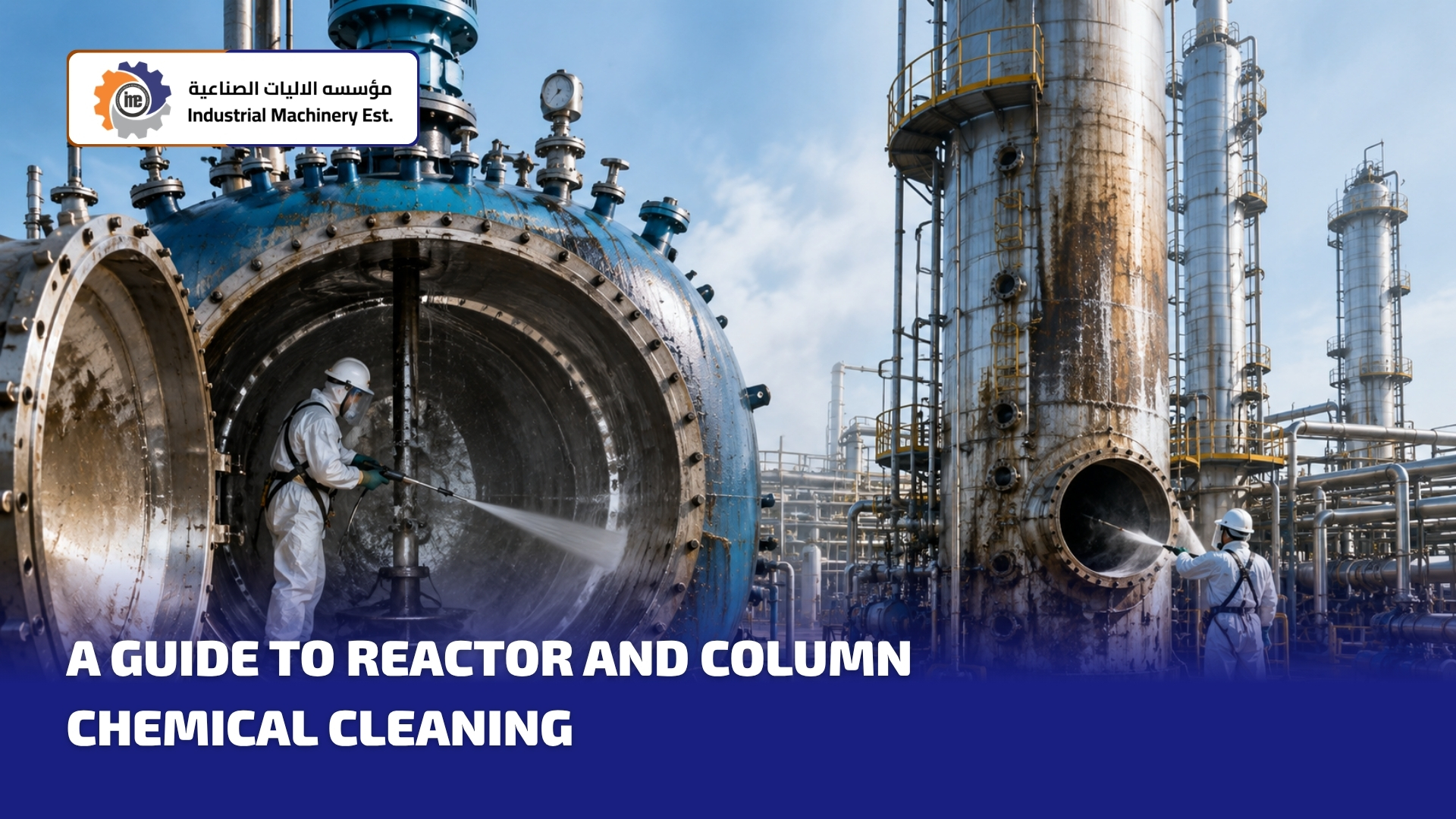
Fouled reactors and columns quietly drain profits long before anyone notices. Product quality drifts, pressure drop climbs, throughput falls, and shutdowns stretch days longer than planned because deposits refuse to come off. Manual scraping and water jetting alone often cannot reach internal trays, packing, and catalyst beds, and opening a vessel full of hydrocarbons, H2S, or pyrophoric material puts workers at serious risk.
This is exactly the problem that reactor and column chemical cleaning solves. By circulating engineered chemical solutions through the equipment, plants can dissolve stubborn deposits, decontaminate hazardous residues, and return vessels to service faster and safer than mechanical methods allow.
In this guide, you will learn what reactor and column chemical cleaning involves, the common types of fouling, the step by step cleaning process, the chemicals used, and the safety practices that make every job successful.
What Is Reactor and Column Chemical Cleaning?
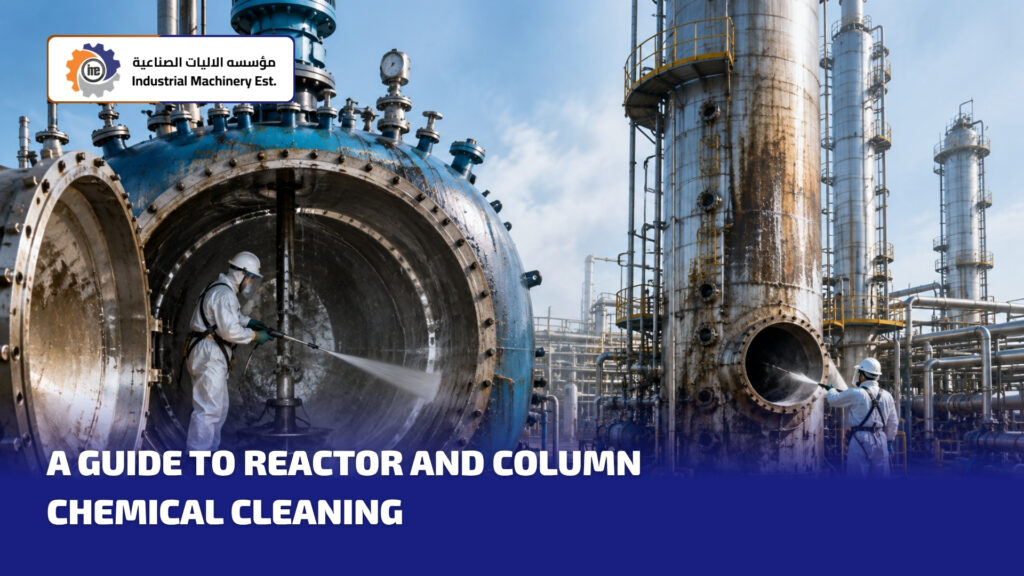
Reactor and column chemical cleaning is the process of removing fouling, scale, polymer buildup, and hazardous residues from process vessels using specially selected chemical solutions. Instead of relying only on scraping or high pressure water, the chemicals dissolve or loosen deposits so they can be flushed out safely.
This method is widely used in refineries, petrochemical plants, and chemical processing facilities. Reactors, distillation columns, strippers, and absorbers all develop deposits over time, and chemical cleaning restores their internal surfaces without damaging the metal underneath.
Why Reactors and Columns Get Fouled
Every process vessel operates under heat, pressure, and continuous chemical reactions. Over months of service, these conditions cause deposits to form on walls, trays, packing, and catalyst beds. Common fouling types include:
- Polymer buildup from polymerization reactions sticking to reactor walls
- Coke and heavy hydrocarbons baked onto hot surfaces
- Scale deposits such as iron sulfide, carbonates, and oxides
- Catalyst fines and residues trapped inside reactor beds
- Hazardous residues like H2S, benzene, and pyrophoric iron sulfide
Left untreated, this fouling reduces heat transfer, restricts flow, contaminates products, and creates dangerous conditions during vessel entry.
Key Benefits of Chemical Cleaning for Reactors and Columns
A well planned chemical cleaning program delivers measurable results for plant operations. The main benefits include:
- Shorter shutdown time, since chemical cleaning works faster than manual cleaning of internals
- Safer vessel entry, because decontamination removes LEL, H2S, and benzene before workers go inside
- Complete coverage, as circulating chemicals reach trays, packing, and dead spots that tools cannot
- Restored performance, with better heat transfer, flow, and product purity
- Reduced labor and exposure, since less manual scraping is needed
The Reactor and Column Chemical Cleaning Process
Chemical cleaning of reactors and columns follows a structured sequence. Each stage matters, and skipping steps leads to poor results or safety incidents.
1. Inspection and Deposit Analysis
The cleaning team first studies the vessel, its service history, and the deposit type. A sample of the fouling is often analyzed in a lab so the right chemical solution can be selected. Cleaning coke requires a very different chemistry than cleaning carbonate scale.
2. Chemical Selection
Based on the analysis, engineers choose the cleaning chemistry. Common options include:
- Alkaline solutions for oils, greases, and organic residues
- Acid solutions such as inhibited hydrochloric or citric acid for mineral scale and rust
- Solvents and emulsifiers for heavy hydrocarbons, polymers, and waxes
- Oxidizing agents for neutralizing pyrophoric iron sulfide
- Degassing chemistries for removing H2S, benzene, and LEL vapors
Corrosion inhibitors are always added to protect the metal during acid cleaning.
3. Circulation and Soaking
The chemical solution is circulated through the reactor or column using temporary pumps, hoses, and heaters. Temperature, flow rate, and concentration are monitored throughout. For columns, the solution is distributed across trays and packing to ensure full wetting. Circulation continues until testing shows the deposits are dissolved.
4. Rinsing and Neutralization
After cleaning, the vessel is flushed with water to remove all chemical residues. Acidic solutions are neutralized before disposal, and spent fluids are handled according to environmental regulations.
5. Passivation and Inspection
For carbon steel equipment, a passivation step forms a protective layer that prevents flash rusting. A final inspection, often with gas testing and visual checks, confirms the reactor or column is clean and safe for entry or startup.
Safety Considerations During Chemical Cleaning
Safety is the foundation of every reactor and column chemical cleaning project. Vessels often contain toxic gases, flammable vapors, and pyrophoric materials that can ignite when exposed to air. Key safety practices include:
- Continuous gas monitoring for LEL, H2S, and benzene
- Proper PPE and chemical handling procedures for the cleaning crew
- Controlled disposal of spent cleaning solutions
- Strict isolation, lockout, and confined space entry procedures
Working with an experienced chemical cleaning contractor ensures these controls are built into the job plan from day one.
Also Read: The Difference Between Condenser, Reboiler And Interchanger Maintenance
When Should You Schedule Chemical Cleaning?
Watch for these warning signs in your reactors and columns:
- Rising pressure drop across the vessel
- Declining product quality or yield
- Reduced heat transfer efficiency
- Longer than normal decontamination during shutdowns
Cleaning during planned turnarounds is always cheaper than an emergency shutdown caused by severe fouling.
Final Thoughts
Reactor and column chemical cleaning is one of the most effective ways to restore process performance, shorten turnarounds, and protect workers from hazardous residues. With the right deposit analysis, chemistry selection, and safety controls, plants can keep their most critical vessels running at full capacity year after year. If your reactors or columns are showing signs of fouling, partner with a qualified industrial chemical cleaning provider and schedule an assessment before small deposits become expensive problems.