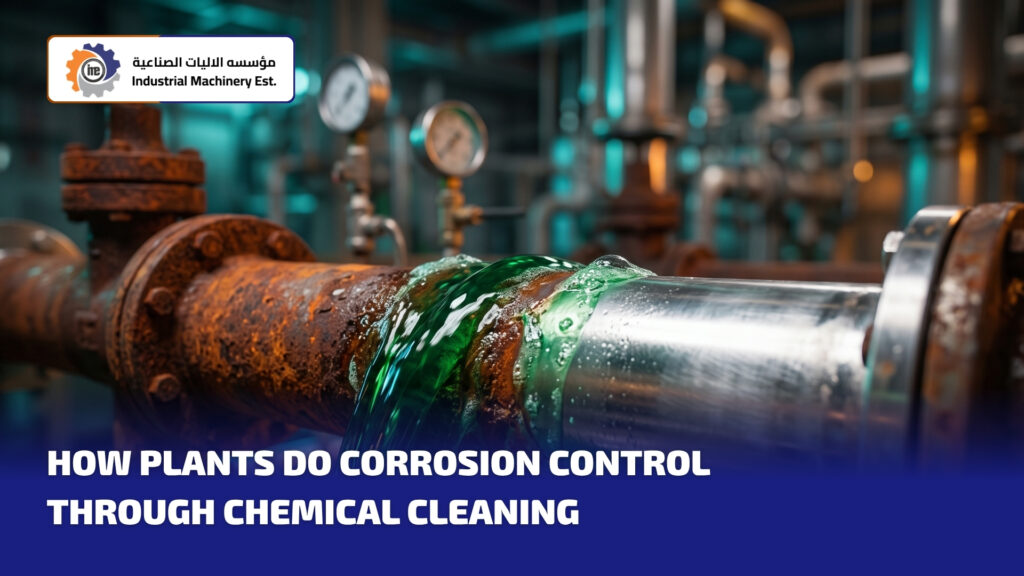
Every year, plants lose millions of riyals to a problem they often cannot even see. Corrosion works silently inside boilers, heat exchangers, pipelines, and reactors. It hides under layers of scale and sludge, thinning metal walls until a tube leaks or a vessel fails during peak production.
Maintenance teams then face unplanned shutdowns, emergency repairs, safety risks, and angry production managers, all at the same time. The frustrating part is that most of this damage starts with deposits that could have been removed long before they caused trouble.
This is exactly where corrosion control through chemical cleaning proves its value. In this article, you will learn how industrial plants use chemical cleaning as a practical corrosion control method, which cleaning techniques work best, and how a well-planned cleaning program protects your equipment, your budget, and your people.
Why Corrosion Is a Silent Threat in Industrial Plants
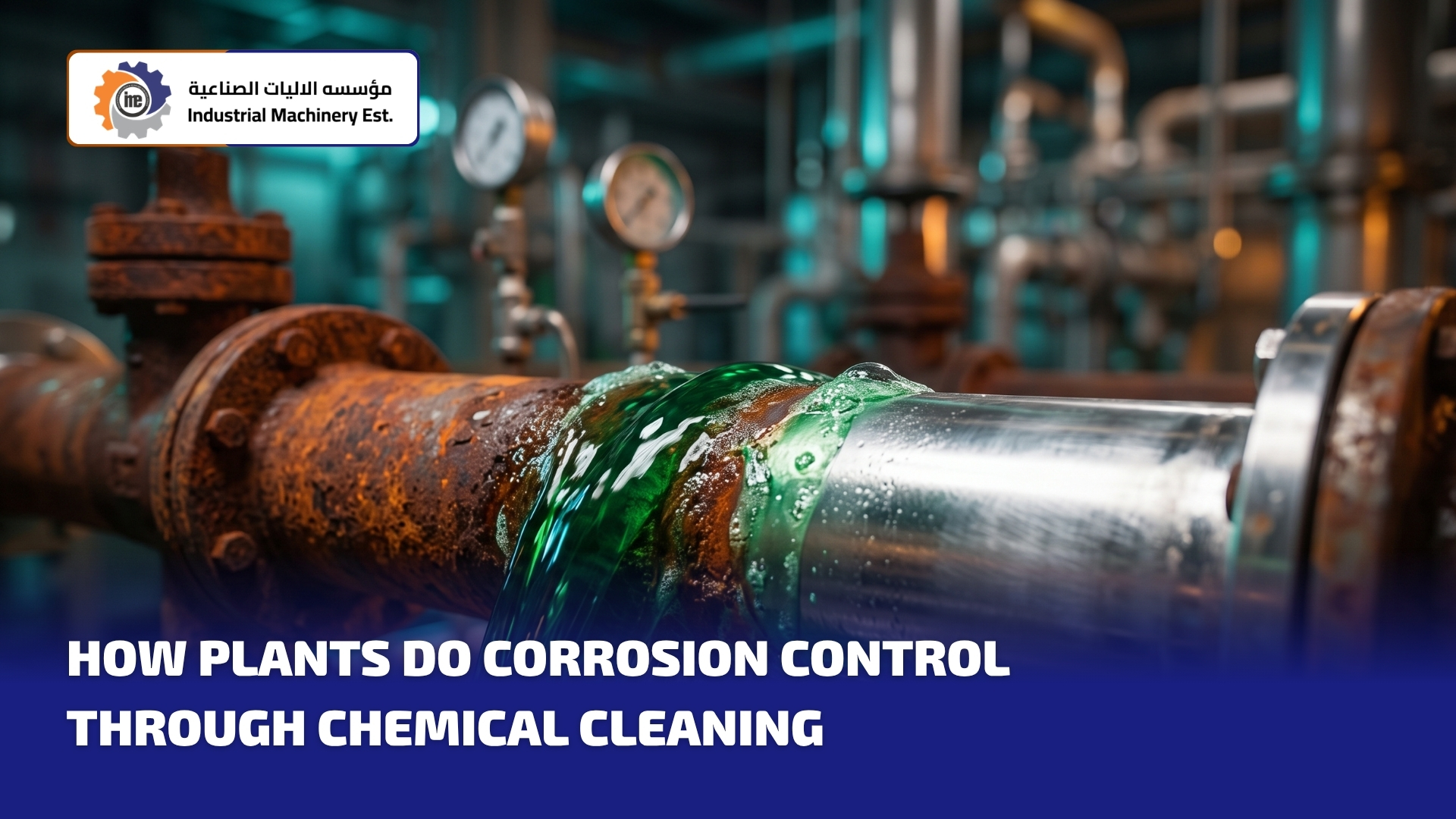
Corrosion is a natural reaction between metal and its environment. Water, oxygen, acids, salts, and heat all speed it up. Inside process equipment, deposits like scale, rust, and sludge trap moisture and corrosive agents against the metal surface. This creates under-deposit corrosion, one of the most damaging forms of attack in plants and a top target for corrosion control teams.
The real danger is that this corrosion stays hidden. From the outside, a boiler or heat exchanger may look fine while its tubes are quietly losing thickness. Without proper corrosion control, the first warning sign is often a leak, a tube rupture, or a costly failure during operation.
How Chemical Cleaning Supports Corrosion Control
Chemical cleaning is the process of circulating specially formulated solutions through equipment to dissolve and remove deposits. It reaches internal surfaces that mechanical tools cannot touch, which makes it a core part of any corrosion control program.
Here is how it helps with corrosion control:
- Removes corrosive deposits: Scale, rust, oil, and sludge that trap corrosive agents are dissolved and flushed out.
- Exposes hidden damage: Clean metal surfaces allow inspectors to detect pitting and wall thinning early.
- Prepares surfaces for protection: Corrosion inhibitors and passivation work only on clean metal.
- Restores efficiency: Clean heat transfer surfaces reduce hot spots that accelerate metal loss.
In short, chemical cleaning does not just clean equipment. It resets the surface so that every other corrosion control measure can actually work.
Chemical Cleaning Methods Plants Use for Corrosion Control
There is no single solution for every system. Plants select the cleaning method based on the deposit type, metallurgy, and operating conditions. The most common methods used for corrosion control include:
- Acid cleaning (pickling): Inhibited acids dissolve rust, mill scale, and mineral deposits from boilers, pipelines, and exchangers. The inhibitor protects the base metal while the acid attacks the deposit.
- Alkaline cleaning: Alkaline solutions remove oil, grease, and organic films that hold moisture against metal surfaces.
- Chelant cleaning: Chelating agents such as EDTA and citric acid bind with iron and copper ions, lifting hard scale gently from sensitive equipment.
- Solvent cleaning: Solvents dissolve hydrocarbon fouling in process units where water-based chemistry is not suitable.
- Passivation: After cleaning, a passivating solution forms a thin protective oxide layer that guards the fresh metal against flash rusting.
Each method plays a different role, but together they form a complete corrosion control cycle: remove the deposit, protect the metal, and return the system to service safely.
The Critical Role of Passivation and Inhibitors
Freshly cleaned steel is highly active and can rust within hours if left exposed. That is why professional corrosion control never ends at the rinse stage. Passivation builds a uniform oxide film, usually magnetite on carbon steel, that shields the surface from oxygen and moisture.
Corrosion inhibitors are equally important during the cleaning itself. They are blended into acid solutions to make sure the chemicals attack only the deposits, not the equipment. Skipping inhibitors or passivation turns a helpful cleaning job into a new corrosion problem, which is why experienced chemical cleaning contractors treat these steps as a mandatory part of corrosion control.
Signs Your Plant Needs Chemical Cleaning
Effective corrosion control depends on acting at the right time. Watch for these common indicators:
- Rising fuel or energy consumption in boilers and furnaces
- Reduced heat transfer or higher outlet temperatures in exchangers
- Pressure drops across pipelines and process circuits
- Visible rust, scale flakes, or discolored water in the system
- Frequent tube leaks or repeated minor repairs
If any of these appear, deposits are likely building up, and corrosion control measures should start before the damage spreads.
Also Read: What Is A Boiler Feedwater Treatment Company and How to Choose One?
Benefits of Corrosion Control Through Chemical Cleaning
A planned corrosion control program built around chemical cleaning delivers measurable results:
- Longer equipment life: Removing deposits stops under-deposit attack and slows metal loss.
- Fewer unplanned shutdowns: Early corrosion control prevents sudden leaks and failures.
- Lower operating costs: Clean surfaces improve heat transfer and cut fuel consumption.
- Safer operations: Reduced risk of ruptures, leaks, and hazardous releases.
- Better inspection results: Clean metal makes thickness testing and NDT far more accurate.
Final Thoughts
Corrosion never stops on its own, but plants that combine regular chemical cleaning with passivation and inhibitors achieve lasting corrosion control. Treat corrosion control as a scheduled program, not an emergency response. If your boilers, heat exchangers, or pipelines are showing signs of fouling, partner with a professional industrial chemical cleaning company and protect your assets before corrosion makes the decision for you.