Pipelines that once moved fluid at full capacity slowly start to choke. Flow rates drop, pump pressure climbs, energy bills rise, and inspection tools can no longer pass through the line. Behind these symptoms is a quiet buildup of grease, oil, mineral scale, and rust clinging to the inner walls.
Left untreated, this fouling reduces efficiency, triggers corrosion, and can even cause dangerous blockages or pipe failure. The frustrating part is that many facilities only react once production is already affected.
This article walks you through the complete process of degreasing and descaling industrial pipelines, explaining how it works, why each step matters, and how the right approach restores your system to peak performance while extending its working life.
Why Pipelines Need Degreasing and Descaling
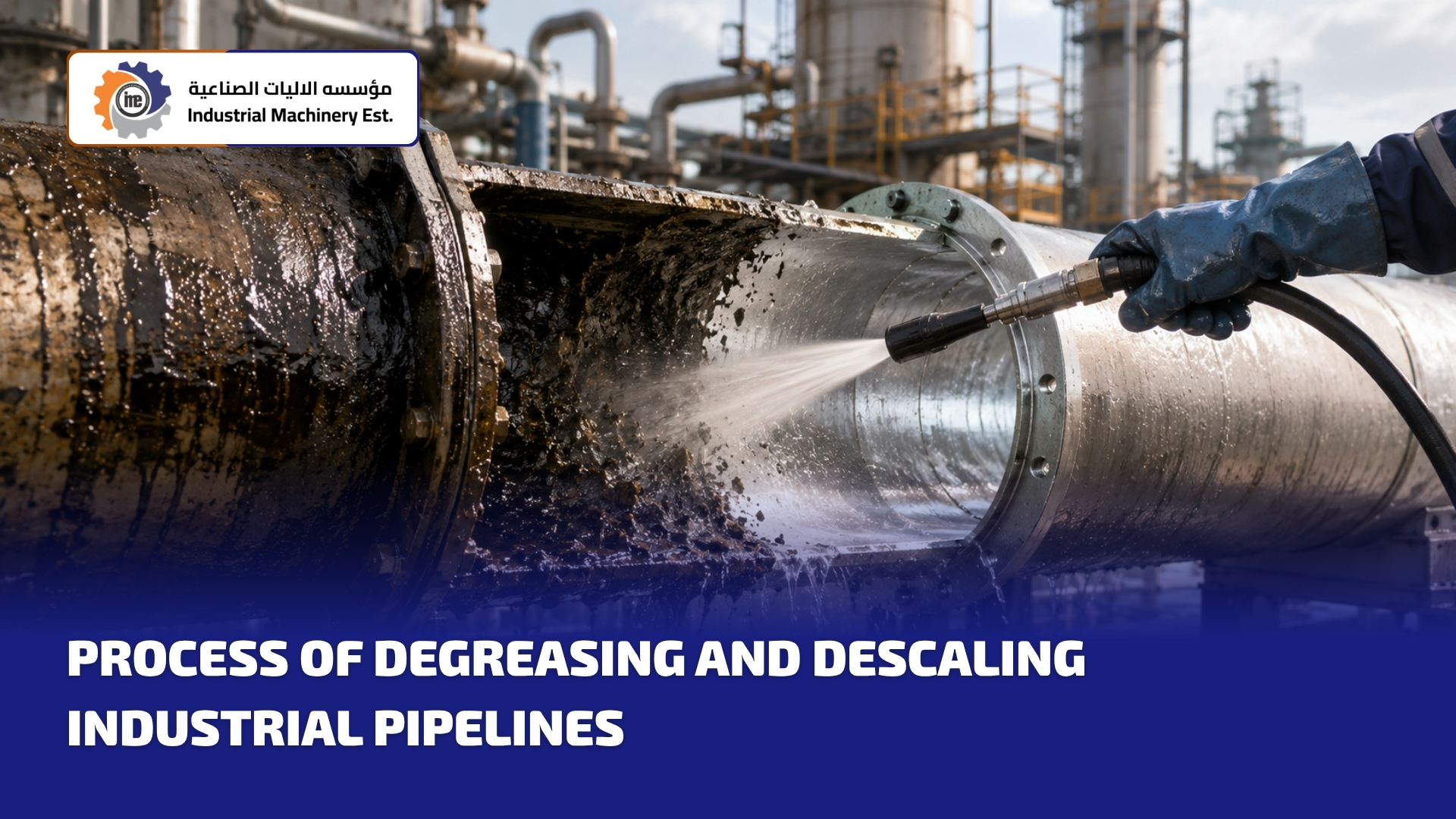
Over months of operation, pipelines collect two main types of buildup. Grease and oil form sticky layers, while mineral salts, calcium, rust, and other deposits harden into scale. Both restrict the inner diameter of the pipe, slowing the flow of fluids and forcing equipment to work harder. This buildup also traps moisture against the metal surface, which accelerates corrosion and weakens structural integrity over time.
The degreasing and descaling industrial pipelines process directly targets these problems. Degreasing removes oily and greasy films, while descaling breaks down hard mineral incrustations. Together they return the pipeline to a clean, smooth interior that supports proper flow and reliable performance across oil, gas, refining, and power operations.
Step 1: Inspection and Assessment
Every successful project starts with a thorough inspection. Technicians examine the pipeline to identify the type, thickness, and location of the buildup. Cameras, sensors, and flow tests help map out how severe the fouling is and which sections need the most attention.
This assessment is critical because it determines the cleaning method. A line with heavy tuberculation needs a different approach than one with light grease films. Skipping this step often leads to wasted chemicals, incomplete cleaning, or even damage to the pipe.
Step 2: Preparation and Isolation
Once the buildup is understood, the pipeline is prepared for treatment. This usually involves isolating the section, draining any remaining product, and flushing the line with water to remove loose debris. Certain valves or fittings may be disassembled to allow full access.
Safety planning happens here too. The surrounding area is cleared, containment is set up for collected waste, and the team confirms that all environmental and regulatory guidelines will be followed throughout the degreasing and descaling industrial pipelines operation.
Step 3: Choosing the Cleaning Method
There are several proven methods, and the best choice depends on the pipe and the deposit. The most common options include:
- Chemical cleaning: Specialized degreasers and descaling solutions are circulated through the line to dissolve grease, oil, and mineral scale. This is highly effective for hard deposits and complex pipe networks.
- Mechanical pigging: A solid device is pushed through the pipe to scrape away tough buildup, ideal for long or large-diameter lines.
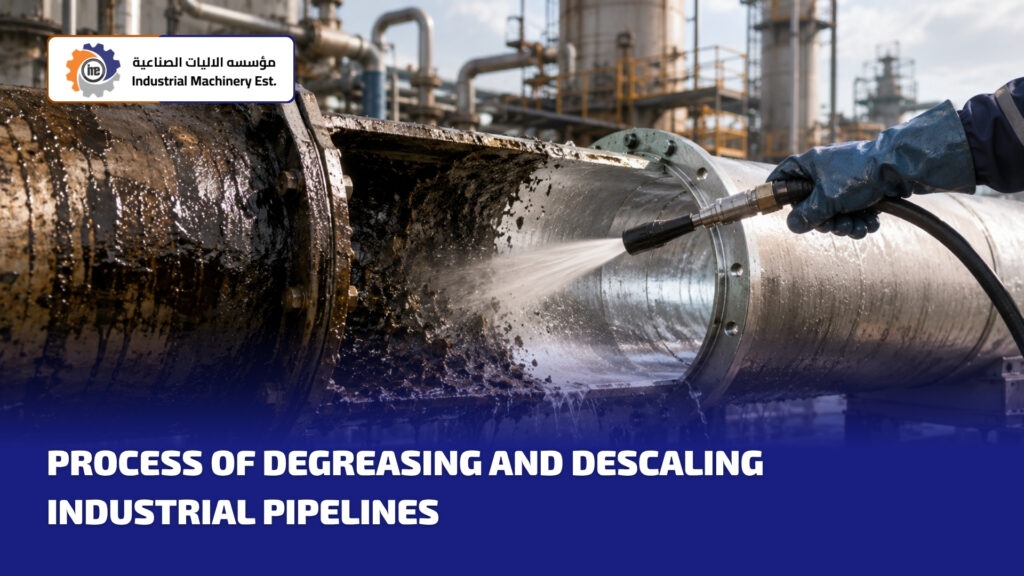
- High-pressure water jetting: Powerful water jets blast away scale and residue, often used alongside other methods.
- Rotary and scraping tools: These apply concentrated force to stubborn tuberculation without removing the pipe.
In many cases, a combination delivers the cleanest result. Experienced providers match the method to the situation rather than forcing one solution onto every job.
Step 4: The Cleaning Operation
With the method selected, the actual degreasing and descaling industrial pipelines work begins. In chemical cleaning, the degreasing agent is circulated first to strip oily films, followed by the descaling solution to dissolve mineral scale. Contact time, temperature, and flow are carefully controlled so the chemicals work effectively without harming the pipe metal.
Removed material is captured and disposed of responsibly. Throughout the operation, technicians monitor progress to confirm the deposits are loosening and the line is opening back up to its original capacity.
Step 5: Flushing, Neutralizing, and Drying
After cleaning, the pipeline is thoroughly flushed to remove all loosened debris and any leftover chemicals. This neutralizing stage is essential, since residual cleaning agents can cause future corrosion if they remain inside the pipe. The line is then dried to prepare it for service or for a protective coating.
Proper flushing protects both the pipeline and the product that will flow through it next. It is a step that careful operators never rush.
Step 6: Final Inspection and Prevention
A second inspection verifies the results. Cameras check the cleaned surface, and pressure tests confirm the pipeline is sound and ready for use. Flow rates are measured and compared against the original baseline to prove the cleaning worked.
Smart facilities also add a prevention plan. Scheduled maintenance, scale inhibitors, and protective coatings slow down future buildup, reducing how often intensive cleaning is needed and keeping the system efficient for longer.
Benefits of Regular Pipeline Cleaning
Routine degreasing and descaling delivers restored flow, lower energy costs, longer equipment life, fewer breakdowns, and safer operations. It also keeps pipelines open for inspection tools, helping you catch integrity issues early before they become expensive failures.
Your Trusted Industrial Cleaning Partner
When it comes to professional results, Industrial Machinery Est. stands out as one of the best industrial chemical cleaning providers in Saudi Arabia. With complete industrial support solutions and a track record of serving some of the top Saudi companies nationwide, IME combines technical expertise, proven methods, and strict safety standards to keep your pipelines running at full capacity. Clean pipelines are reliable pipelines. With the right process and the right partner, you protect your flow, your equipment, and your bottom line.
IME LinkedIn: https://www.linkedin.com/company/industrial-machinery-est/